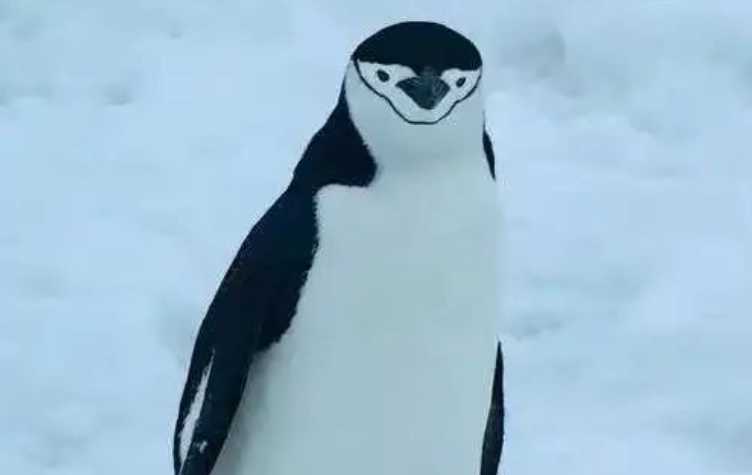
The Dapper "Gentlemen" of the Antarctic: Chinstrap PenguinsThe Dapper "Gentlemen" of the Antarctic: Chinstrap Penguins
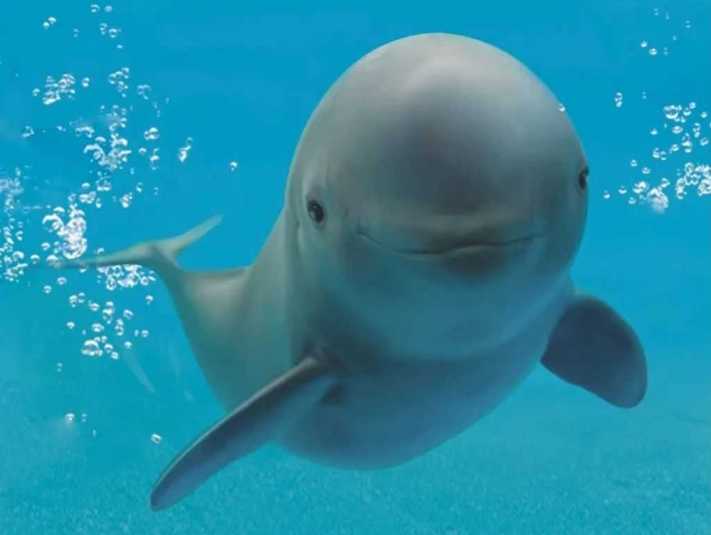
The "Giant Panda of the Water": Yangtze Finless PorpoisesThe "Giant Panda of the Water": Yangtze Finless Porpoises
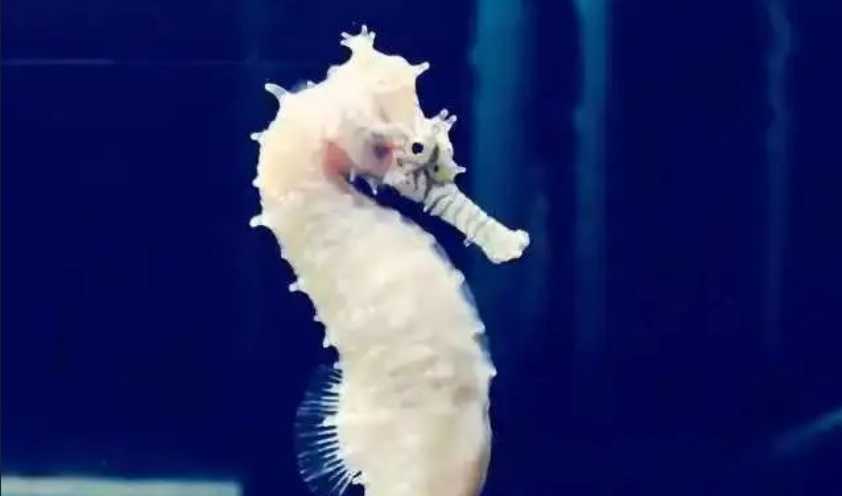
The Enchanting Sea Horses: Nature’s Miniature Marine MarvelsThe Enchanting Sea Horses: Nature’s Miniature Marine Marvels
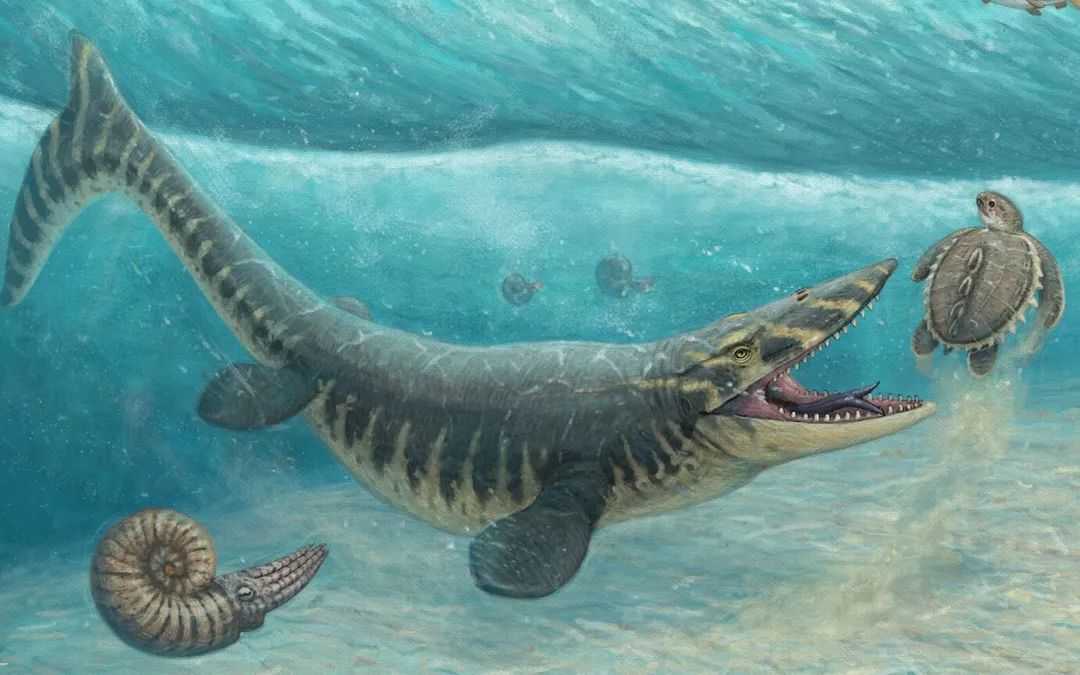
Tylosaurus: The Colossal Marine Reptile of the Cretaceous SeasTylosaurus: The Colossal Marine Reptile of the Cretaceous SeasDominating the oceans approximately 70 million years ago during the Cretaceous period, Tylosaurus stood as a fearsome apex predator and one of the largest members of the mosasaur family. Stretching an imposing 14.5 meters in length, this marine reptile combined the sleek agility of a modern-day shark with the raw power of a prehistoric giant, ruling the ancient seas with unmatched ferocity.
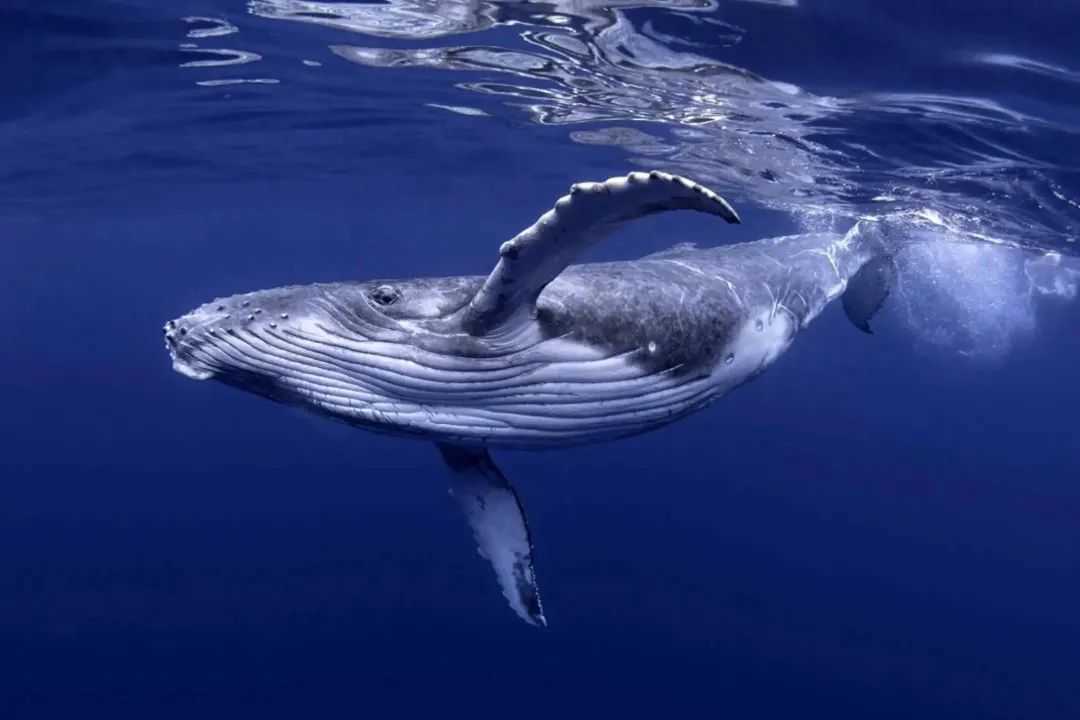
The Magnificent Humpback Whale: Gentle Giants of the OceanThe Magnificent Humpback Whale: Gentle Giants of the OceanReaching up to 15 meters in length, humpback whales (Megaptera novaeangliae) are among the most iconic and awe-inspiring creatures in Earth’s oceans. Often speculated to be the inspiration behind the mythical "Kun" — a giant fish-like creature from ancient Chinese legends — these marine mammals command attention with their massive size and distinctive appearance. When floating at the surface, their barnacle-covered skin and rugged features give them the guise of a drifting island, a sight that blends majesty with a touch of primal mystery.
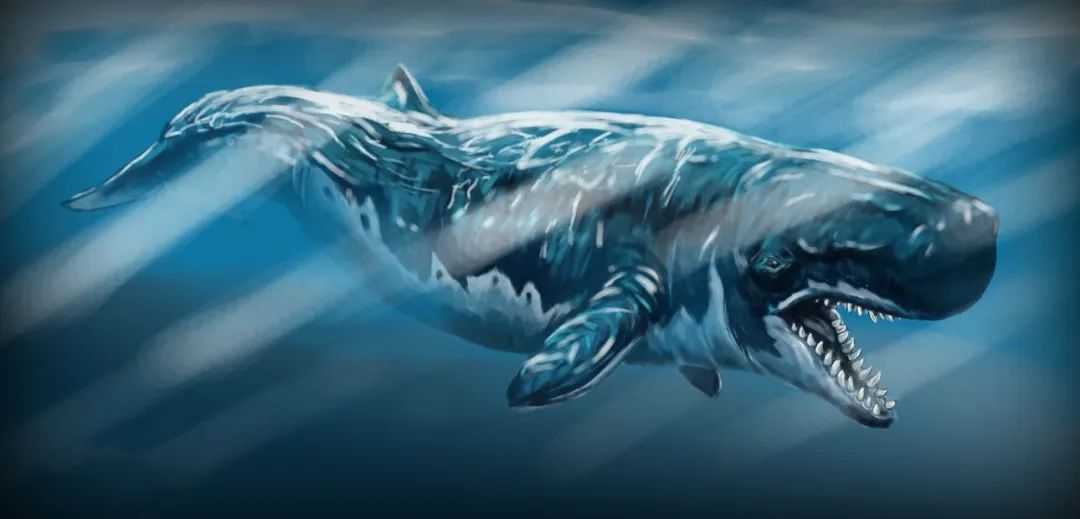
Livyatan melvillei: The Prehistoric Sea Predator That Ruled the OceansLivyatan melvillei: The Prehistoric Sea Predator That Ruled the OceansMeasuring up to 17 meters in length, Livyatan melvillei, a close relative of modern sperm whales, roamed the oceans around 13 million years ago. With a body shape reminiscent of its contemporary kin, this ancient marine mammal may have looked somewhat familiar, but its predatory habits set it apart as a fearsome force in the prehistoric seas.
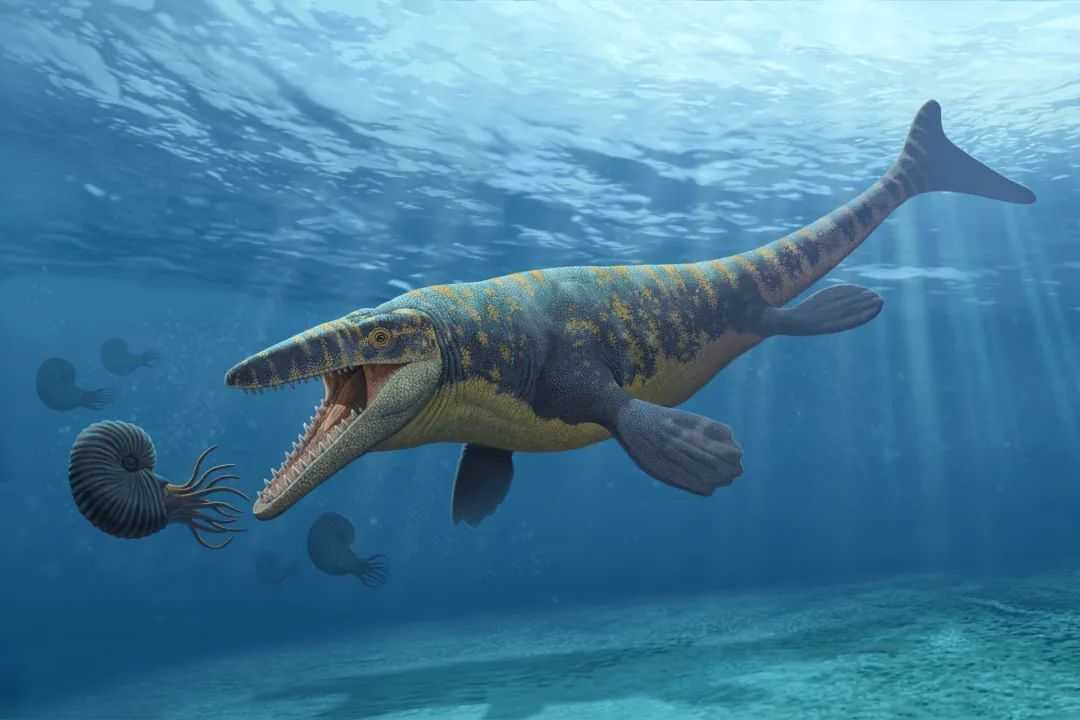
Mosasaurus: The Reptilian Tyrant That Conquered Cretaceous SeasMosasaurus: The Reptilian Tyrant That Conquered Cretaceous SeasDominating the oceans during the late Cretaceous period, Mosasaurus stood as a fearsome marine reptile, measuring over 17 meters in length and reigning as the undisputed apex predator of its time. Unlike modern marine creatures, this colossal beast traced its evolutionary roots to small, land-dwelling lizards, a transformation that culminated in one of the most successful oceanic conquests in prehistory.
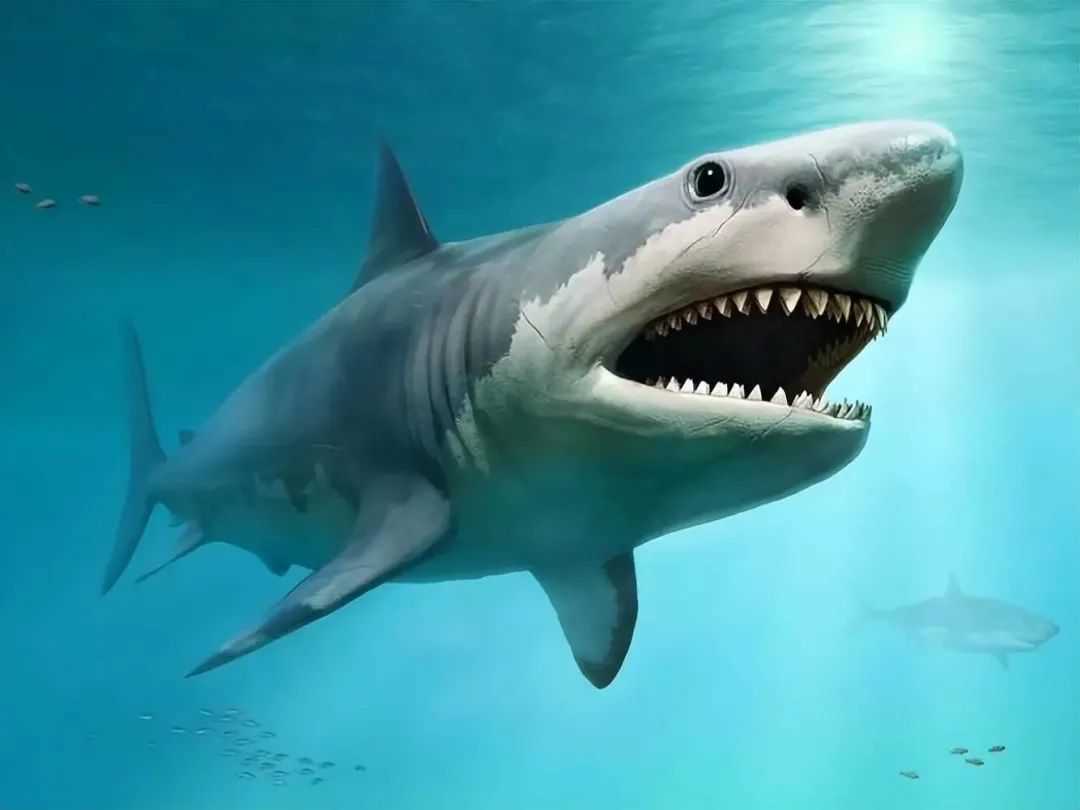
Megalodon: The Unmatched Apex Predator of Prehistoric SeasMegalodon: The Unmatched Apex Predator of Prehistoric SeasStretching over 18 meters in length, Megalodon (Carcharocles megalodon) ruled the oceans alongside Livyatan melvillei approximately 23 to 3.6 million years ago. Renowned as the creature with the most powerful bite force ever recorded—exceeding 30 tons—this colossal shark dwarfed even its massive whale counterpart in size and weight, solidifying its status as the ultimate marine predator of its era.
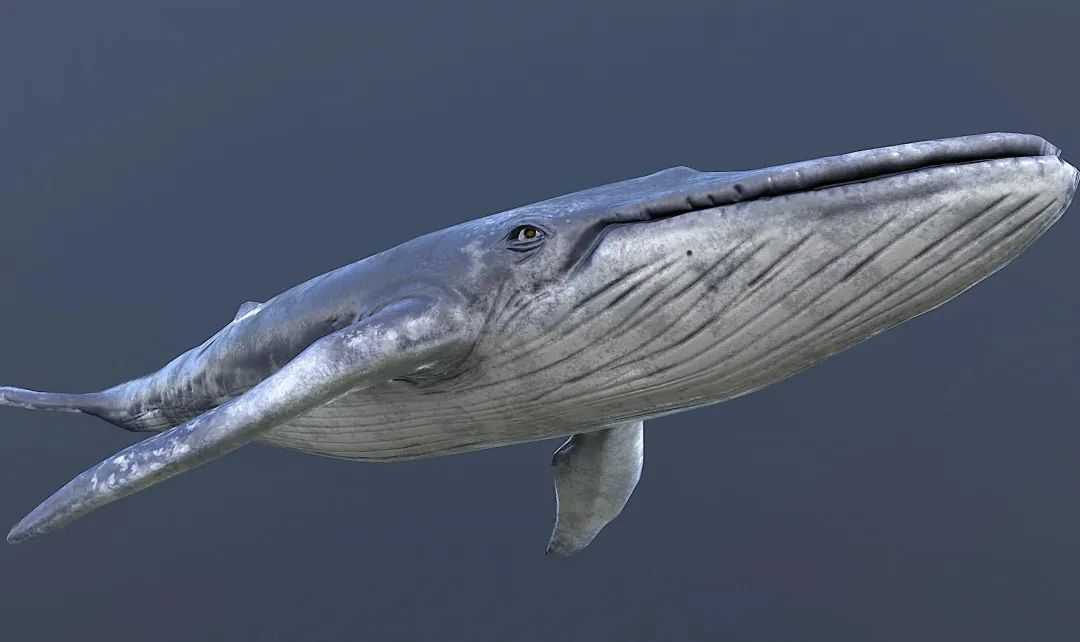
Blue Whales: The Gentle Titans of the OceanBlue Whales: The Gentle Titans of the OceanRegarded by many as Earth’s largest ever living creatures, blue whales (Balaenoptera musculus) awe with their sheer size. Adult individuals typically measure around 27 meters in length, with the largest recorded specimen exceeding 34 meters—roughly the length of five buses lined up side by side. Their tongues alone can weigh a staggering 2,000 kilograms, while newborn calves enter the world at 7 meters long and grow to 20 meters by age three, a growth spurt unmatched in the animal kingdom.
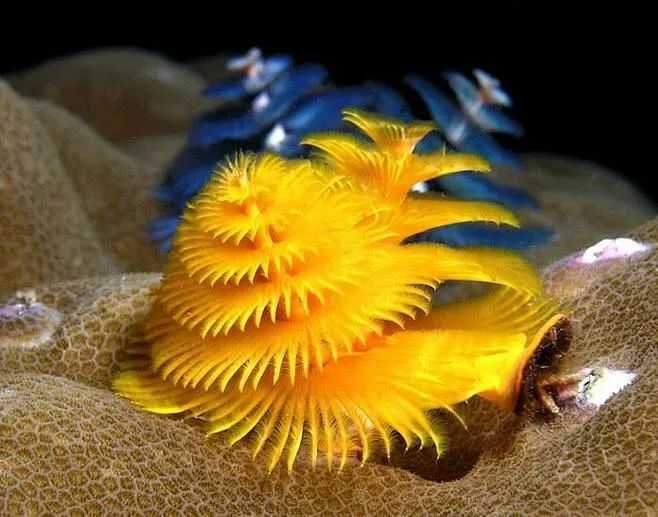
The Festive Wonders of the Reef: Christmas Tree WormsThe Festive Wonders of the Reef: Christmas Tree WormsContrary to their name, Christmas tree worms (Spirobranchus) are not corals but fascinating marine annelids that form symbiotic relationships with hard corals. These tube-dwelling polychaete worms, belonging to the phylum Annelida, are widely distributed in tropical oceans, where their vibrant, spiral-shaped structures add a touch of whimsy to coral reefs. Their common name stems from their striking resemblance to miniature, underwater Christmas trees.
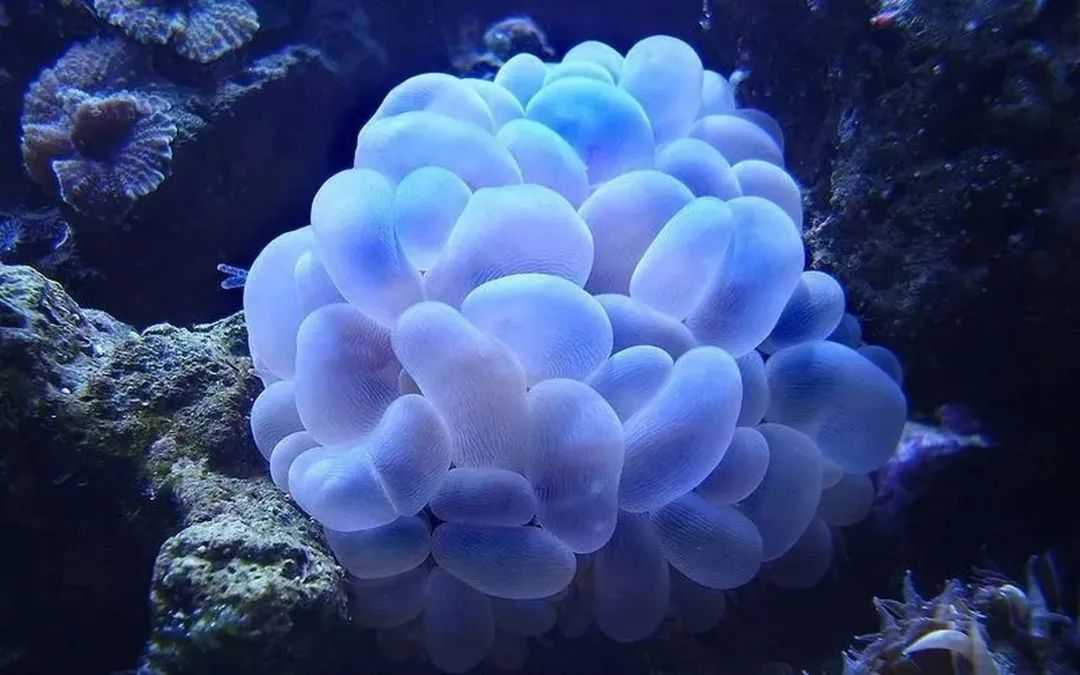
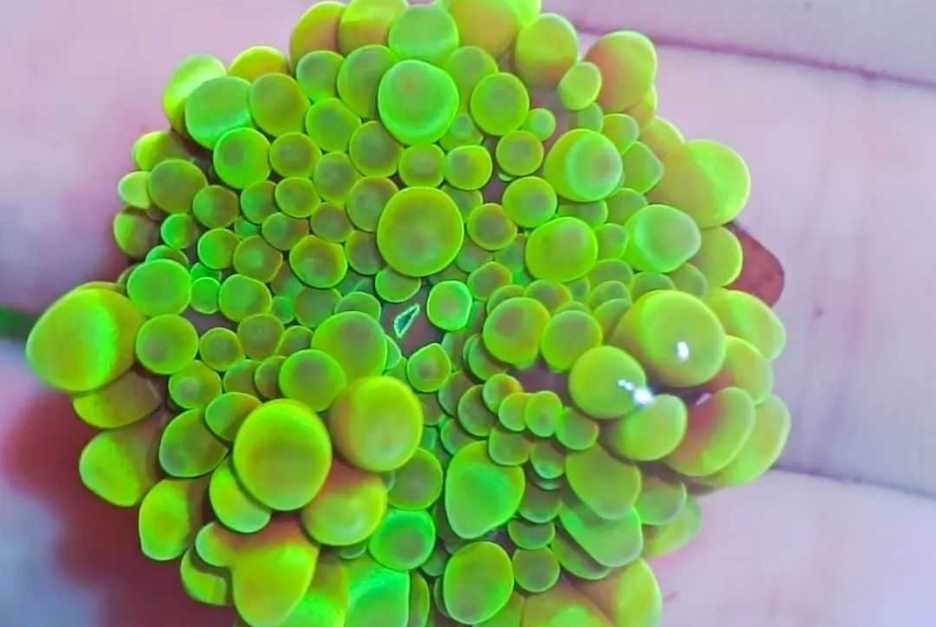
Bubble Coral: The Mesmerizing Marine Marvel with a Dual IdentityBubble Coral: The Mesmerizing Marine Marvel with a Dual IdentityPlerogyra sinuosa, commonly known as bubble coral, is a captivating soft coral species belonging to the order Scleractinia. Found primarily in the shallow waters—within 30 meters—along the coasts of the Pacific and Atlantic Oceans, as well as the Caribbean Sea, this coral species has earned its name from its unique appearance that transforms dramatically between day and night.
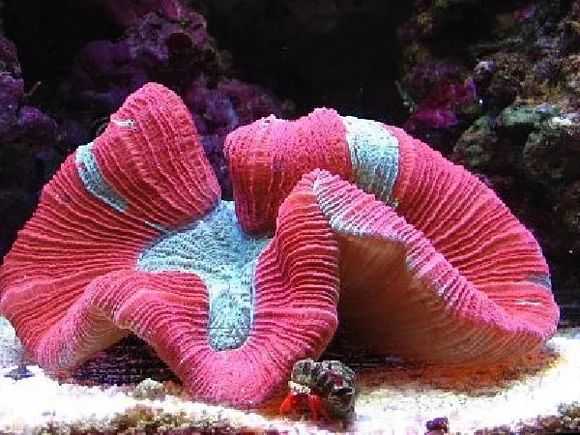
The Alluring Trachyphyllia Geoffroyi: Nature's Underwater ArtworkThe Alluring Trachyphyllia Geoffroyi: Nature's Underwater ArtworkTrachyphyllia geoffroyi, commonly known as the open brain coral or more distinctively, the eight - shaped brain coral, is a captivating species within the Merulinidae family of the class Anthozoa. Predominantly found in the shallow tropical seas of regions like Indonesia, in sandy areas or near reefs, this coral has earned its unique name due to the striking resemblance of its skeleton to the number "8".
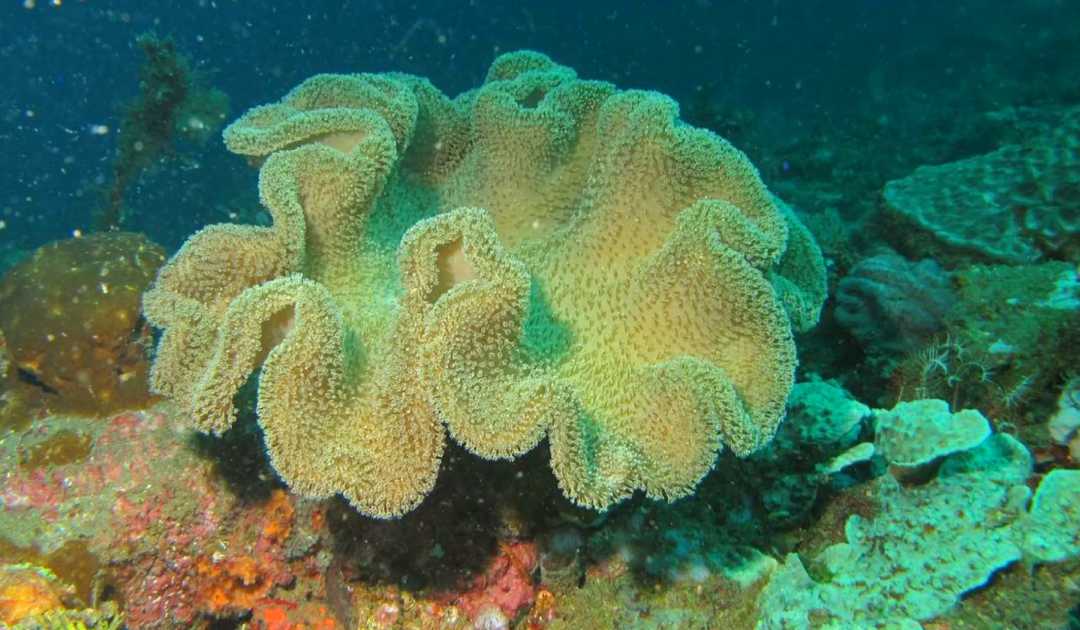
Sarcophyton: The Captivating Leather Mushroom Coral of the ReefsSarcophyton: The Captivating Leather Mushroom Coral of the ReefsSarcophyton, commonly known as the leather mushroom coral or fleshy soft coral, is a highly prized species in the soft coral family, celebrated for its striking appearance and popularity among aquarium enthusiasts. Thriving in tropical marine environments, this coral earns its nickname from its unique texture and shape: a short, robust trunk supports a top resembling a folded leather disk or undulating wave, evoking the look of a natural umbrella or sculpted fabric beneath the waves.
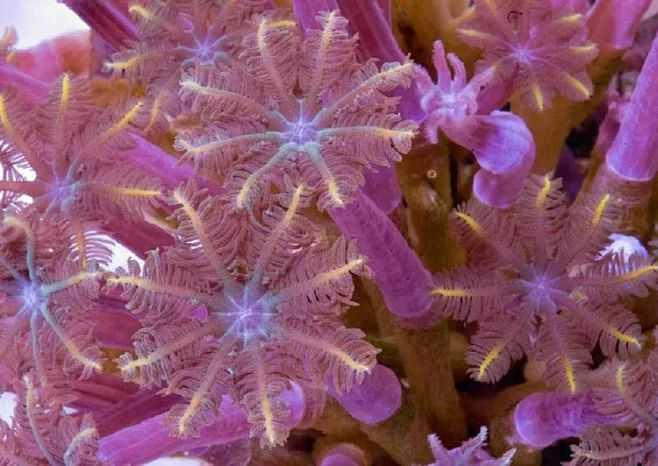
Clavularia spp.: The Alluring Gloves of the Ocean FloorClavularia spp.: The Alluring Gloves of the Ocean FloorClavularia spp., commonly known as glove polyps or gloved hydroids, are enchanting marine invertebrates belonging to the subclass Octocorallia. Revered in the aquarium trade for their stunning appearance and ease of care, these creatures add a touch of underwater elegance to both natural reefs and home aquariums. Their name stems from the unique shape of their extended tentacles, which resemble delicate gloves or blooming petals.
Trachyphyllia geoffroyi: The Living Underwater Masterpiece of the Indian-PacificTrachyphyllia geoffroyi: The Living Underwater Masterpiece of the Indian-PacificTrachyphyllia geoffroyi, a marine marvel within the order Scleractinia of the phylum Cnidaria, thrives in the reefs and sandy substrates of the Indian-Pacific Ocean. Capable of growing up to an astonishing 1.8 meters, this coral species captivates with its distinct appearance, earning its name from a striking resemblance to the intricate folds of the human brain. Its unique structure and vibrant hues make it a standout inhabitant of the ocean’s depths.
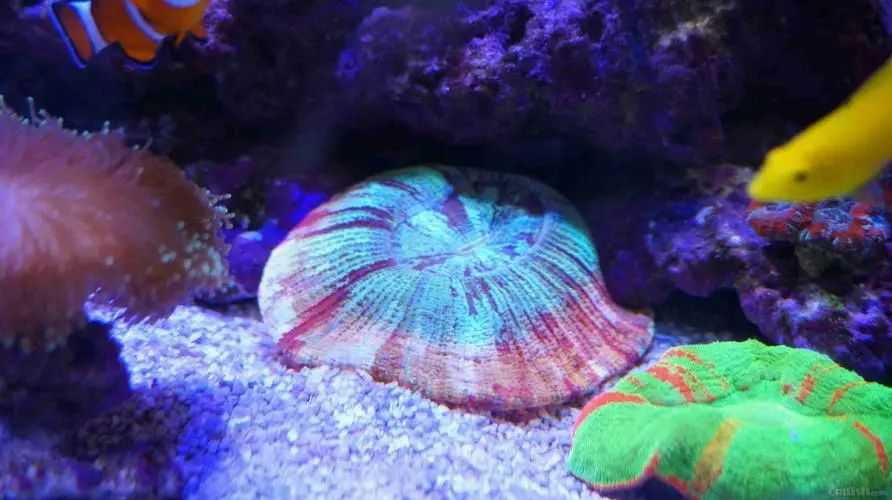
Metarhodactis sp.: The Enchanting "Mushroom Garden" of the Indian OceanMetarhodactis sp.: The Enchanting "Mushroom Garden" of the Indian OceanMetarhodactis sp., a captivating species within the order Alcyonacea of the phylum Cnidaria, thrives in the tropical waters of the Indian Ocean. Renowned in the aquarium trade for its hardiness and dreamlike appearance, this coral—nicknamed the "tiger ear mushroom coral"—adds a whimsical touch to both natural reefs and marine tanks. Its unique form and vibrant colors have solidified its status as a sought-after centerpiece in underwater landscapes.
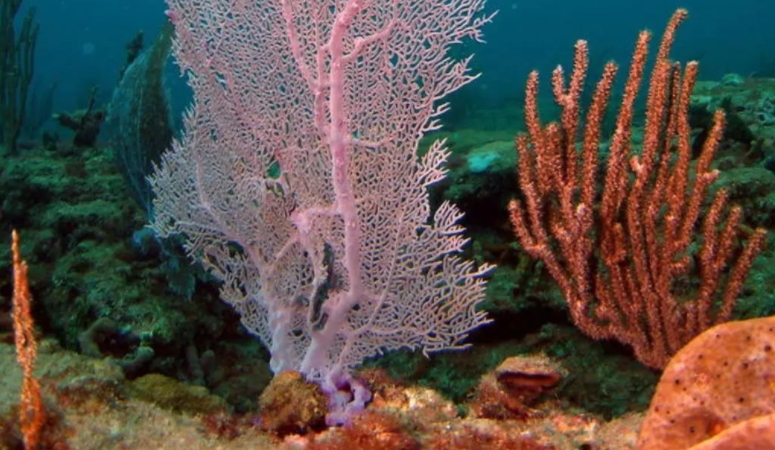
Melithaea spp.: The Graceful Fan Corals of Tropical ReefsMelithaea spp.: The Graceful Fan Corals of Tropical ReefsMelithaea spp., members of the Gorgoniidae family, inhabit the warm reef slopes and caves of the Indo-Pacific Ocean, thriving at depths of 10 to 40 meters. Named for their striking resemblance to unfolded folding fans, these corals are among the most elegant inhabitants of the marine world, blending intricate architecture with vibrant colors to create living masterpieces beneath the waves.
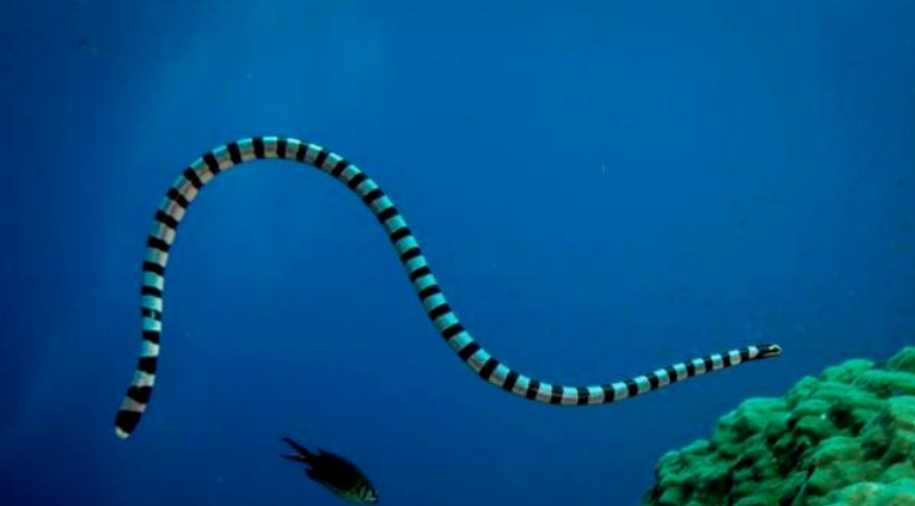
Sea Snakes: Elusive and Venomous Reptiles of the Ocean DepthsSea Snakes: Elusive and Venomous Reptiles of the Ocean DepthsSea snakes, aquatic reptiles adapted to life in marine environments, are among the most fascinating yet misunderstood creatures of the sea. These serpents, closely related to terrestrial cobras, possess a unique set of adaptations that allow them to thrive in saltwater, from paddle-like tails for swimming to specialized glands that excrete excess salt. However, their most renowned feature is their potent venom, a survival tool that has both intrigued and terrified humans for centuries.
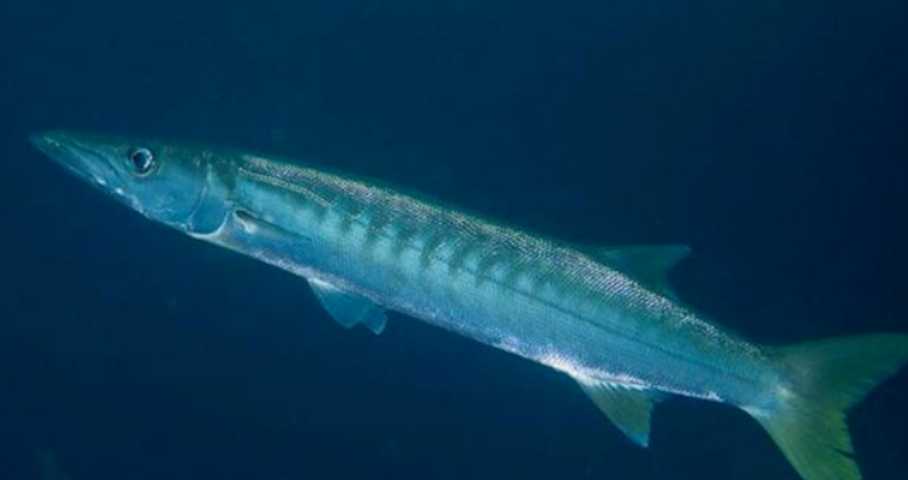
Barracudas: Swift and Formidable Predators of the Open SeasBarracudas: Swift and Formidable Predators of the Open SeasBarracudas are renowned for their lightning-fast swimming speed and sleek, serpentine bodies, making them one of the ocean’s most efficient hunters. With elongated forms resembling aquatic snakes and rows of razor-sharp teeth that rival those of piranhas, these fish cut an intimidating figure in tropical and subtropical waters worldwide. Their streamlined physique and powerful tails allow them to accelerate rapidly, often reaching speeds of up to 40 kilometers per hour, enabling sudden, devastating strikes on unsuspecting prey.