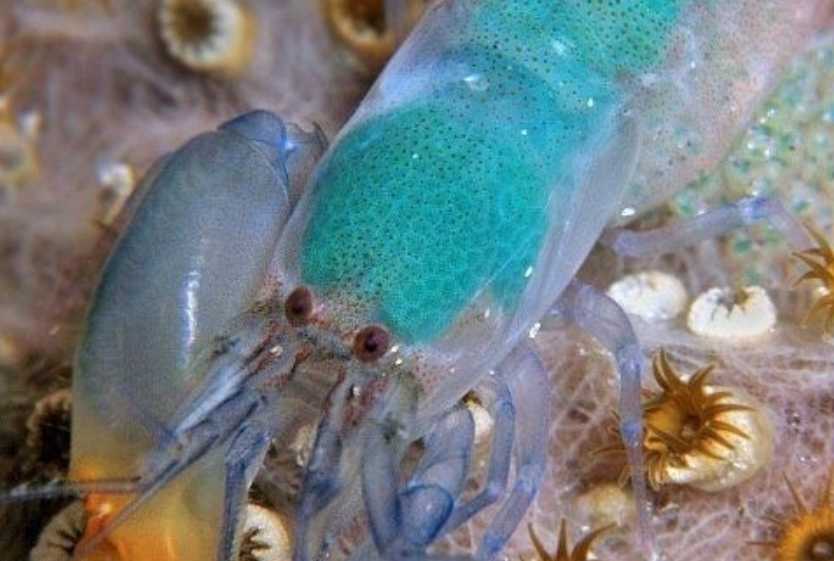
The Pistol Shrimp: Nature’s Underwater Sonic Boom SpecialistThe Pistol Shrimp: Nature’s Underwater Sonic Boom Specialist
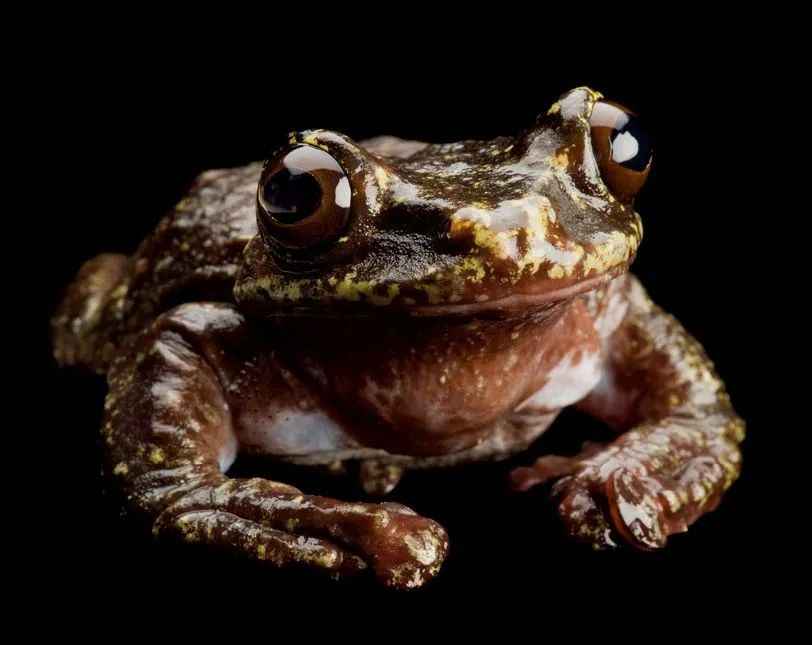
Last Panama Tree Frog "Xiaoyinghan" Dies, Species Declared ExtinctLast Panama Tree Frog "Xiaoyinghan" Dies, Species Declared Extinct
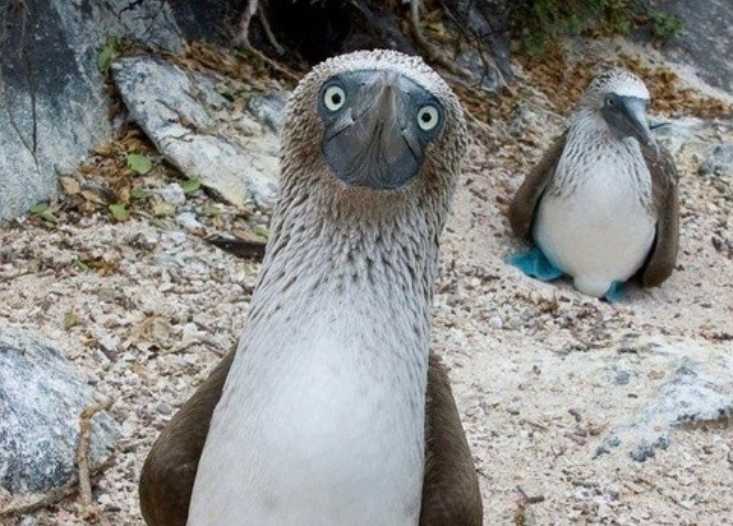
The Blue-Footed Booby: Galápagos’ Colorful Seabird with a Dashing Mating DanceThe Blue-Footed Booby: Galápagos’ Colorful Seabird with a Dashing Mating Dance
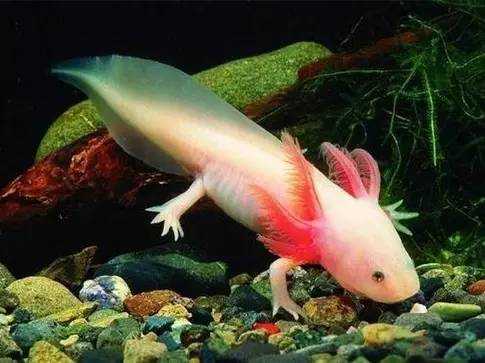
The Axolotl: Mexico’s Remarkable 'Walking Fish' and Genetic MarvelThe Axolotl: Mexico’s Remarkable 'Walking Fish' and Genetic Marvel
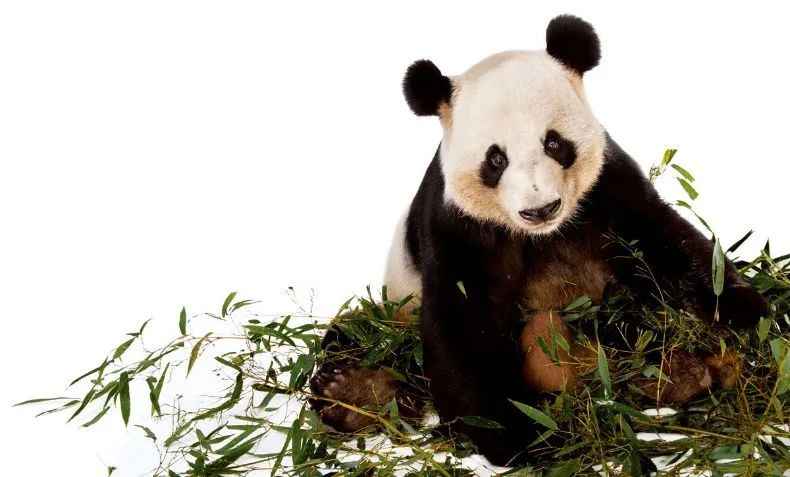
Vulnerable Giant Pandas: China’s Conservation Success and Ongoing ChallengesVulnerable Giant Pandas: China’s Conservation Success and Ongoing ChallengesChina’s iconic giant pandas (Ailuropoda melanoleuca), classified as "Vulnerable" on the IUCN Red List, have seen their wild population rebound to nearly 1,900 individuals through decades of conservation efforts, according to the latest data from China’s National Forestry and Grassland Administration. This marks a significant recovery from the 1980s, when fewer than 1,100 pandas roamed the wild. Despite this progress, habitat fragmentation, climate change, and bamboo die-offs continue to threaten their long-term survival
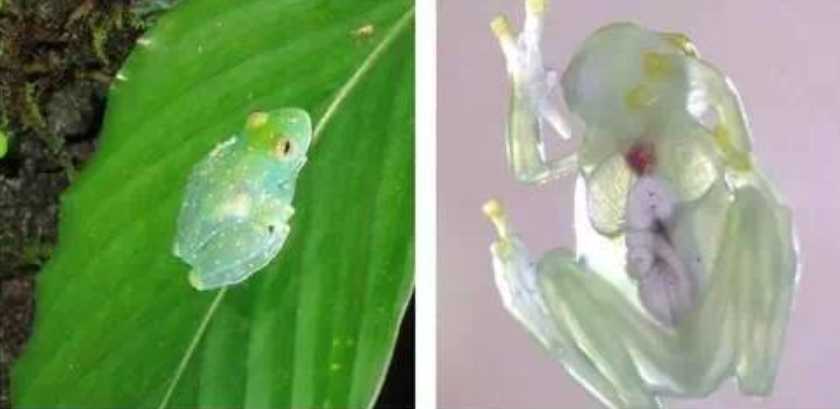
The Glass Frog: Nature’s Transparent Amphibian with a Window to Its Inner WorldThe Glass Frog: Nature’s Transparent Amphibian with a Window to Its Inner WorldNative to the cloud forests of Central and South America, the glass frog (family Centrolenidae) is a remarkable amphibian celebrated for its most unique trait—transparent skin on its belly, allowing observers to see its beating heart, intestines, and even eggs. This evolutionary marvel has captivated biologists, offering a rare glimpse into the inner workings of a living animal.
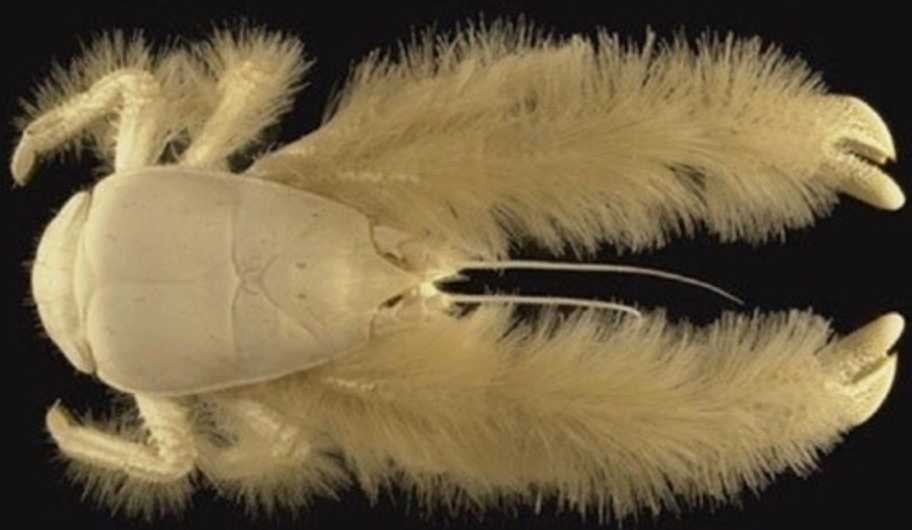
The Yeti Crab: Deep-Sea Marvel with Hairy Pincers and a Chemosynthetic LifestyleThe Yeti Crab: Deep-Sea Marvel with Hairy Pincers and a Chemosynthetic LifestyleDiscovered in 2005 near hydrothermal vents off Easter Island, the yeti crab (Kiwa hirsuta) is a crustacean unlike any other—renowned for its fuzzy, blond "hair" covering its pincers and body, earning it the nickname "yeti crab." This deep-sea dweller thrives in one of Earth’s most extreme environments, relying on a unique partnership with bacteria for survival.
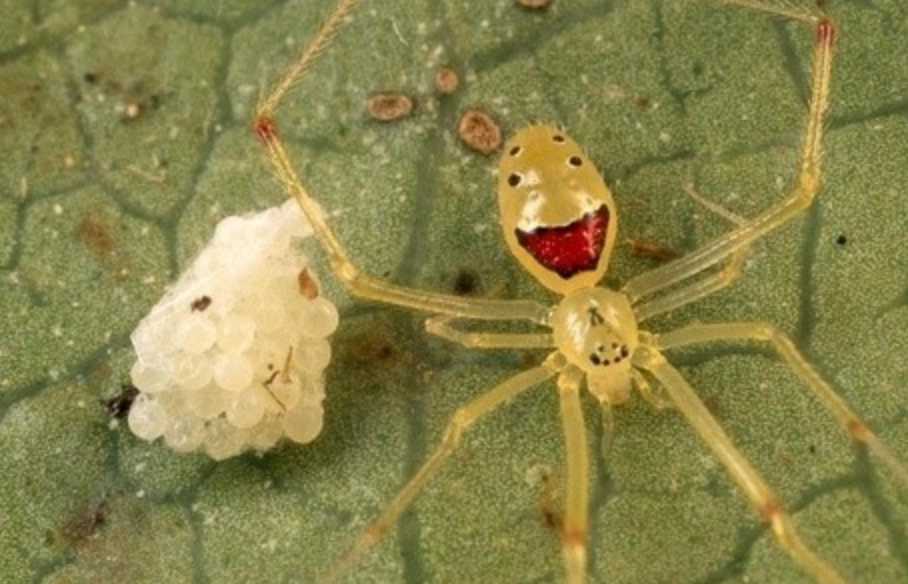
The Happy Face Spider: Hawaii’s Cryptic Arthropod with a Smiling Survival StrategyThe Happy Face Spider: Hawaii’s Cryptic Arthropod with a Smiling Survival StrategyEndemic to the rainforests of Hawaii, the happy face spider (Theridion grallator) is a tiny arachnid celebrated for its most whimsical trait—a ventral abdomen marked with patterns resembling a smiling face. Discovered in the 19th century, this cryptic spider has captivated entomologists with its unique coloration and the evolutionary mystery behind its cheerful design.
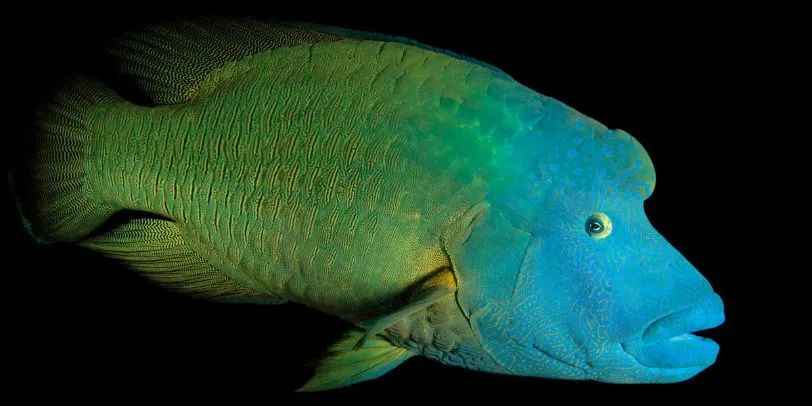
Giant Wrasse: Endangered Icon of Marine EcosystemsGiant Wrasse: Endangered Icon of Marine EcosystemsThe humphead wrasse (Cheilinus undulatus), a majestic marine species, remains listed as endangered, facing ongoing threats to its survival in global oceans. Renowned for its impressive size, adult individuals can reach a staggering weight of 180 kilograms, making it one of the largest reef-dwelling fish in the world.
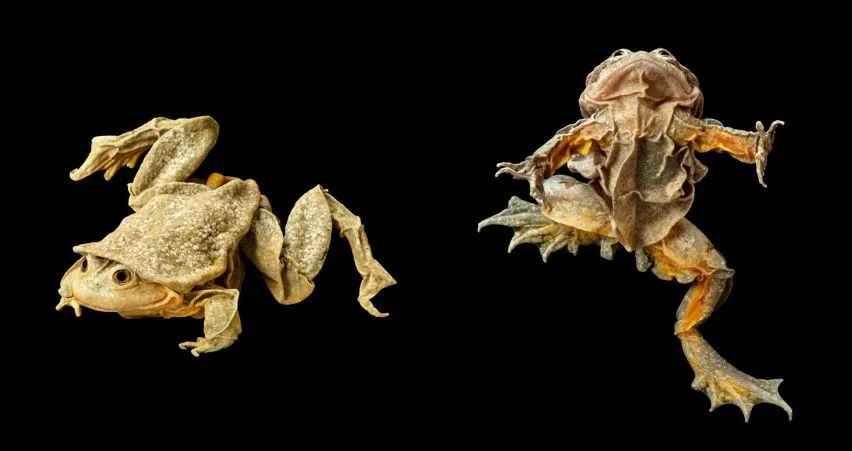
Andes' "Wrinkled Frog" Faces Extinction, Adapting to Thin Oxygen with Unique SkinAndes' "Wrinkled Frog" Faces Extinction, Adapting to Thin Oxygen with Unique SkinIn the high-altitude waters of the Andes, a remarkable amphibian clings to survival against daunting odds. The Titicaca water frog (Telmatobius culeus), listed as critically endangered by conservation authorities, has evolved a striking adaptation to thrive in one of the harshest aquatic environments on Earth.
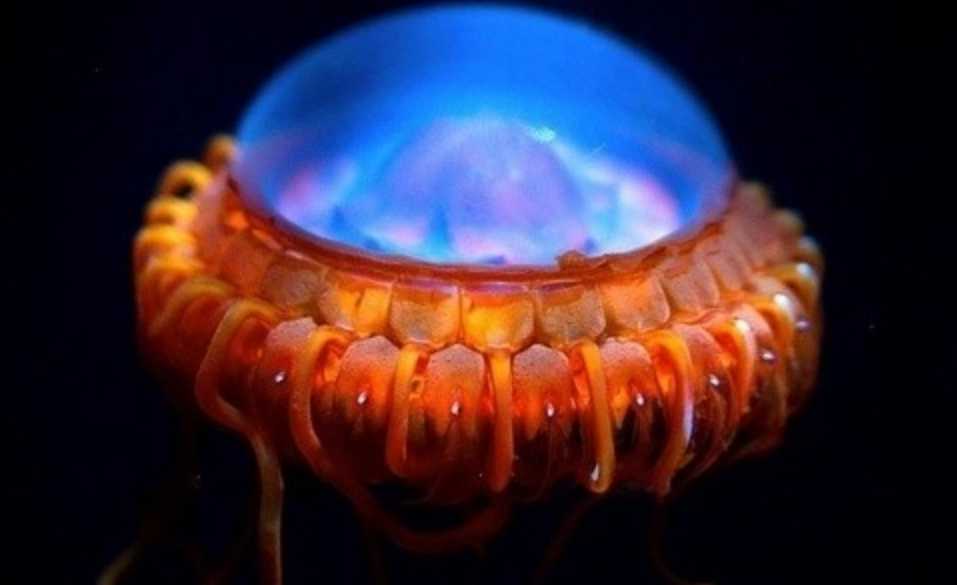
The Alarm Jellyfish: Ocean’s Bioluminescent Sentinel with a Flashing Defense MechanismThe Alarm Jellyfish: Ocean’s Bioluminescent Sentinel with a Flashing Defense MechanismThe alarm jellyfish, scientifically known as Atolla wyvillei, is a deep-sea marvel renowned for its spectacular bioluminescent display—a natural defense strategy that earned it the nickname "alarm bell of the ocean." Found in mesopelagic and bathypelagic zones worldwide, this gelatinous creature has evolved a unique way to survive in the dark abyss by turning predation threats into the ultimate warning signal.
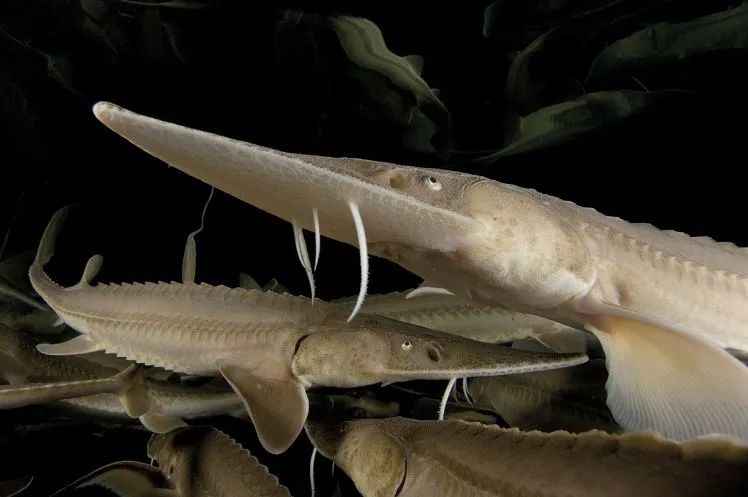
Ancient Survivor: Endangered Pallid Sturgeon, a Living Fossil from the Dinosaur EraAncient Survivor: Endangered Pallid Sturgeon, a Living Fossil from the Dinosaur EraBeneath the waters of the Missouri River basin resides a creature that stands as a living testament to Earth's ancient past—the pallid sturgeon (Scaphirhynchus albus). Dubbed a "living fossil," this substantial fish traces its lineage back to the age of dinosaurs, persisting through tens of millions of years of geological shifts and biological evolution in these river systems.
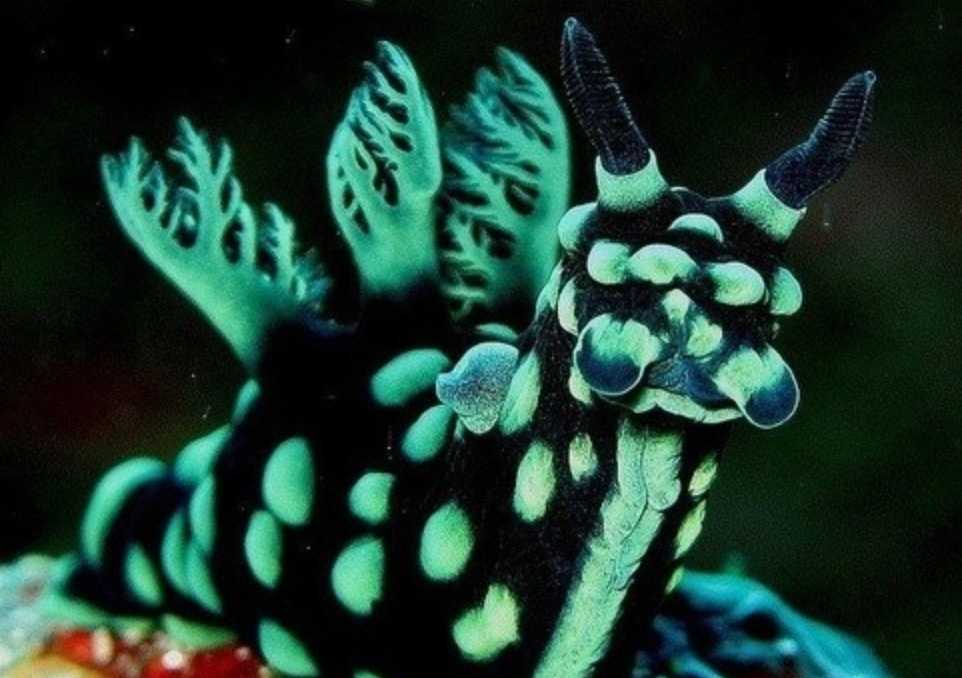
Glowing Green Sea Slug with Bioluminescent Defense Discovered in Tropical ReefsGlowing Green Sea Slug with Bioluminescent Defense Discovered in Tropical ReefsA striking new species of sea slug, Nembrotha cristata, has been documented in the coral reefs of the Indian and western Pacific Oceans, captivating marine biologists with its vivid coloration and unique survival tactics. Measuring up to 50 millimeters, this nudibranch mollusk features a vibrant green body dotted with bioluminescent spots and a distinctive crest-like ridge along its back, earning it the nickname "crest-shaped sea slug" . Its most remarkable adaptation is the ability to store stinging cells (nematocysts) from its jellyfish prey
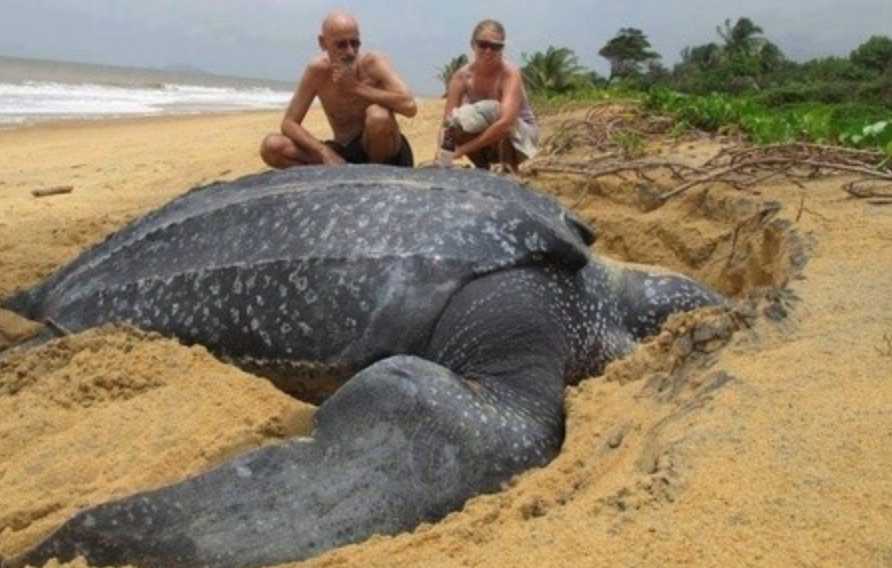
The Leatherback Turtle: Earth’s Colossal Marine Reptile Without a Traditional ShellThe Leatherback Turtle: Earth’s Colossal Marine Reptile Without a Traditional ShellThe leatherback turtle (Dermochelys coriacea) holds the title of the world’s largest turtle, capable of weighing up to 900 kilograms. Unlike other turtles, it lacks a hard bony shell. Instead, its back is supported by a flexible framework of bones covered by thick, rubbery skin, giving it a unique, leathery appearance that distinguishes it from all other chelonians.
Deadly Beauty: The Endangered Plight of the Golden Poison FrogDeadly Beauty: The Endangered Plight of the Golden Poison FrogIn the rainforests along Colombia’s Pacific coast resides a creature barely 5 centimeters long yet feared by all—Phyllobates terribilis, known as the golden poison frog. Cloaked in vivid orange or gold, this small amphibian ranks among the most toxic organisms on Earth. Its brilliant hue is no mere adornment, but nature’s blunt warning: keep away.
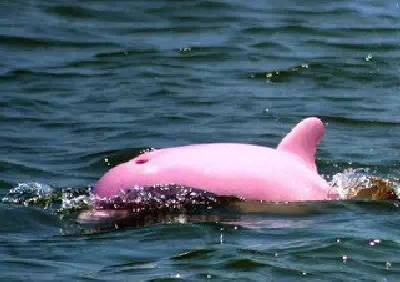
The Pink Bottlenose Dolphin: Nature’s Rare Blush-Hued Marine MarvelThe Pink Bottlenose Dolphin: Nature’s Rare Blush-Hued Marine MarvelA rare and captivating variant of the common bottlenose dolphin (Tursiops truncatus), the pink bottlenose dolphin has fascinated marine biologists and enthusiasts with its striking rosy hue. Spotted in coastal waters from the Gulf of Mexico to Southeast Asia, this genetic anomaly stands out not only for its color but also for the mysteries surrounding its unique pigmentation.
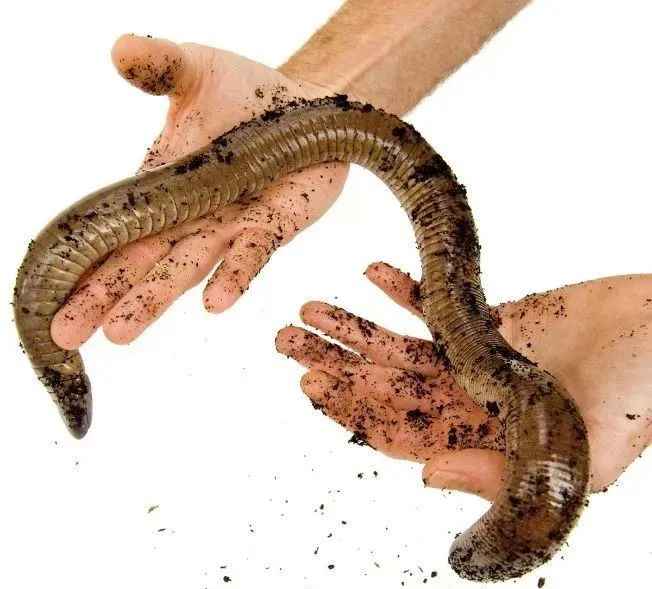
Mexican Caecilian: A Vulnerable Amphibian Hiding in SoilMexican Caecilian: A Vulnerable Amphibian Hiding in SoilBeneath the soft soils of Mexico, a creature that resembles a giant earthworm quietly resides. But don't be fooled by its appearance—this is no worm. It's Dermophis mexicanus, a unique amphibian with a surprising secret: its limbs have completely vanished over time.
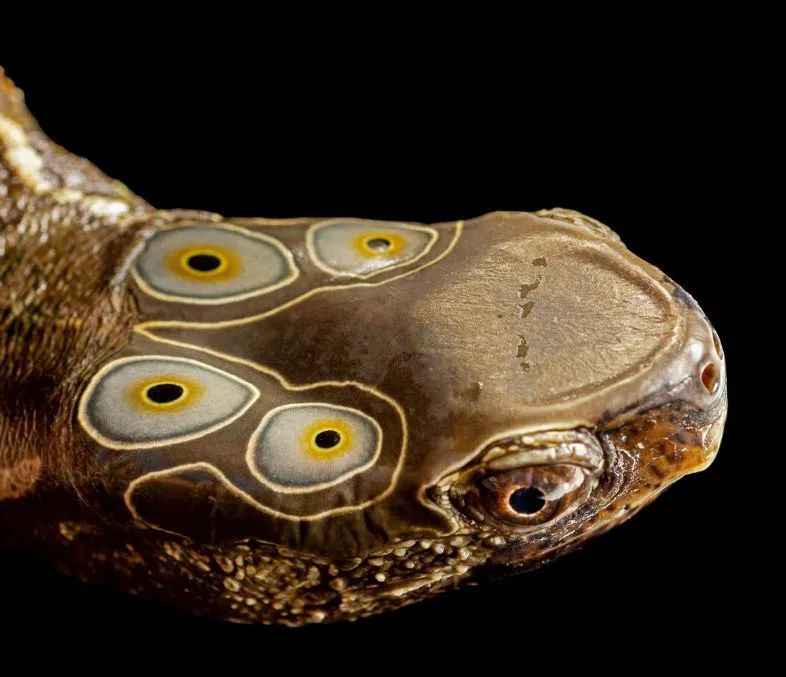
Four-Eyed Turtle: A Unique Freshwater Species Teeters on the Brink of ExtinctionFour-Eyed Turtle: A Unique Freshwater Species Teeters on the Brink of ExtinctionThe four-eyed turtle (Sacalia quadriocellata), a rare freshwater reptile native to Southeast Asia, has captured global attention for its distinctive appearance and critical endangered status. Contrary to its common name, this small turtle—typically measuring under 20 centimeters in length—possesses only two functional eyes. Its moniker derives from four striking ocelli (eye-like spots) atop its head: two pairs of bright yellow markings ringed with dark pigment, resembling additional eyes and forming one of nature’s most intriguing examples of mimicry.
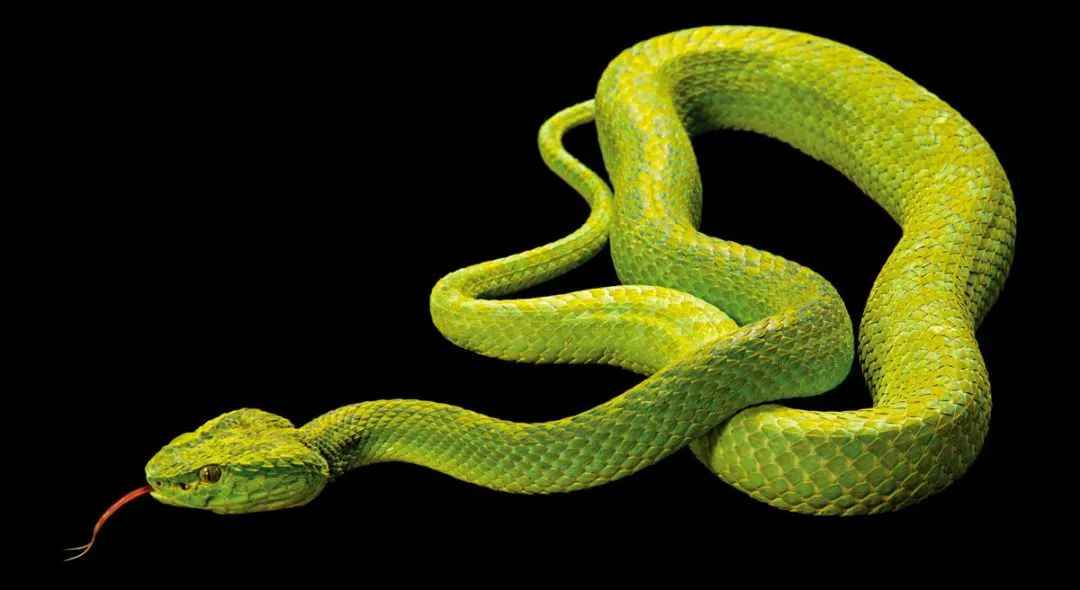
Honduran Palm Pit Viper Faces Extinction as Prey CollapsesHonduran Palm Pit Viper Faces Extinction as Prey CollapsesIn the lush, mist-shrouded forests of Honduras, a silent crisis is unfolding for one of the region’s most unique reptiles: the Honduran palm pit viper (Bothriechis marchi). Classified as endangered, this elusive serpent, known for its striking coloration and arboreal habits, is teetering on the brink of disappearance, its fate tightly intertwined with the catastrophic decline of its primary prey—amphibians.
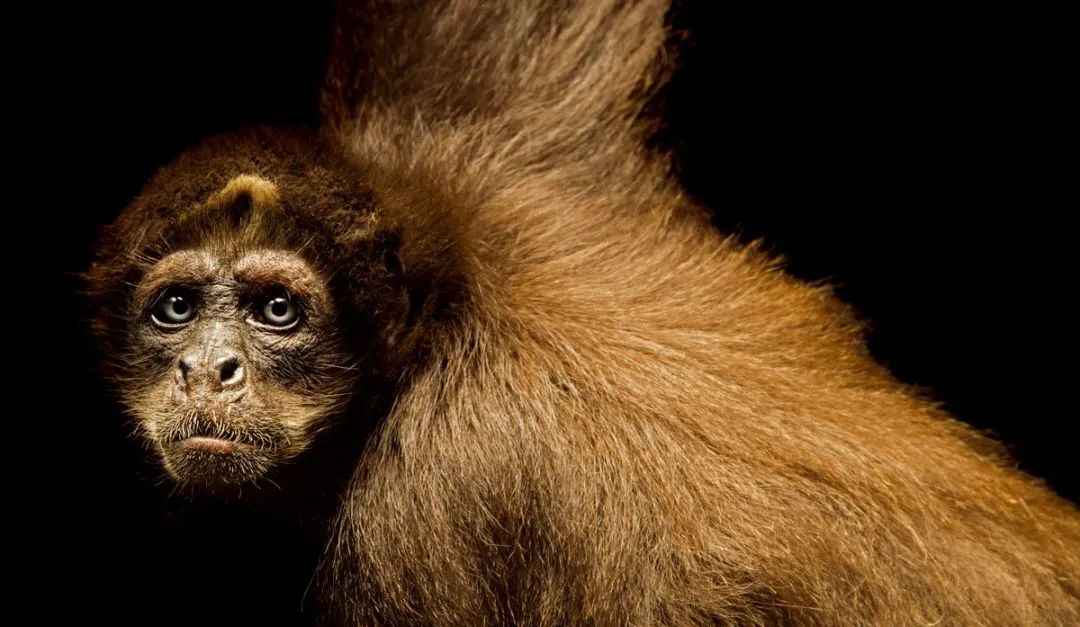
Critically Endangered Brown Spider Monkeys: Vital Seed Dispersers in South American RainforestsCritically Endangered Brown Spider Monkeys: Vital Seed Dispersers in South American RainforestsDeep within the pristine rainforests of South America, a silent ecological crisis looms for one of the continent’s most imperiled primates: the brown spider monkey (Ateles hybridus). Classified as "Critically Endangered" by the International Union for Conservation of Nature (IUCN), this species plays an irreplaceable role in sustaining the health of its habitat—serving as a linchpin for seed dispersal that supports hundreds of plant species.