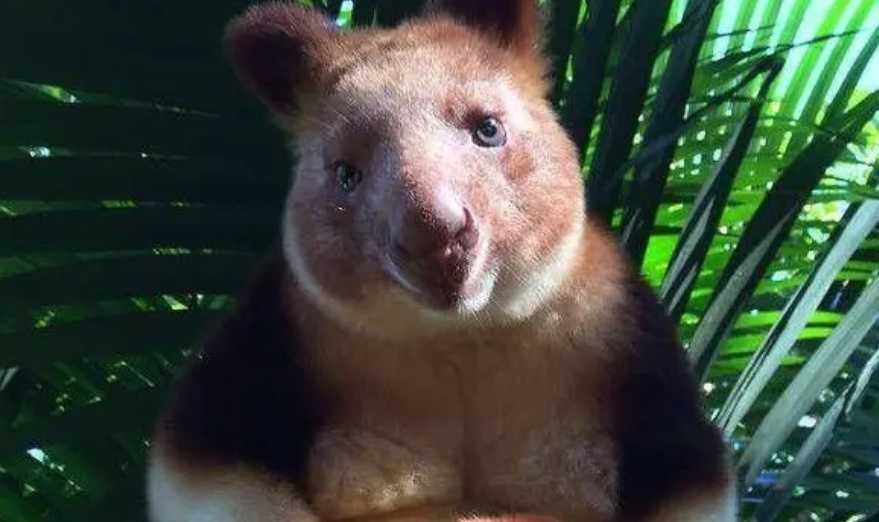
New Guinea Tree Kangaroo: The Enigmatic 'Mosaic' Animal of the ForestNew Guinea Tree Kangaroo: The Enigmatic 'Mosaic' Animal of the Forest
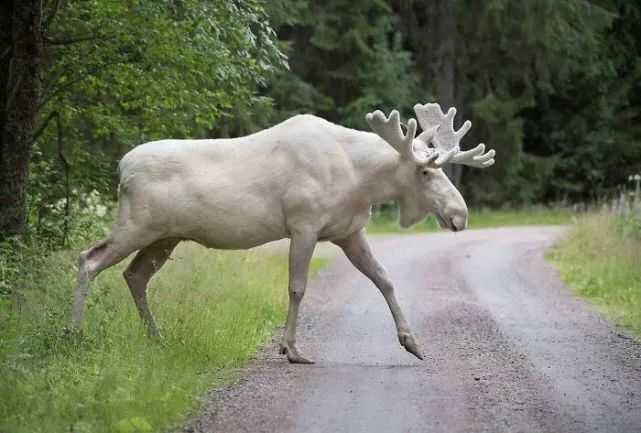
Albino Reindeer: The Rare Snow - White Marvel of the TundraAlbino Reindeer: The Rare Snow - White Marvel of the Tundra
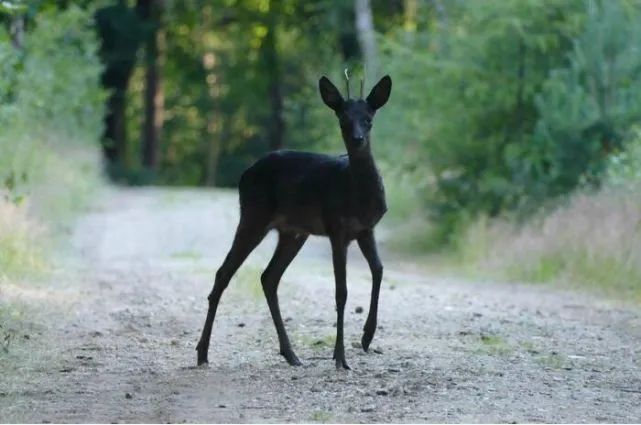
The Enigmatic Black Fawn: Nature’s Rare Onyx-Hued MarvelThe Enigmatic Black Fawn: Nature’s Rare Onyx-Hued MarvelDeep within forested landscapes, a rare genetic variation gives birth to the black fawn—a creature whose obsidian coat sets it apart from its tawny - colored peers. This phenomenon, known as melanism, results from an overproduction of melanin, causing the fur to darken to near - black. While most deer species exhibit light - brown spots as fawns for camouflage, black fawns sport solid jet - black fur, often with faint residual spots that fade over time. Found in species like white - tailed deer and roe deer, these individuals spark curiosity among biologists and nature observers alike.
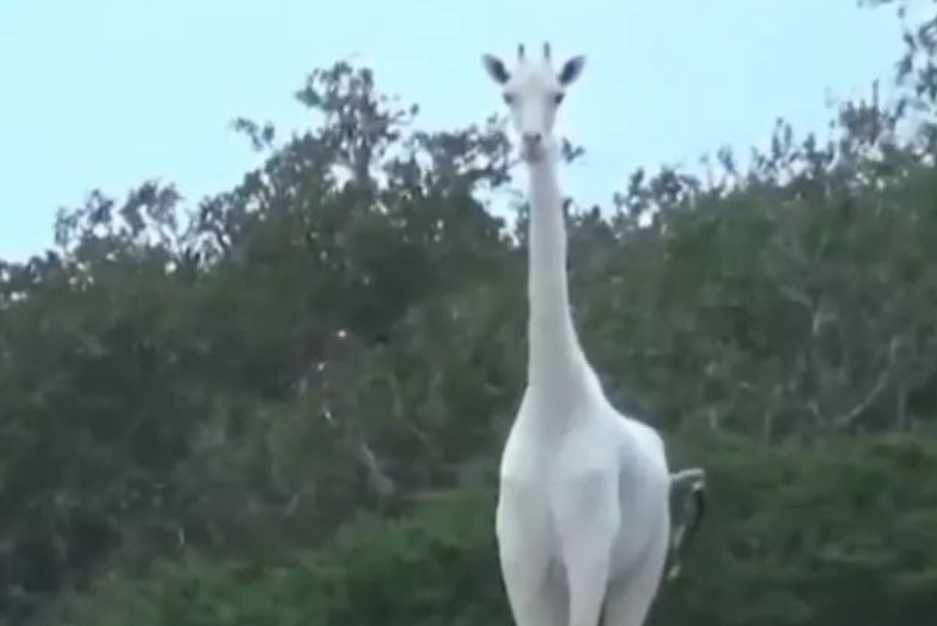
Rare White Giraffes Spotted in Kenyan Conservancy: A Glimpse of Nature’s Ethereal MarvelRare White Giraffes Spotted in Kenyan Conservancy: A Glimpse of Nature’s Ethereal MarvelIn a stunning wildlife encounter, conservationists and visitors to Kenya’s Ishaqbini Hirola Conservancy have recently witnessed the rare sight of white giraffes roaming the arid landscapes. These majestic creatures, believed to suffer from leucism—a condition causing partial loss of skin pigmentation—stand out against the golden savannah with their snow-white hides, a stark contrast to the typical tan - spotted coat of their peers.
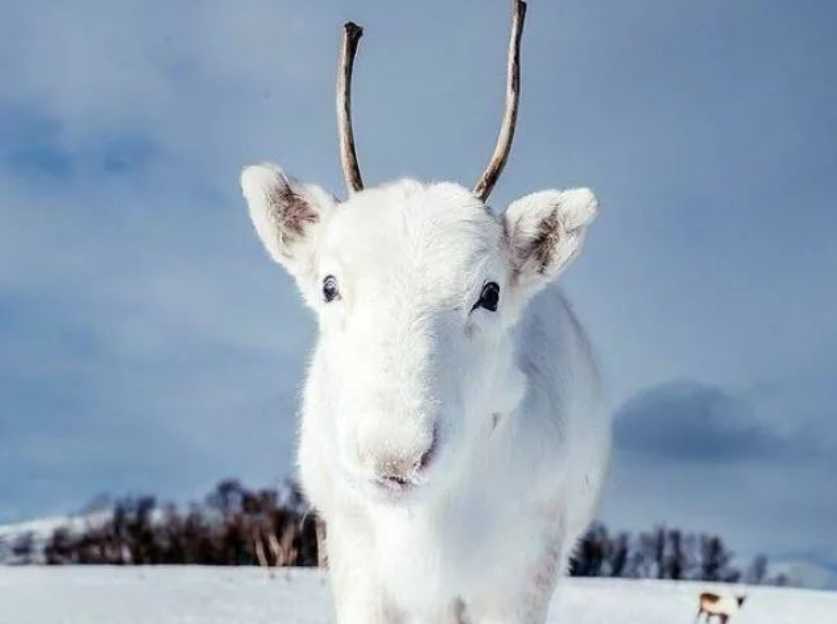
The Extremely Rare White Calf Reindeer: A Snowbound Enigma of the ArcticThe Extremely Rare White Calf Reindeer: A Snowbound Enigma of the ArcticDeep within the frost - blanketed tundra of northern Scandinavia and Siberia, an extraordinary sight occasionally emerges: the white calf reindeer. Unlike typical fawns with speckled brown coats, these rare individuals are born with pure white fur, a result of leucism—a genetic condition causing partial loss of pigmentation. Their ethereal appearance, resembling a living snowflake against the icy landscape, has captivated researchers and indigenous communities for generations.
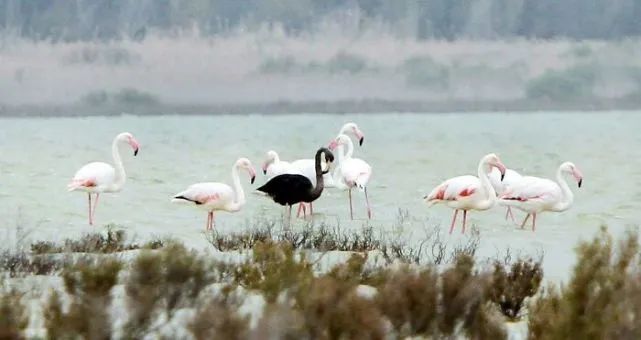
Black Flamingo Spotted in Cyprus: A Rare Ornithological SightingBlack Flamingo Spotted in Cyprus: A Rare Ornithological SightingBirdwatchers and nature enthusiasts in Cyprus were treated to a once - in - a - lifetime spectacle when a black flamingo made an unexpected appearance in the country's wetlands. The unusual bird, with its deep, dark plumage contrasting sharply with the typical pink feathers of its species, has become the talk of the town and a focal point for ornithological study.
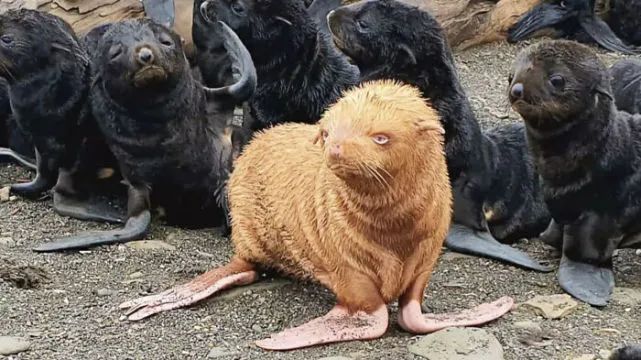
Golden Seal Pup Discovered: A Rare Glow in the Ocean’s DepthsGolden Seal Pup Discovered: A Rare Glow in the Ocean’s DepthsMarine biologists along the Scottish coast were astonished to document a golden seal pup—a creature whose shimmering, amber - hued fur contrasts dramatically with the typical gray - black coats of its species. Spotted on a remote Hebridean island, the pup’s unique coloration has sparked scientific curiosity, with researchers suspecting a rare genetic variation or pigmentation anomaly.
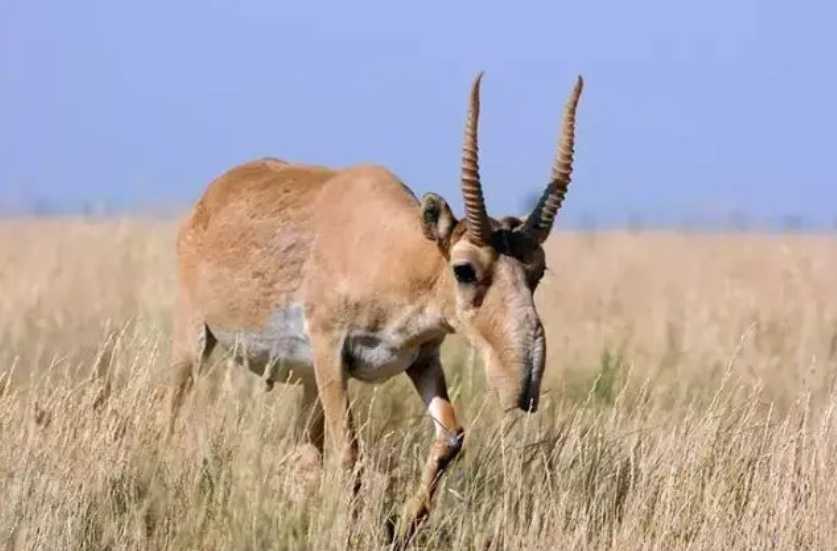
Saiga Antelopes Face Extinction as Male Poaching Disrupts Herd Gender BalanceSaiga Antelopes Face Extinction as Male Poaching Disrupts Herd Gender BalanceNative to the grasslands of Eurasia, the saiga antelope (Saiga tatarica) teeters on the brink of extinction, its population devastated by a critical gender imbalance—driven by decades of rampant poaching of adult males. Once numbering in the millions, these iconic ungulates now struggle to reproduce as male herds are decimated, leaving female-dominated populations unable to sustain genetic diversity.
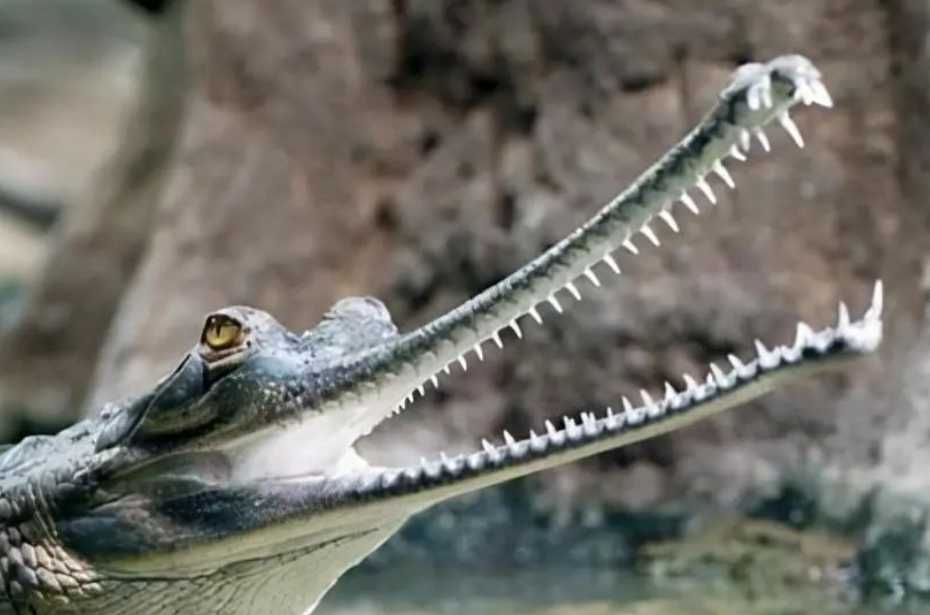
The Ganges Crocodile: One of the World's Largest Crocodiles with a Needle - Sharp SnoutThe Ganges Crocodile: One of the World's Largest Crocodiles with a Needle - Sharp SnoutThe Ganges crocodile (Gavialis gangeticus), also known as the gharial, stands as one of the planet's most imposing crocodilian species. Native to the freshwater rivers of the Indian subcontinent, it boasts a uniquely long, slender snout perfectly adapted for its piscivorous (fish - eating) diet, making it a master predator in its aquatic habitat.
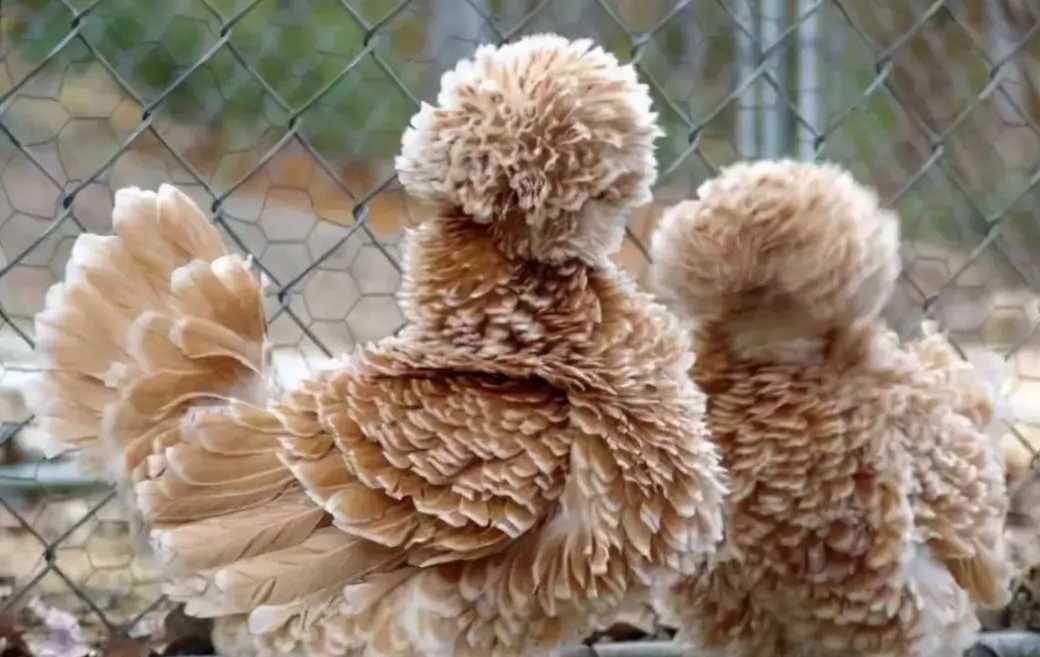
The Royal Pheasant Chicken: A British-Bred Ornamental Fowl with Noble OriginsThe Royal Pheasant Chicken: A British-Bred Ornamental Fowl with Noble OriginsHailing from the United Kingdom, the Royal Pheasant Chicken—often known as the "Concubine Chicken" in some regions—has a storied history as a breed refined from common British farm chickens by the Royal Academy of Science. Developed for its striking appearance and gentle temperament, this fowl blends ornamental elegance with a heritage rooted in scientific breeding efforts.
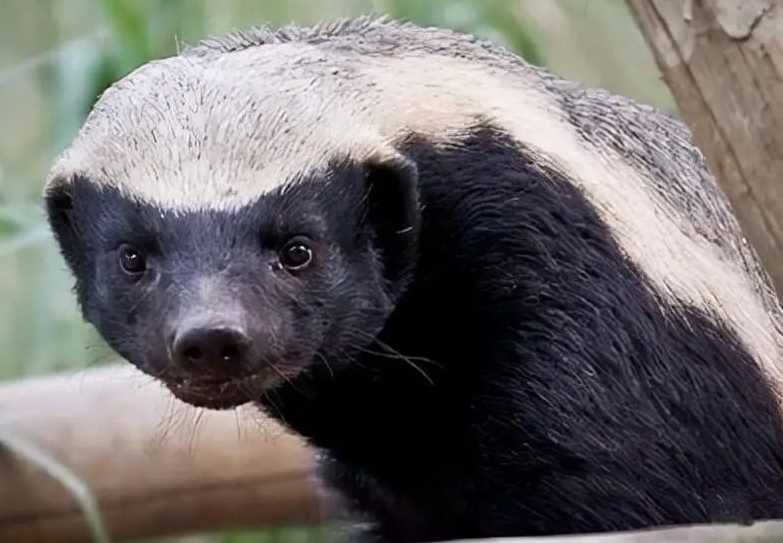
Honey Badgers: The Fearless 'Mellivora' That Take On Lions and Snack on Venomous SnakesHoney Badgers: The Fearless 'Mellivora' That Take On Lions and Snack on Venomous SnakesKnown worldwide as the "honey badger" or the internet-famous "Pingtouge," Mellivora capensis has earned a reputation for unmatched bravery and a diet that defies logic. These stocky mammals, native to Africa, Asia, and the Middle East, are infamous for charging lions, tussling with hyenas, and even munching on cobras and vipers as if they were mere snacks.
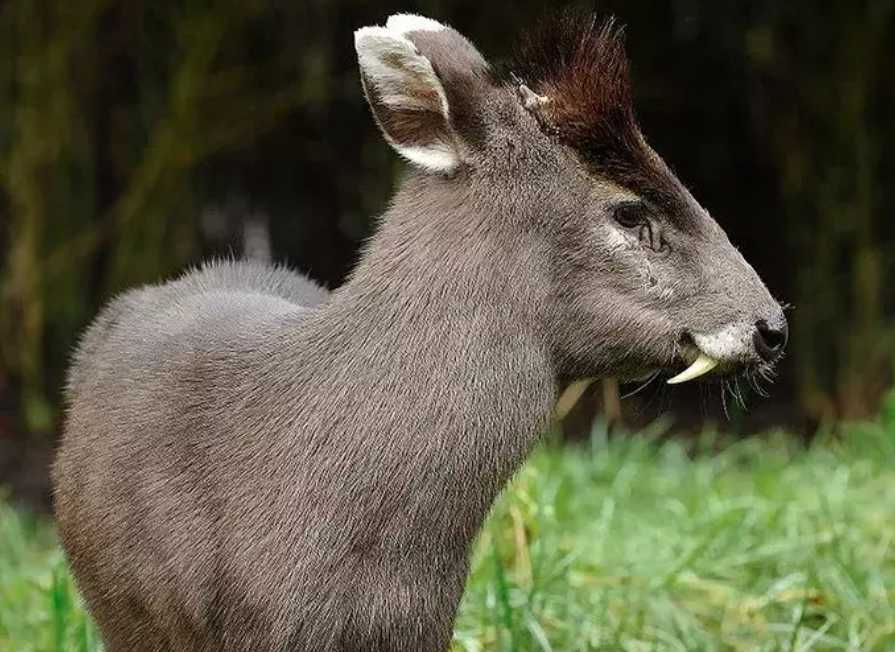
Tufted Deer: A Small, Elusive Deer Species Discovered in Central ChinaTufted Deer: A Small, Elusive Deer Species Discovered in Central ChinaNestled within the mountainous forests of central China roams a diminutive deer species that captivates with its unique appearance and elusive nature. The tufted deer (Elaphodus cephalophus), named for the distinctive tuft of black hair atop its head, stands out as a rare gem among the diverse wildlife of Asia, blending distinctive features with a secretive lifestyle.
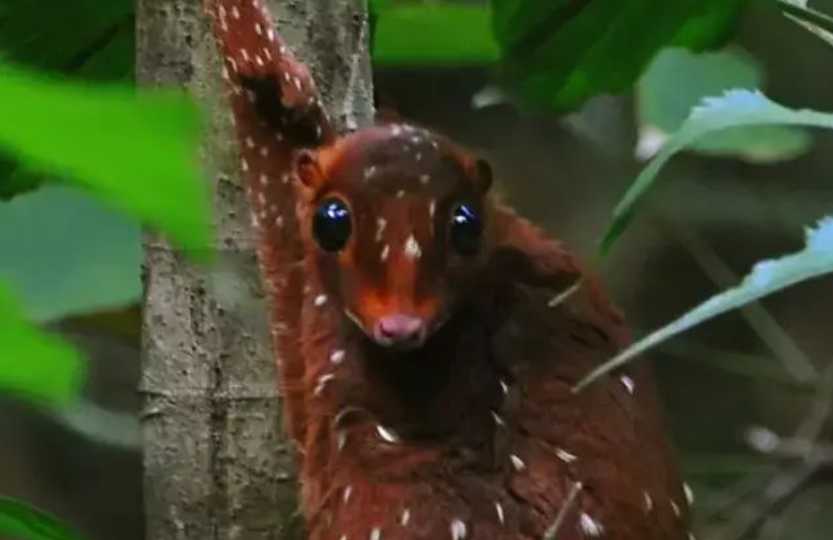
The Sunda Colugo: An Indonesian Native That's Neither a Monkey Nor a True FlyerThe Sunda Colugo: An Indonesian Native That's Neither a Monkey Nor a True FlyerNative to the rainforests of Indonesia, Malaysia, and Thailand, the Sunda colugo (Galeopterus variegatus) confuses observers with its misleading name. Despite being called a "cat monkey" in some regions, this arboreal mammal belongs to the order Dermoptera—and rather than flying, it performs an astonishing glide that spans up to 100 meters between trees.
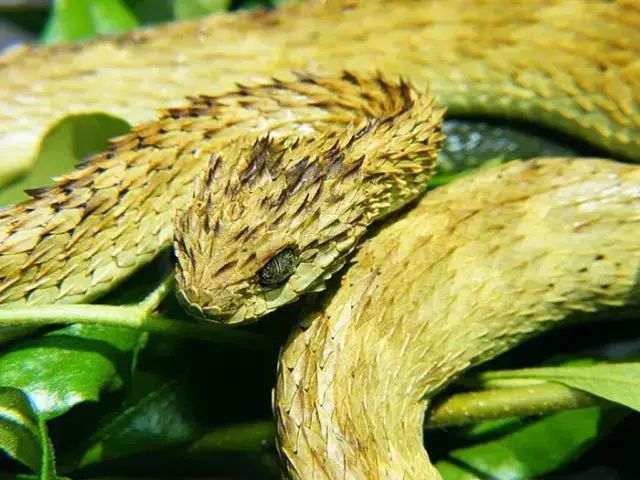
The Kiwu Tree Viper: A Dragon-Like Venomous Snake from Central AfricaThe Kiwu Tree Viper: A Dragon-Like Venomous Snake from Central AfricaNative to the rainforests of Central Africa, the Kiwu tree viper (Atheris hispida) strikes an imposing figure, with its spiky scales and vibrant coloration earning it comparisons to mythical dragons. Found in regions like Rwanda and the Democratic Republic of Congo, this arboreal serpent combines beauty with lethality, thriving in the forest canopy as one of Africa’s most distinctive venomous species.
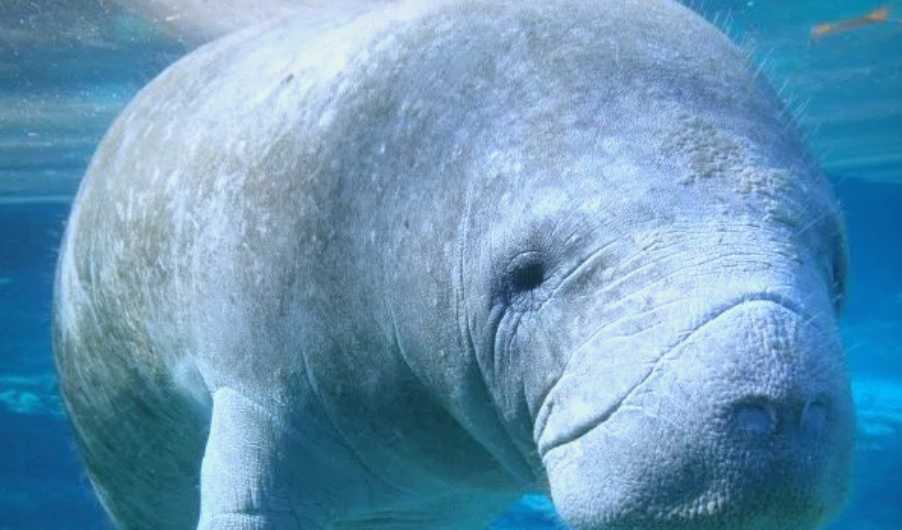
The Dugong: Earth’s Last Living 'Sea Cow' and Its Tragic PlightThe Dugong: Earth’s Last Living 'Sea Cow' and Its Tragic PlightAs the sole surviving species of the Dugongidae family, the dugong measures 2.7–3.3 meters in length and weighs 400–600 kg, grazing on seagrass in tropical shallows. Tragically, the population in China’s South China Sea has been confirmed functionally extinct, making this gentle giant a national first-class protected animal in China.
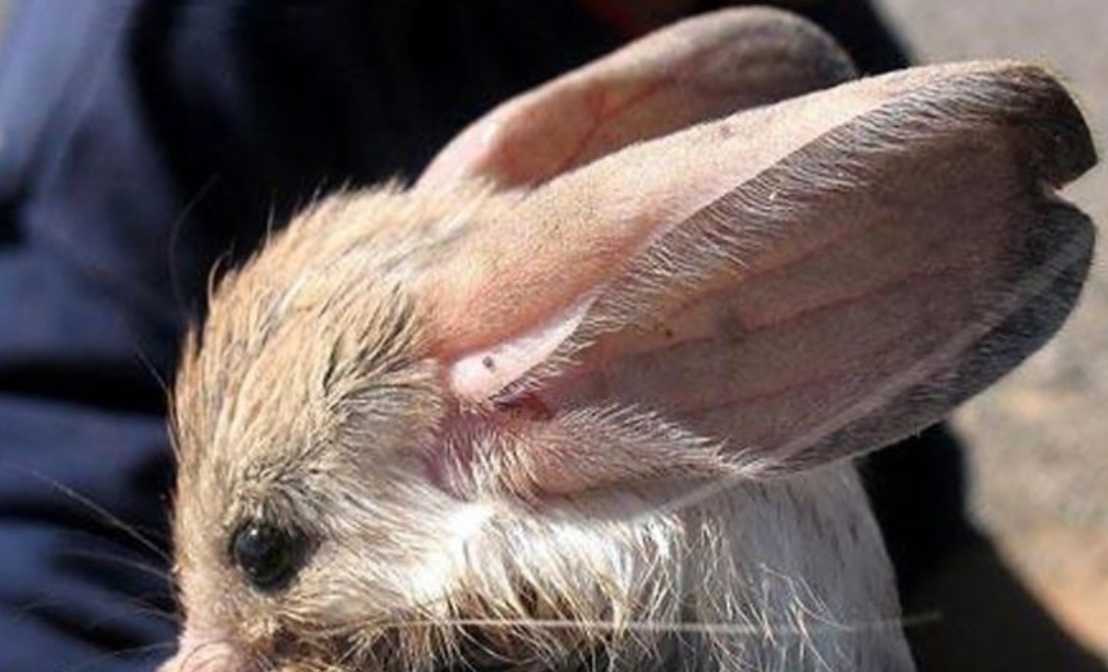
The Long-Eared Jerboa: A Desert Dweller with Ears Larger Than Its BodyThe Long-Eared Jerboa: A Desert Dweller with Ears Larger Than Its BodyNative to the arid deserts of Mongolia and northern China, the long-eared jerboa (Euchoreutes naso) defies expectations with its disproportionately giant ears, which can reach up to 6 centimeters—longer than its entire head and body combined. This mouse-sized rodent, adapted to survive in harsh desert environments, has captivated scientists and animal enthusiasts alike with its bizarre appearance and unique behavioral traits.
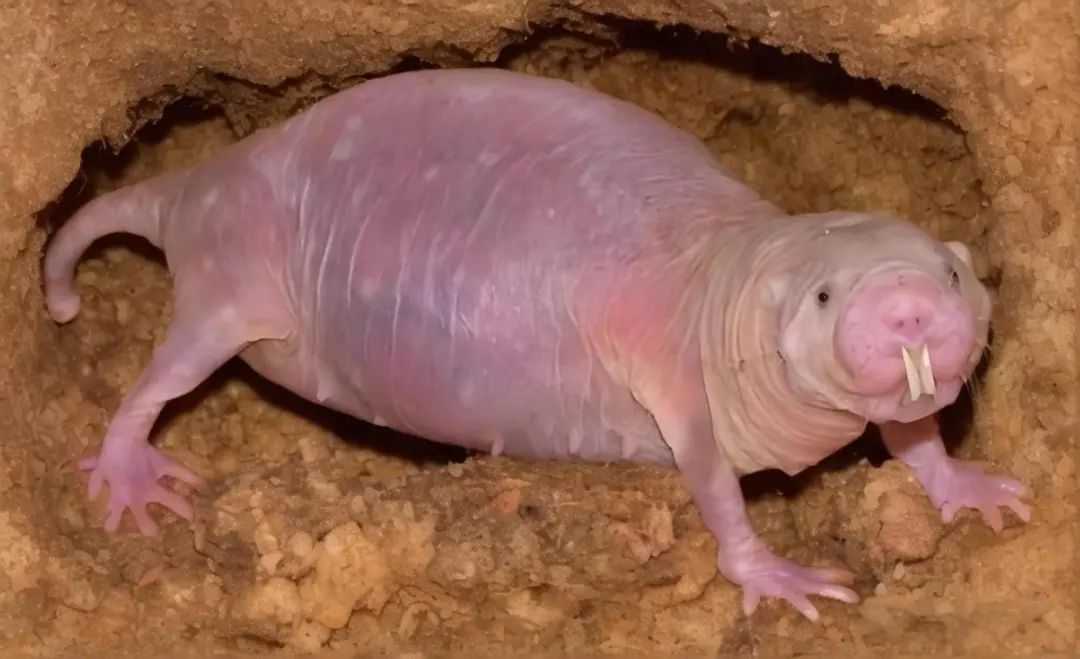
The Naked Mole-Rat: East Africa’s Hairless Wonder of Evolutionary OddityThe Naked Mole-Rat: East Africa’s Hairless Wonder of Evolutionary OddityEndemic to East Africa, the naked mole-rat is a hairless rodent measuring 8–10 cm in length, subsisting primarily on underground tubers. Remarkably, its skin lacks pain receptors, and the species shows resistance to cancer and hypoxia—traits that have fascinated scientists for decades.
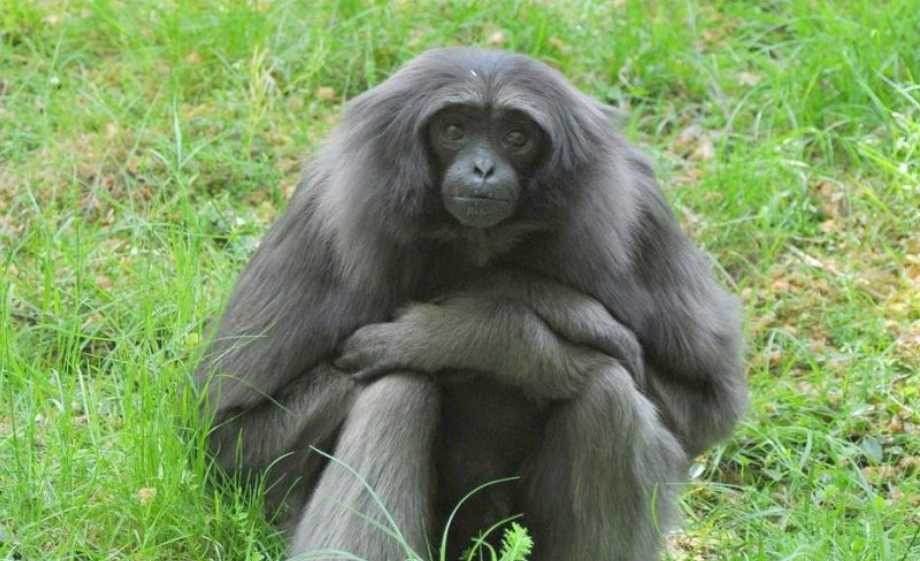
The Grey Gibbon: A Primate with an Expressive Face of Innocence and Subtle SorrowThe Grey Gibbon: A Primate with an Expressive Face of Innocence and Subtle SorrowIn the lush rainforests of Southeast Asia, the grey gibbon (Hylobates moloch) stands out not just for its agile brachiation but for its remarkably human-like facial expressions. With large, soulful eyes and a permanent expression that blends innocence with a hint of melancholy, this arboreal primate has captivated observers, sparking curiosity about the emotions behind its unique countenance.