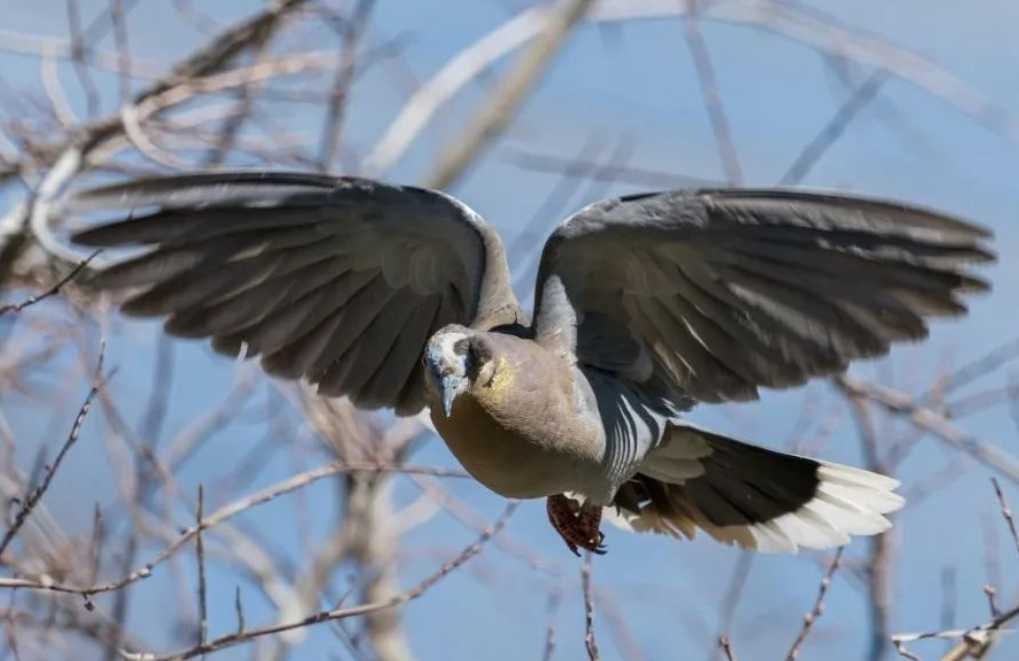
White - Winged Dove: A Soaring Symbol of the SouthwestWhite - Winged Dove: A Soaring Symbol of the Southwest
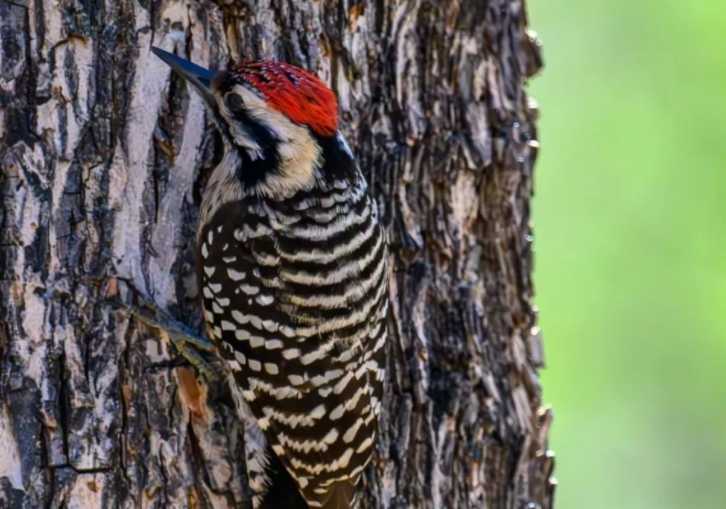
The Stripe - Backed Woodpecker: A Forest’s Master CraftsmanThe Stripe - Backed Woodpecker: A Forest’s Master Craftsman
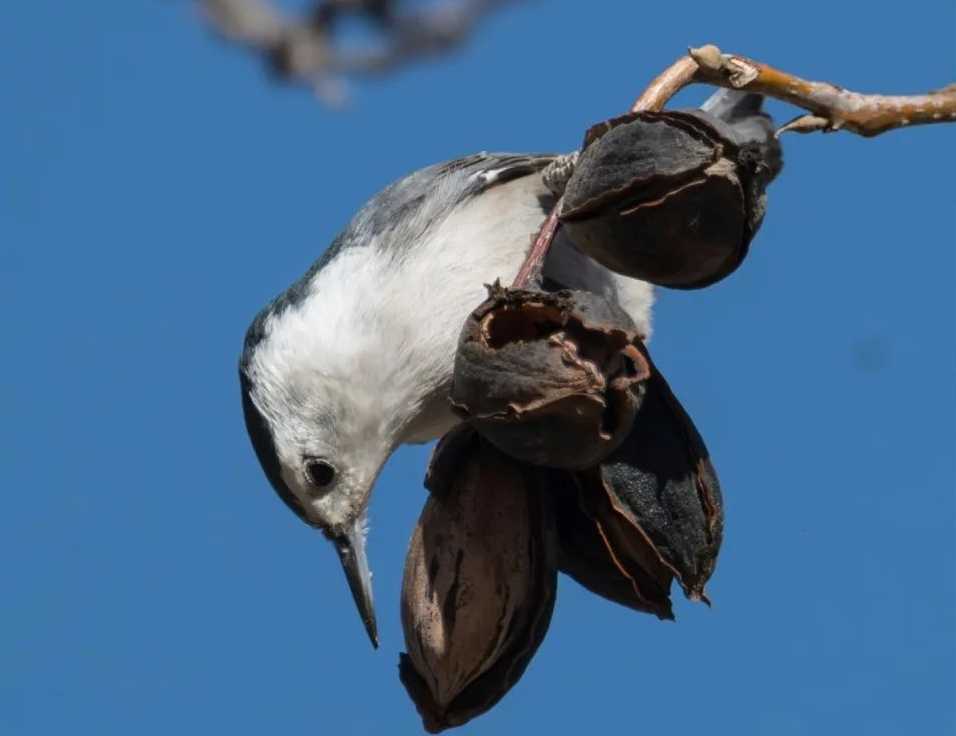
White - Breasted Nuthatch: The Upside - Down Acrobat of the WoodsWhite - Breasted Nuthatch: The Upside - Down Acrobat of the WoodsThe white - breasted nuthatch, Sitta carolinensis, is a distinctive and agile songbird that stands out in North American woodlands. With its striking combination of a white underbelly, blue - gray upperparts, and a black cap and nape on males (gray on females), it has a unique appearance. This small bird is renowned for its ability to climb headfirst down tree trunks, a behavior rare among birds.
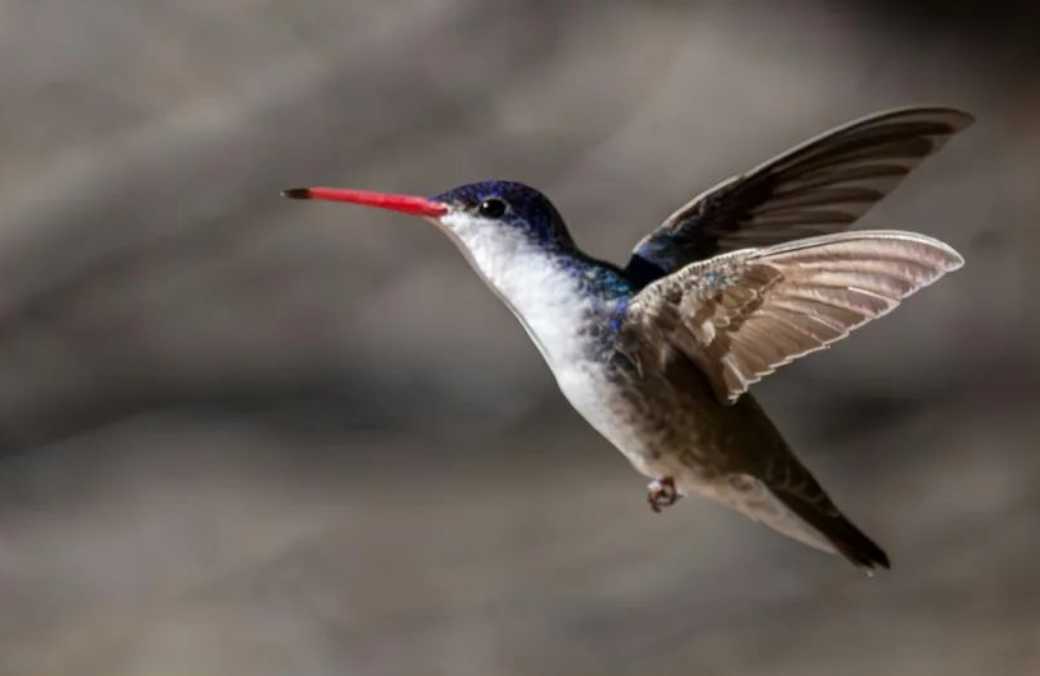
Violet - Crowned Hummingbird: A Mesmerizing Avian WonderViolet - Crowned Hummingbird: A Mesmerizing Avian WonderThe violet - crowned hummingbird, Agyrtria violiceps, is a unique and captivating species that stands out among its avian counterparts. With a glittering purple crown adorning its head, a pristine white underbelly, and a long, straight, orange - hued bill tipped with black, it presents an elegant and eye - catching appearance. Males and females are similar in looks, making this species easily recognizable in the wild.
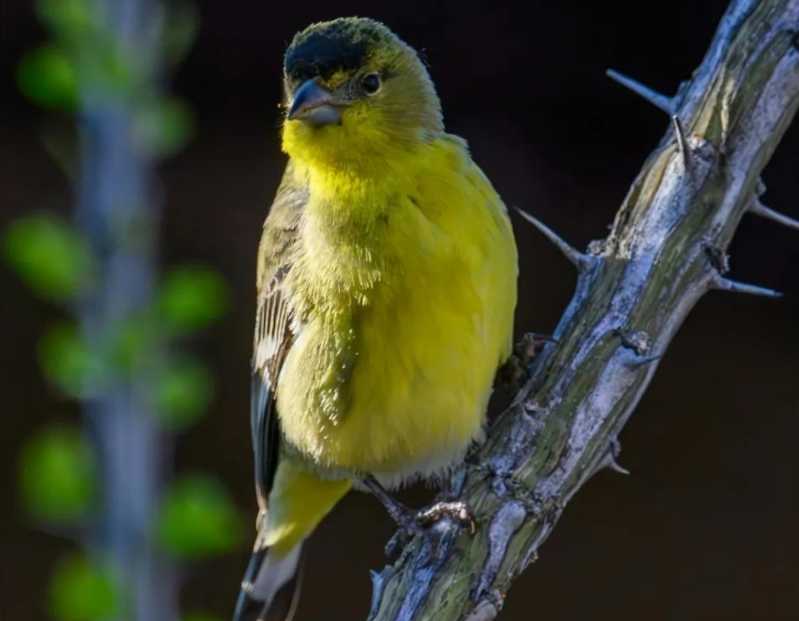
Dark - Backed Goldfinch: A Radiant Gem of the Avian WorldDark - Backed Goldfinch: A Radiant Gem of the Avian WorldThe dark - backed goldfinch, Carduelis psaltria, is a small yet stunning bird celebrated for its vibrant plumage. Males showcase a striking combination of a bright yellow underbelly, contrasting sharply with their dark brown - black backs and wings, while females exhibit more muted, olive - toned hues. This species’ vivid colors make it a captivating sight in its natural habitats.
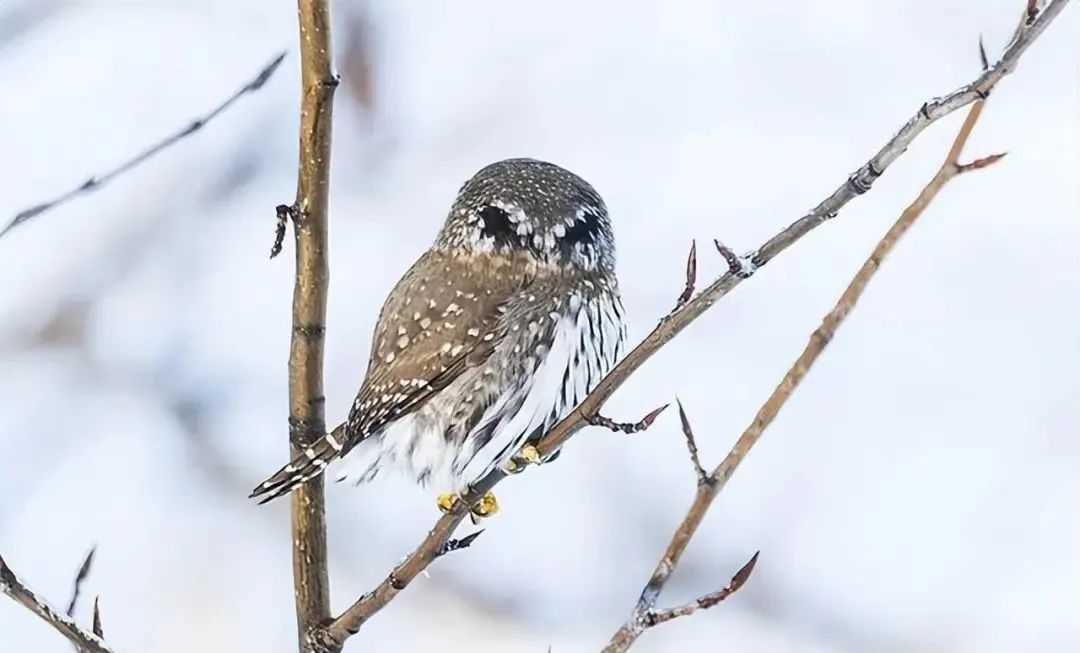
The Northern Pygmy-Owl: Deceptive 'Eyes' on Its BackThe Northern Pygmy-Owl: Deceptive 'Eyes' on Its BackThe Northern pygmy-owl (Glaucidium gnoma), a diminutive raptor native to North America’s coniferous forests, employs a fascinating evolutionary trick: conspicuous "eye spots" on the back of its head, designed to deceive predators and potential threats. These false eyes, formed by concentric circles of dark and light feathers, create the illusion that the owl is constantly watching, even when it turns its back.
Bold Black-Headed Gull Steals Food Directly from Puffin's BeakBold Black-Headed Gull Steals Food Directly from Puffin's BeakIn a dramatic display of avian thievery, a black-headed gull (Chroicocephalus ridibundus) was recently captured on camera snatching a meal straight from the beak of a puffin in a coastal colony. The incident, observed on a rocky outcrop near the Scottish Isles, highlights the opportunistic feeding behavior of these gulls, which often resort to piracy to secure an easy meal.
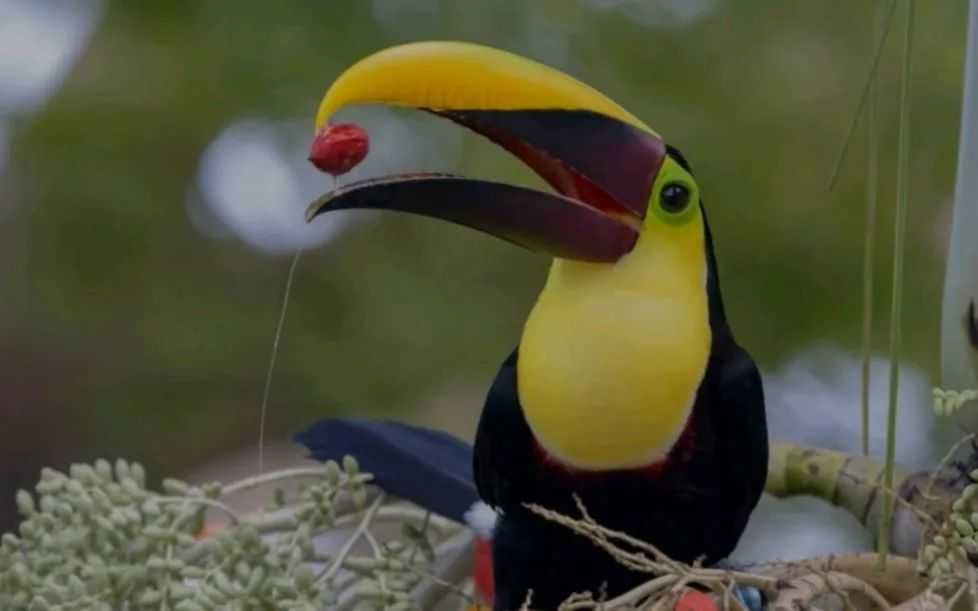
Ramphastos ambiguus: The Black-Billed Toucan of South American RainforestsRamphastos ambiguus: The Black-Billed Toucan of South American RainforestsRamphastos ambiguus, commonly known as the black-billed toucan, is a striking medium-sized bird native to the lush rainforests of South America. With its distinctive appearance and ecological role, this species stands out as a charismatic inhabitant of the tropical canopy, where it thrives amidst dense foliage and towering trees.
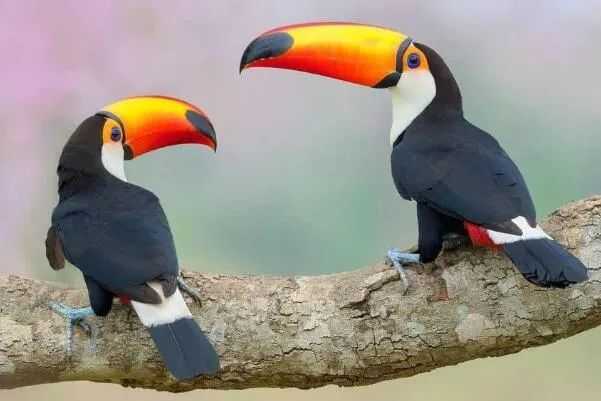
Ramphastos toco: The Largest Toucan of South American SavannahsRamphastos toco: The Largest Toucan of South American SavannahsRamphastos toco, commonly known as the toco toucan, reigns as the largest species within the toucan family, captivating observers with its remarkable size and distinct features. Endemic to the tropical savannahs of South America, this avian wonder showcases a unique blend of elegance and functionality, making it a symbol of the region's rich biodiversity.
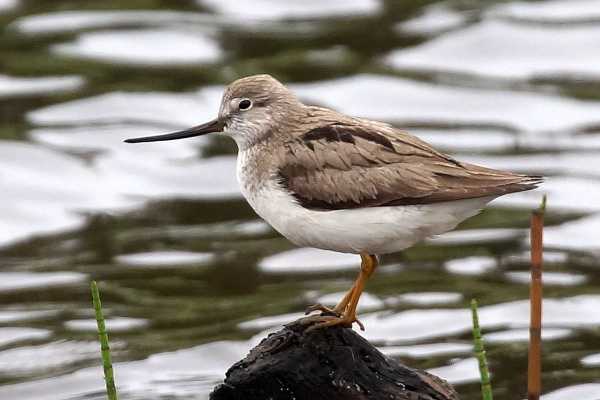
Xenus cinereus: The Agile Migrant Connecting East Asia and AustraliaXenus cinereus: The Agile Migrant Connecting East Asia and AustraliaXenus cinereus, commonly known as the upturned-bill sandpiper, is a remarkable medium-sized wading bird that undertakes an impressive migratory journey between East Asia and Australia. Renowned for its unique foraging adaptations and ecological role, this species is a vital component of the coastal and wetland ecosystems it traverses during its annual migrations.
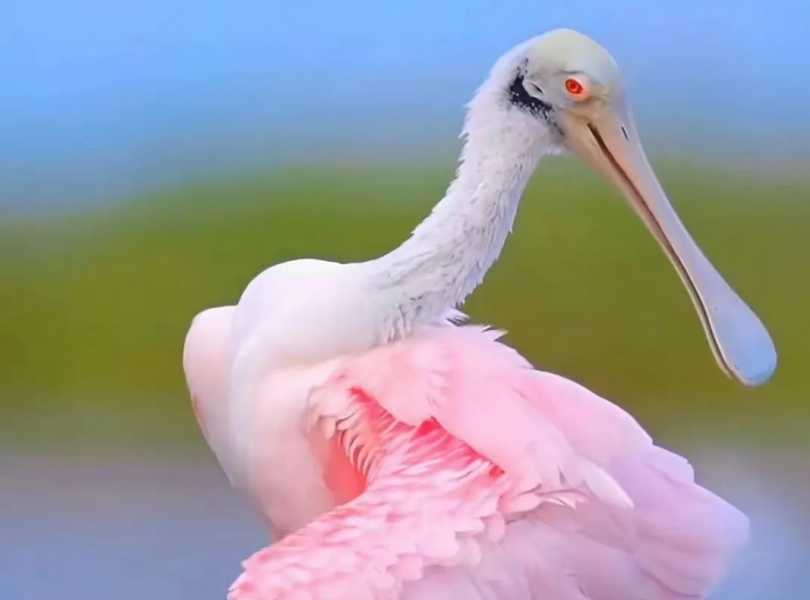
Platalea ajaja: The Vibrant Roseate Spoonbill of the AmericasPlatalea ajaja: The Vibrant Roseate Spoonbill of the AmericasPlatalea ajaja, commonly known as the roseate spoonbill, is a striking wading bird native to the warm regions of the Americas. Renowned for its vivid plumage and unique feeding behavior, this species is an iconic inhabitant of shallow wetlands and coastal ecosystems, where its presence adds a splash of color to the landscape.
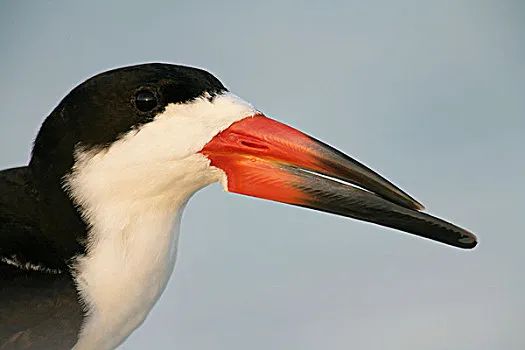
Rynchops niger: The Unique Scissor-Billed Seabird of Tropical CoastsRynchops niger: The Unique Scissor-Billed Seabird of Tropical CoastsRynchops niger, commonly known as the black skimmer, is a fascinating and distinctive seabird inhabiting tropical and subtropical coastal regions. Renowned for its extraordinary bill structure and specialized feeding behavior, this species stands out as a unique contributor to marine ecosystems, where it thrives in dynamic coastal and estuarine environments.
The Wood Duck: North America’s Jeweled Waterfowl and Living Work of ArtThe Wood Duck: North America’s Jeweled Waterfowl and Living Work of ArtScientifically named Aix sponsa—Latin for "bird as beautiful as a bride"—the wood duck is a petite tree-dwelling waterfowl measuring 47–54 cm. Native to North America’s lakes, wetlands, and forested waterways, it feasts on acorns and aquatic insects, blending arboreal agility with aquatic grace.
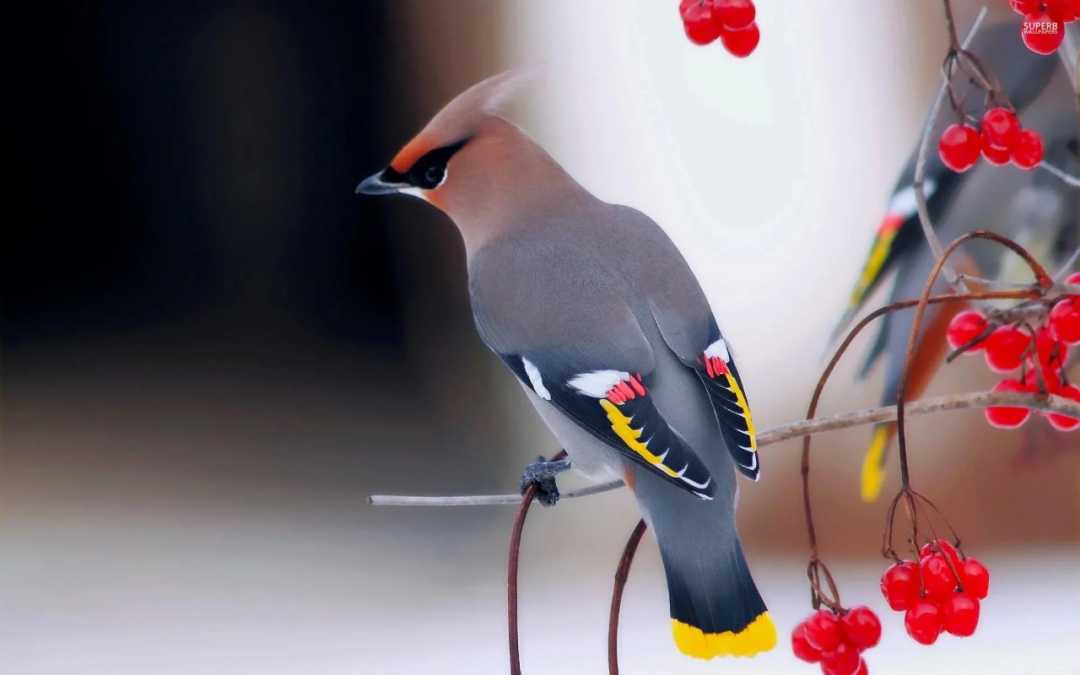
The Bohemian Waxwing: A Northern Forest Jewel in Silken PlumageThe Bohemian Waxwing: A Northern Forest Jewel in Silken PlumageScientifically named Bombycilla garrulus, the Bohemian waxwing is a medium-sized songbird of the Passeriformes order, measuring 18 cm in length. Inhabiting boreal forests across northern North America and Eurasia, it undertakes minor winter migrations, feasting primarily on berries and boasting a lifespan of around 13 years.
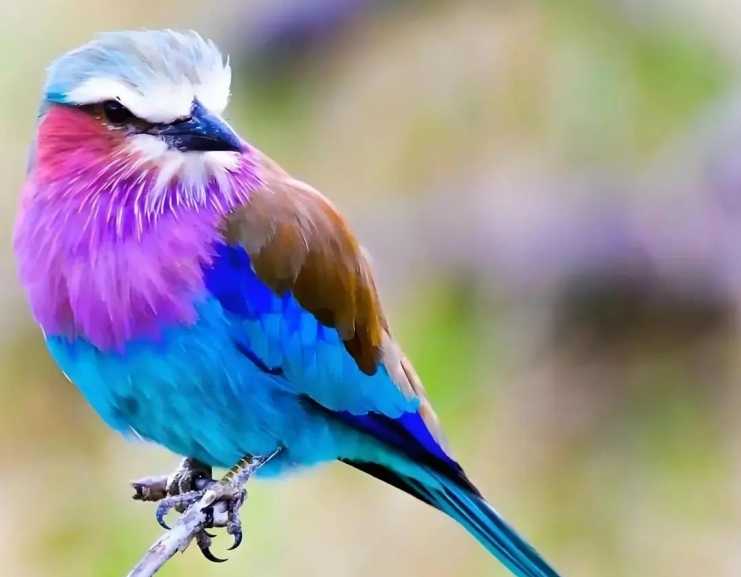
The Lilac-breasted Roller: Africa’s Iridescent Avian Jewel with a Spiritual NameThe Lilac-breasted Roller: Africa’s Iridescent Avian Jewel with a Spiritual NameScientifically named Coracias caudatus, the lilac-breasted roller is a 36-cm bird of the Coraciiformes order, thriving across sub-Saharan Africa and southern Arabia. Feeding on insects and lizards, it holds the prestigious title of national bird in both Kenya and Botswana—a testament to its cultural and ecological significance.
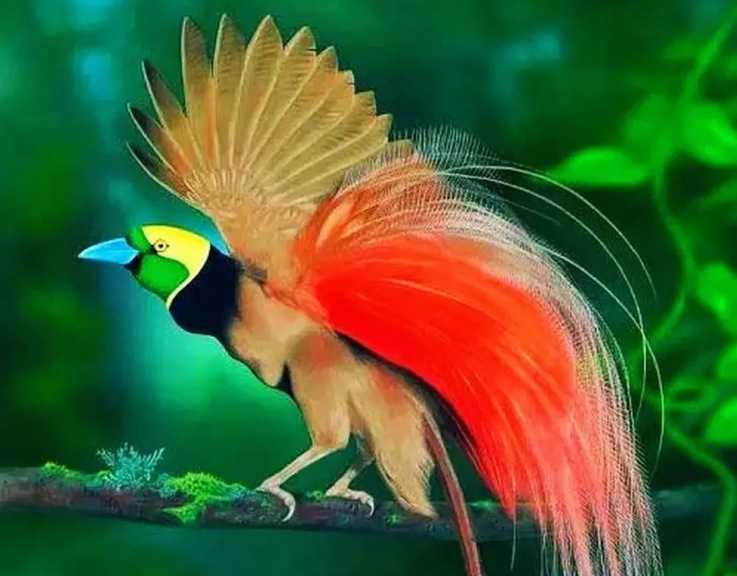
The Greater Bird of Paradise: New Guinea’s Avian Wonder Once Thought a MythThe Greater Bird of Paradise: New Guinea’s Avian Wonder Once Thought a MythEndemic to New Guinea, the greater bird of paradise (Paradisaea apoda) belongs to the Paradisaeidae family, feasting on fruits and insects. So extraordinary is its beauty that 19th-century European naturalists doubted its existence, suspecting its vividly plumed specimens were fraudulent "mythical creatures."
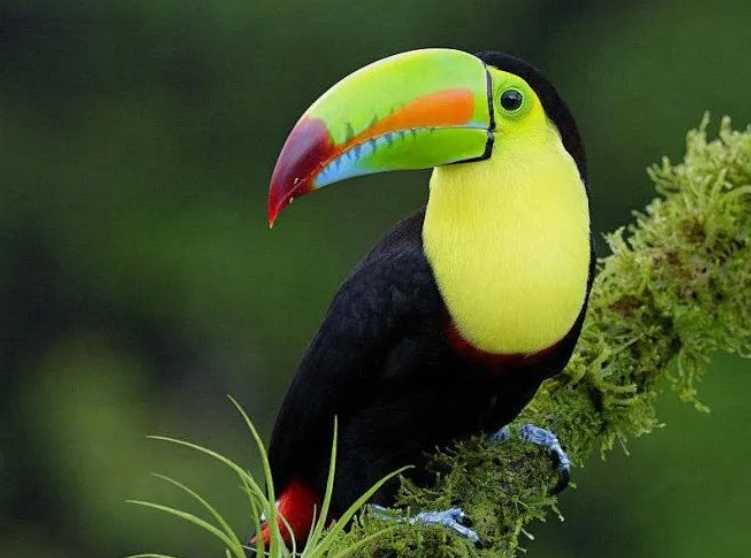
The Keel-billed Toucan: Central America’s Colorful Beak MasterpieceThe Keel-billed Toucan: Central America’s Colorful Beak MasterpieceScientifically named Ramphastos sulfuratus, the keel-billed toucan belongs to the Ramphastidae family, measuring 42–55 cm in length. Inhabiting lowland rainforests from Mexico to Colombia in Central America, this fruit- and insect-eating bird holds the honor of being Belize’s national bird, captivating all with its striking appearance.
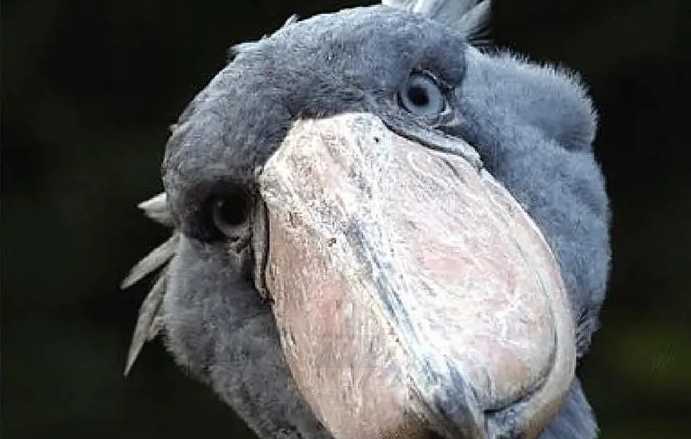
Balaeniceps rex: The Majestic Shoebill Stork of African WetlandsBalaeniceps rex: The Majestic Shoebill Stork of African WetlandsBalaeniceps rex, commonly known as the shoebill stork, is an imposing and enigmatic large wading bird that commands attention with its unique appearance and elusive nature. Endemic to the vast swampy wetlands of central and eastern Africa, this species stands as a symbol of the continent’s rich aquatic ecosystems and the delicate balance of its natural habitats.