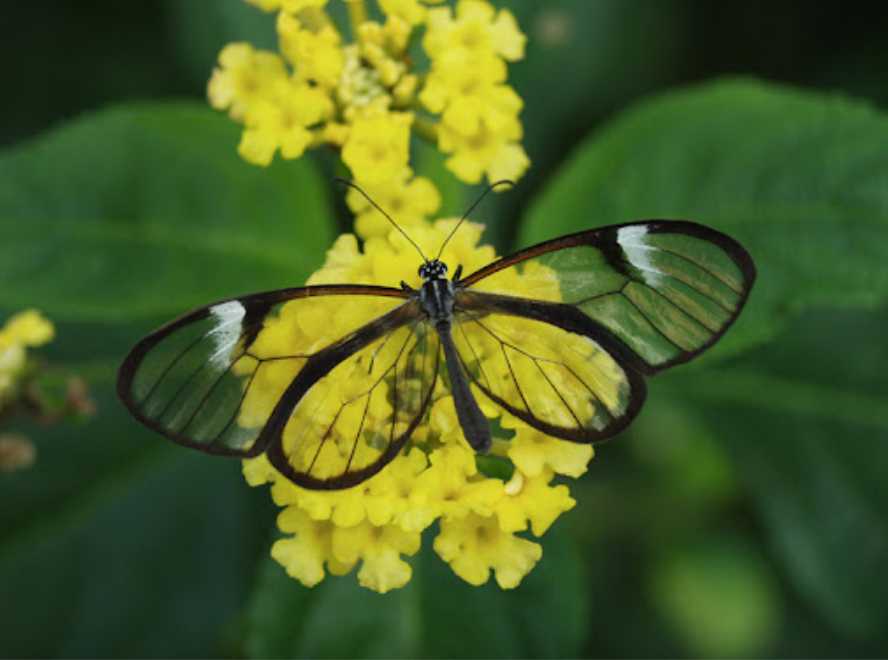
The Glasswing Butterfly: Nature’s Transparent Wonder Hunted for Its Elusive BeautyThe Glasswing Butterfly: Nature’s Transparent Wonder Hunted for Its Elusive Beauty
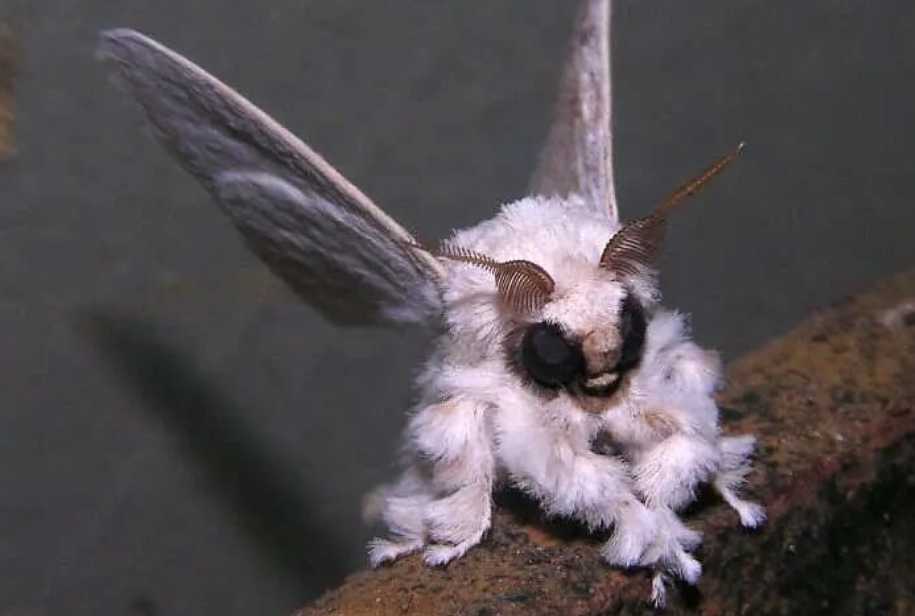
Mysterious 'Poodle Moth' Captivates Scientists After 2009 Venezuelan DiscoveryMysterious 'Poodle Moth' Captivates Scientists After 2009 Venezuelan Discovery
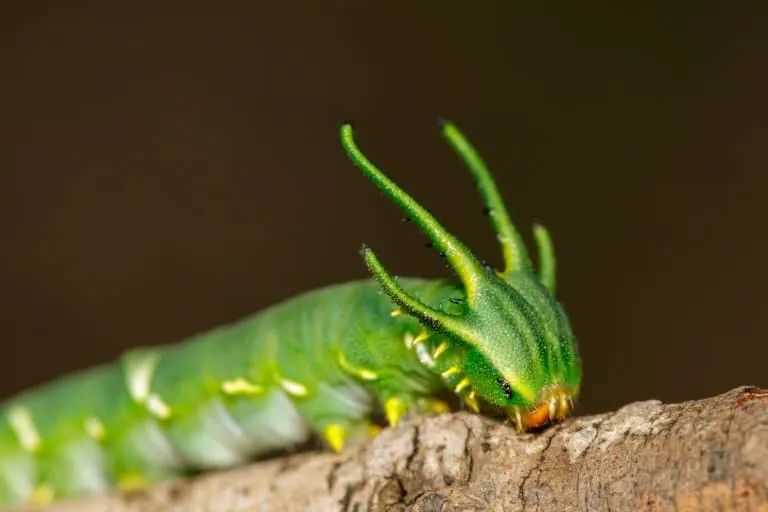
The Dragon Head Caterpillar: Nature’s Dramatic Mimic with a Widespread SurpriseThe Dragon Head Caterpillar: Nature’s Dramatic Mimic with a Widespread Surprise
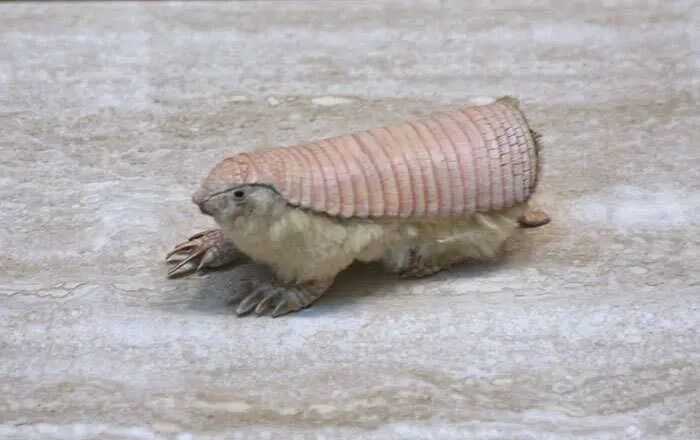
The Pink Fairy Armadillo: World’s Tiniest Armor-Clad Wonder with a Fluffy Pink HueThe Pink Fairy Armadillo: World’s Tiniest Armor-Clad Wonder with a Fluffy Pink Hue
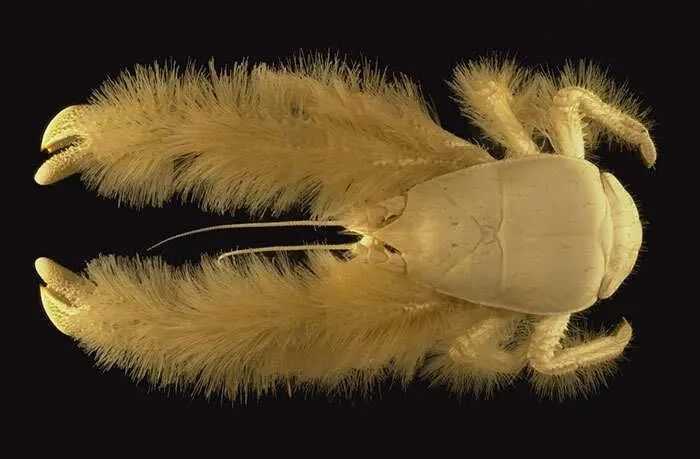
The Yeti Crab: Deep-Sea Marvel Renowned for Its Golden-Haired LegsThe Yeti Crab: Deep-Sea Marvel Renowned for Its Golden-Haired LegsAlso known as the Hoff crab, the yeti crab (Kiwa hirsuta) has captivated marine biologists with its most striking feature: legs and claws entirely covered in dense, golden bristles. Discovered in 2005 near hydrothermal vents in the South Pacific, this crustacean belongs to the family Kiwidae and thrives in some of the ocean’s most extreme environments.
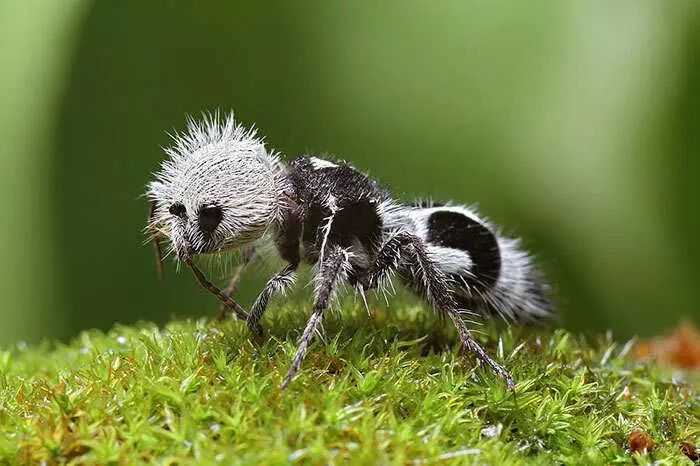
The Panda Ant: Deceptive Black-and-White 'Ant' That's Actually a Wingless WaspThe Panda Ant: Deceptive Black-and-White 'Ant' That's Actually a Wingless WaspDespite its name and ant-like appearance, the panda ant (Myrmecopsis sp.) is a wingless wasp belonging to the family Mutillidae. Found in arid regions of Chile and parts of Argentina, this striking insect has captivated entomologists with its black-and-white coloration—a pattern that belies its true identity and hides a painful secret.
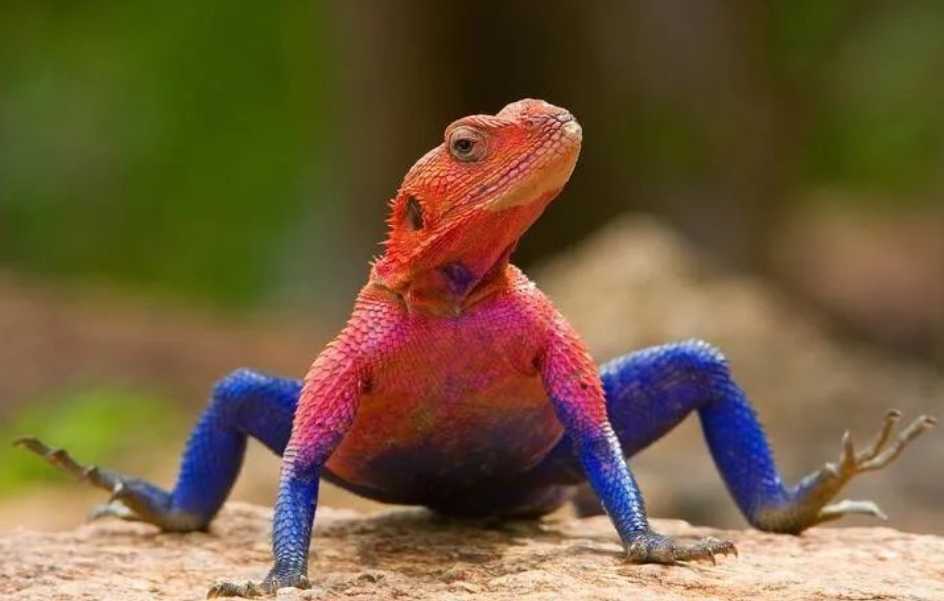
The Mwanza Flat-headed Iguana: Nature’s Real-Life 'Spiderman' with Iconic Red-Blue ColorationThe Mwanza Flat-headed Iguana: Nature’s Real-Life 'Spiderman' with Iconic Red-Blue ColorationResembling a creature straight from a comic book, the Mwanza flat-headed iguana (Agama mwanzae) has earned global attention for its striking red and blue coloration—an uncanny resemblance to Spider-Man. Native to eastern Africa (not South America, despite common misconceptions), this lizard thrives in rocky habitats from Tanzania to Kenya, using its vibrant hues for both survival and social signaling.
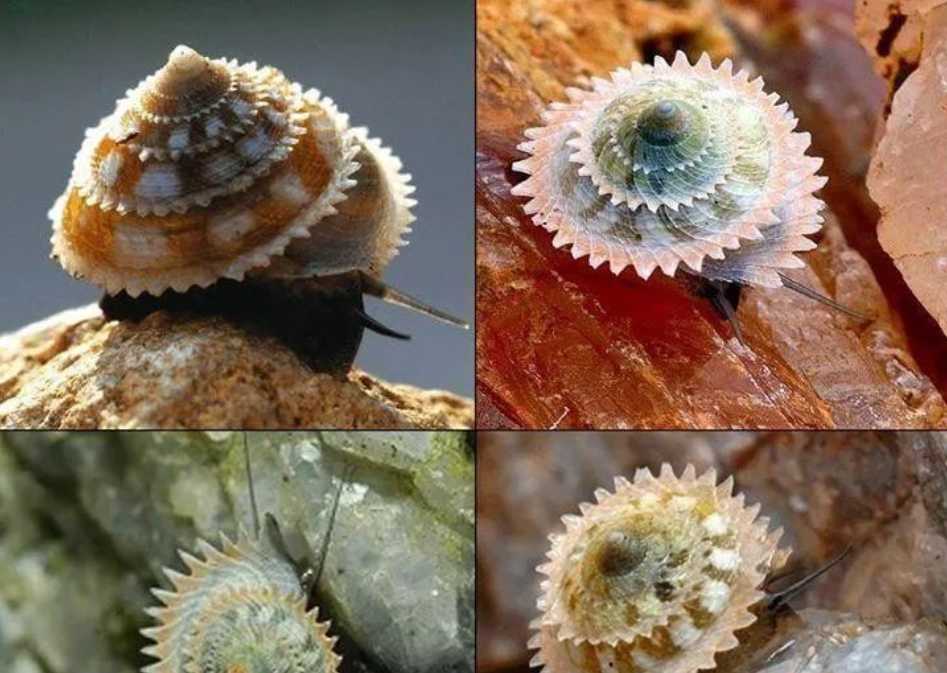
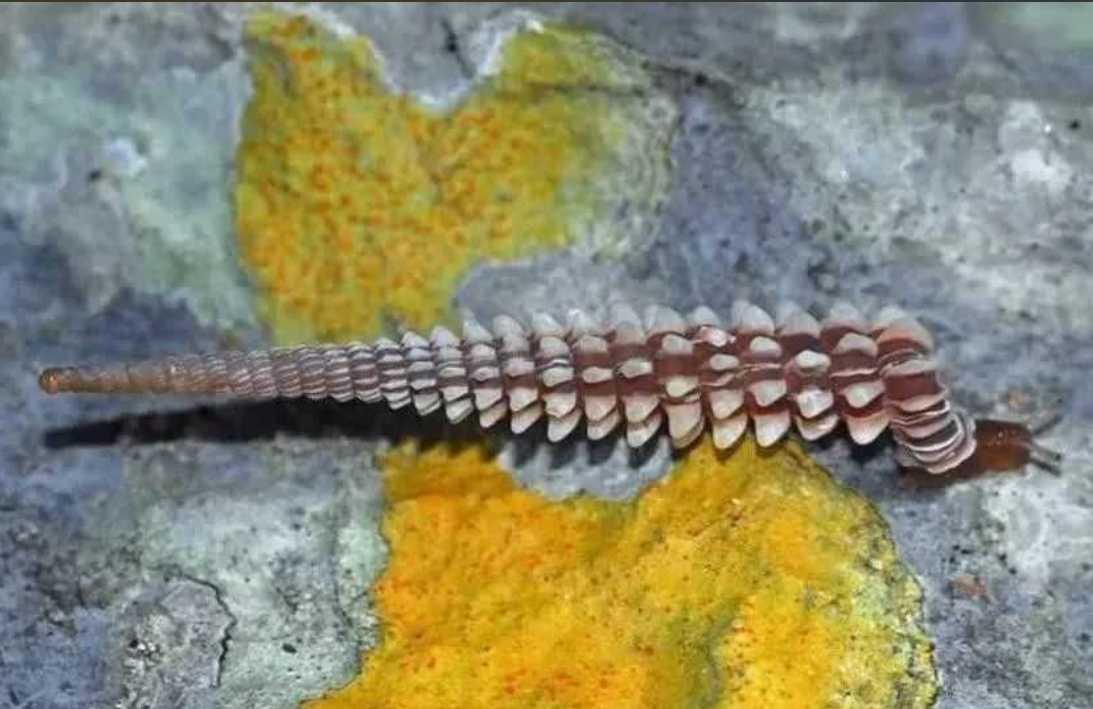
Cuba’s Iconic Star-Wheeled Saw Snail: A Serrated Marvel Unique to Earth’s EcosystemsCuba’s Iconic Star-Wheeled Saw Snail: A Serrated Marvel Unique to Earth’s EcosystemsNative to Cuba’s limestone-rich regions, the star-wheeled saw snail (Priotrochatella stellata) stands as a testament to nature’s evolutionary artistry. This critically endangered gastropod, endemic to the Caribbean island, is instantly recognizable by its geometrically serrated shell—unmatched by any other snail species. Discovered in the mid-19th century, this 12–15 mm mollusk thrives in humid forests despite mounting threats.
Cuba’s Enigmatic Callonia Snail: Scaled Funnel Shell Redefines Mollusk MorphologyCuba’s Enigmatic Callonia Snail: Scaled Funnel Shell Redefines Mollusk MorphologyEndemic to Cuba’s mist-shrouded mountain ranges, the Callonia snail (genus Callonia) perplexes biologists with its scale-covered, funnel-shaped shell—an evolutionary departure unmatched in the mollusk kingdom. Discovered in the 1930s, this rare gastropod thrives in cloud forests above 1,000 meters, its unique form hinting at adaptations to Cuba’s karst landscapes. Though poorly studied, its striking shell has become a symbol of island biodiversity under threat.
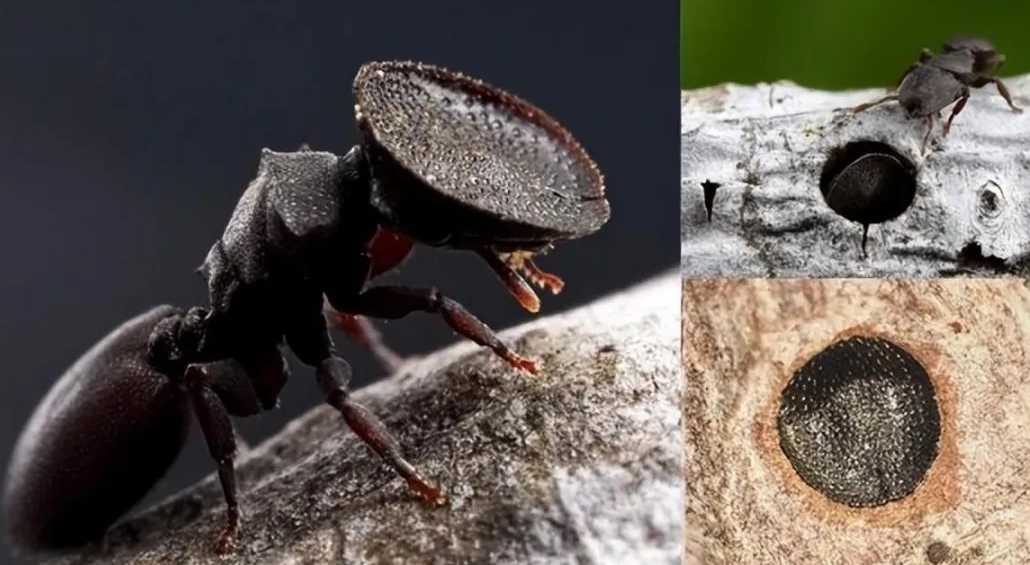
The Helmeted Turtle Ant: America’s Living Shield with a Disc - Shaped HeadThe Helmeted Turtle Ant: America’s Living Shield with a Disc - Shaped HeadNative to the tropical forests of the Americas, the helmeted turtle ant (Cephalotes varians) is renowned for its flattened, disc - like head that resembles a natural shield. A member of the turtle ant genus, this species has evolved an extraordinary defense mechanism: when threatened, worker ants plug their nest entrances with their armored heads, acting as living barricades to fend off intruders.
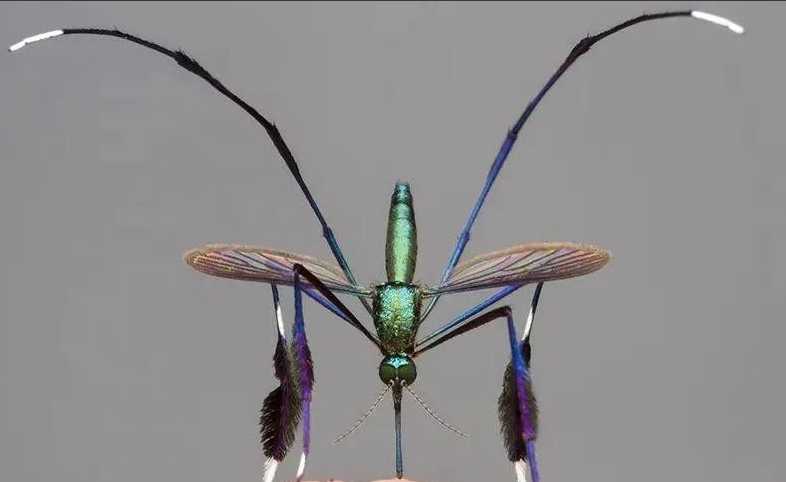
The Indigo Mosquito: South America’s Stunning yet Deadly Rainforest JewelThe Indigo Mosquito: South America’s Stunning yet Deadly Rainforest JewelRegarded as the world’s most beautiful mosquito, the indigo mosquito (Sabethes cyaneus) mesmerizes with its iridescent metallic blue and purple hues, while its legs shimmer in feathery scales. Native to South America’s rainforests, this species’ dazzling appearance masks a dangerous reality: it’s a blood-sucking vector of yellow fever, blending aesthetic splendor with biological threat.