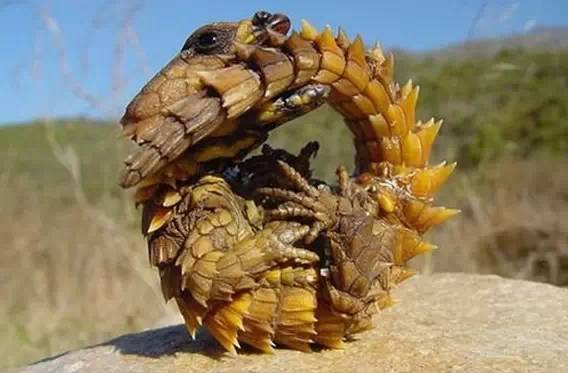
The Thorny Devil: Australia’s Armor-Plated Lizard with a Unique Survival StrategyThe Thorny Devil: Australia’s Armor-Plated Lizard with a Unique Survival Strategy
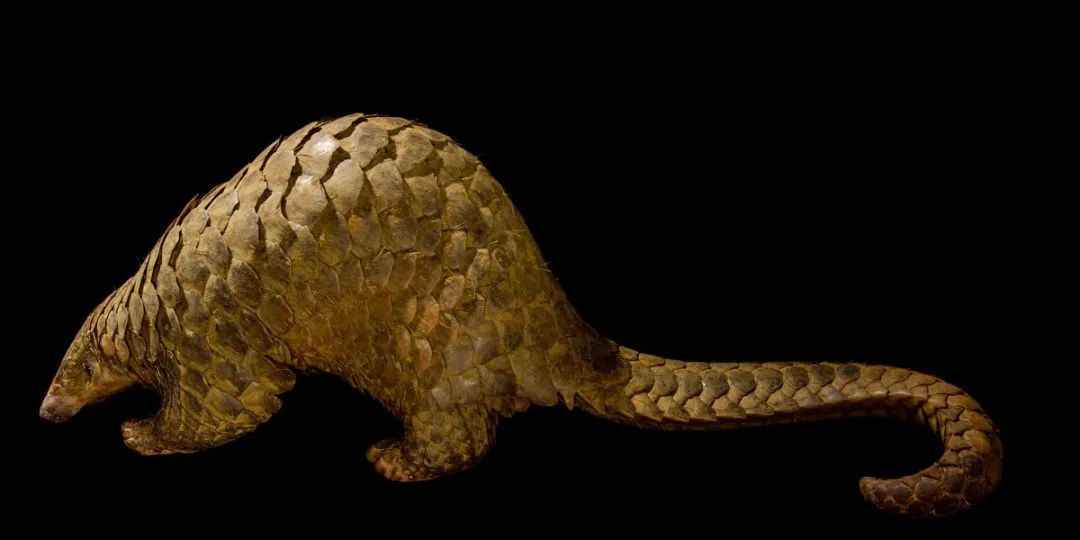
Critically Endangered: The Urgent Crisis Facing the Sunda PangolinCritically Endangered: The Urgent Crisis Facing the Sunda Pangolin
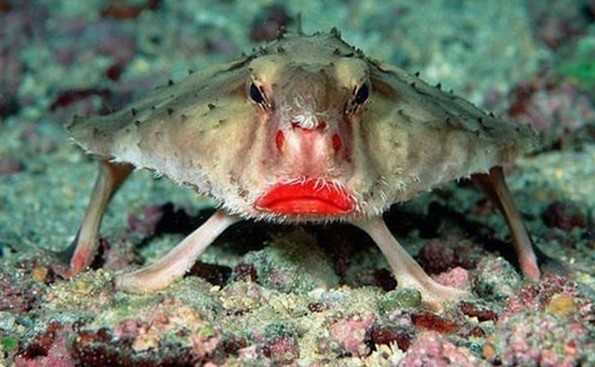
The Red-Lipped Batfish: Galápagos’ Quirky Underwater Celebrity with a Pouty Predatory StyleThe Red-Lipped Batfish: Galápagos’ Quirky Underwater Celebrity with a Pouty Predatory Style
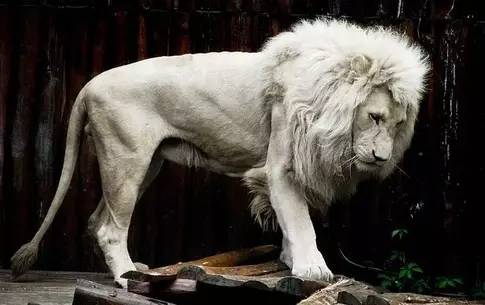
The Albino Lion: Rare Genetic Marvel and Cultural Icon of the SavannaThe Albino Lion: Rare Genetic Marvel and Cultural Icon of the Savanna
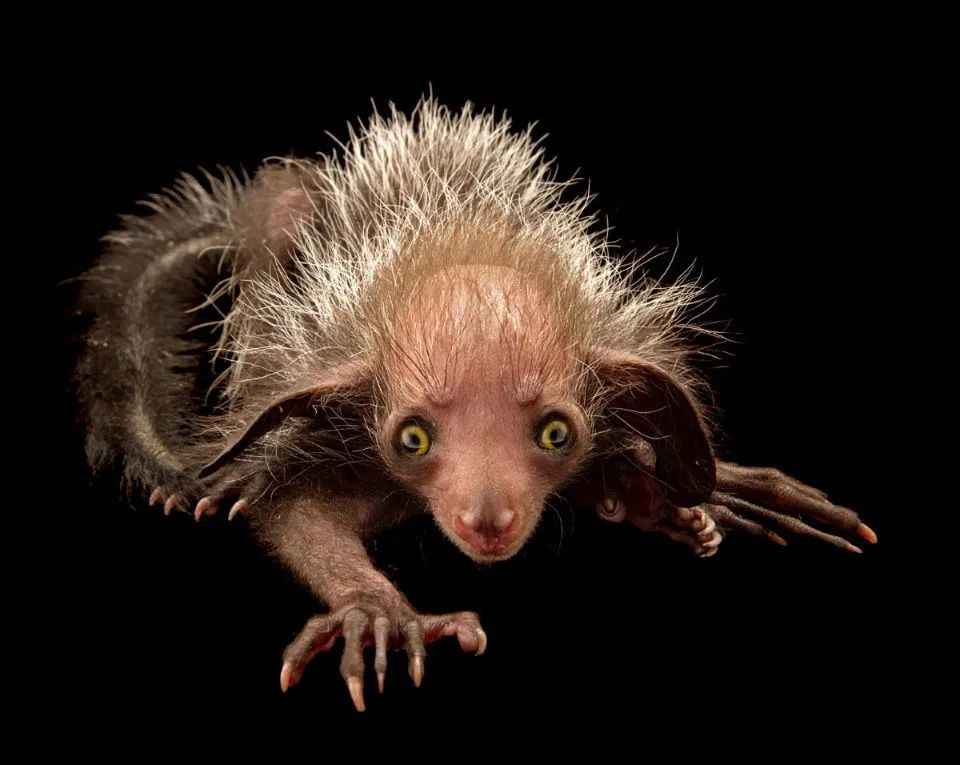
Madagascar's Aye-Aye: Endangered Creature Haunted by 'Cursed' DigitMadagascar's Aye-Aye: Endangered Creature Haunted by 'Cursed' DigitDeep within Madagascar's rainforests resides one of Earth's most peculiar primates—the aye-aye (Daubentonia madagascariensis). A unique mammal, it boasts a remarkable adaptation: an extraordinarily slender, elongated middle finger. This specialized digit, the most dexterous part of its body, serves as a vital survival tool, acting like a precision probe to extract insect larvae from tree bark crevices or scoop out fruit pulp, perfectly suited to foraging in the complex jungle environment.
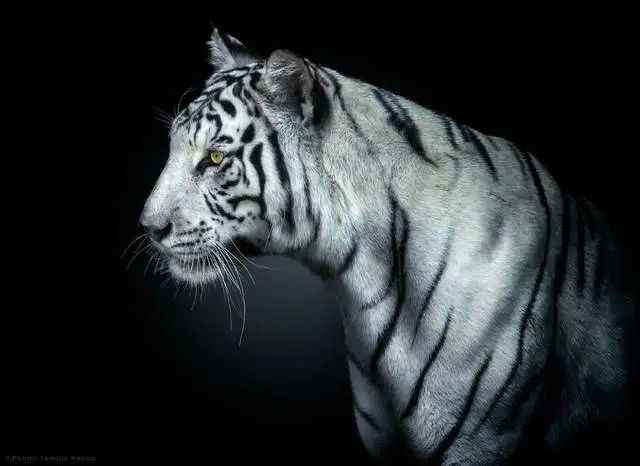
Bengal Tigers in Crisis: Over 96% of Wild Population Lost in a CenturyBengal Tigers in Crisis: Over 96% of Wild Population Lost in a CenturyThe global population of Bengal tigers currently stands at approximately 24,000, but a closer look at the figures reveals a worrying reality: only around 3,200 of these majestic creatures live in their natural wild habitats, while nearly 20,000 are in captivity. This stark contrast becomes even more alarming when compared to historical records.
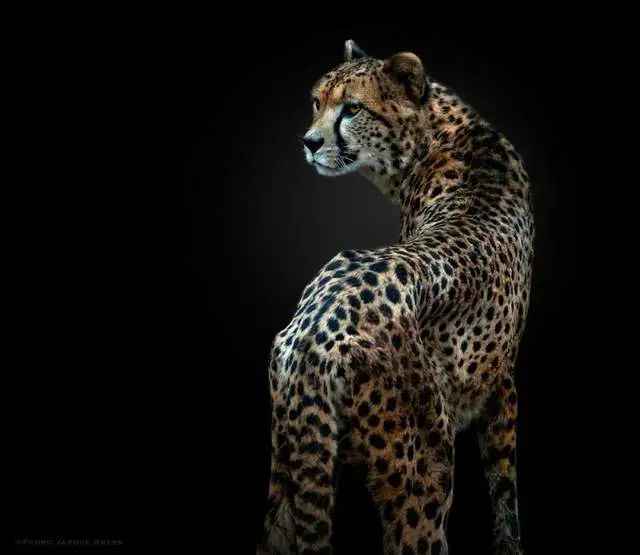
Cheetah Populations Collapse: Iconic African Species Edges Toward ExtinctionCheetah Populations Collapse: Iconic African Species Edges Toward ExtinctionNAIROBI, Kenya — July 18, 2025 — Once numbering around 100,000 across Africa in the 20th century, the cheetah population has plummeted to a mere 7,500 individuals today, pushing the world’s fastest land animal onto an ever-growing list of species teetering on the brink of extinction. This dramatic decline underscores a crisis that threatens to erase one of Africa’s most iconic predators.
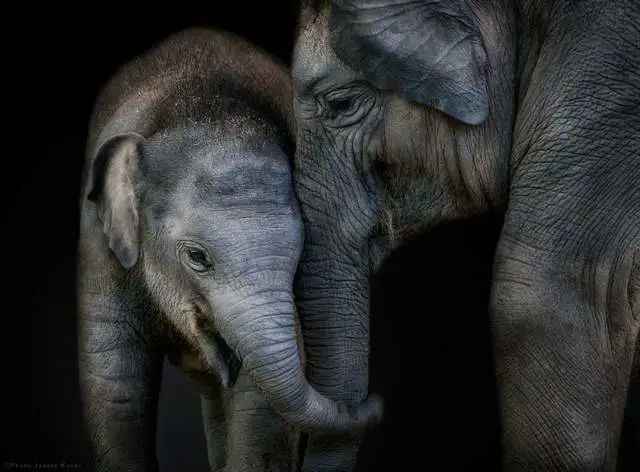
Asian Elephants vs. African Elephants: Key Differences, Hybridization Barriers, and Shared EndangermentAsian Elephants vs. African Elephants: Key Differences, Hybridization Barriers, and Shared EndangermentAsian elephants and African elephants, the two largest land mammals on Earth, exhibit numerous distinct differences and face significant genetic barriers to interbreeding.
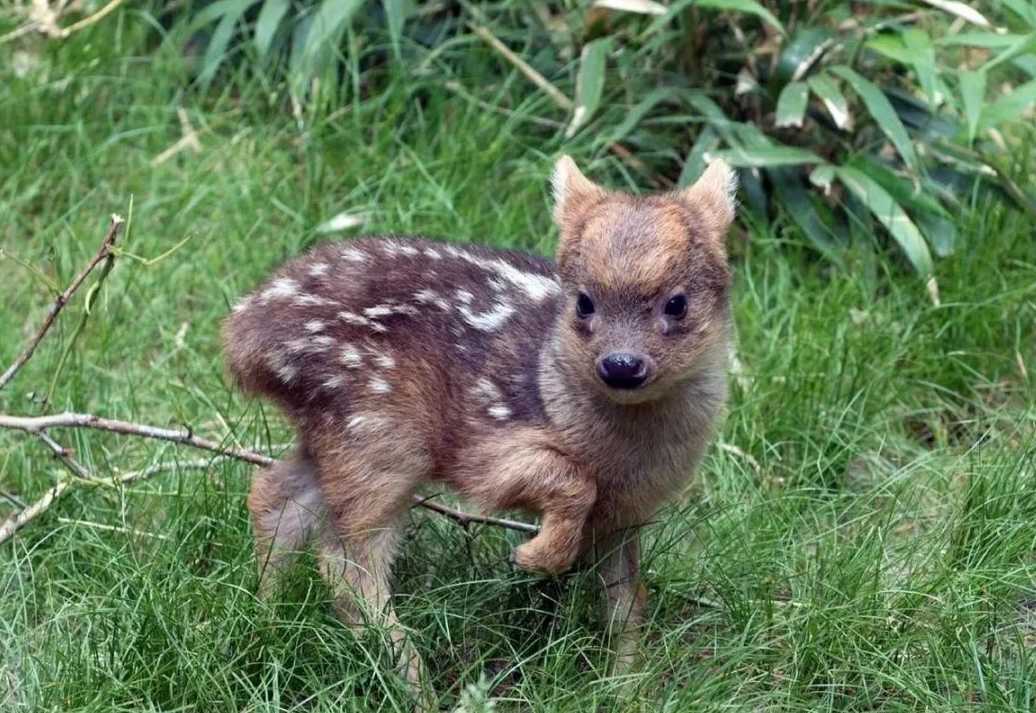
The World’s Tiniest Deer: Pudu, a Pocket-Sized Marvel of the AndesThe World’s Tiniest Deer: Pudu, a Pocket-Sized Marvel of the AndesHolding the title of Earth’s smallest deer, the pudu (Pudu pudu and Pudu mephistophiles) enchants biologists with its miniature stature—standing just 30 to 40 centimeters tall as an adult. Native to the Andean forests of Chile and Argentina, this deer species defies expectations with its rabbit-like size, short tail, and endearing appearance, thriving in dense undergrowth where larger ungulates cannot venture.
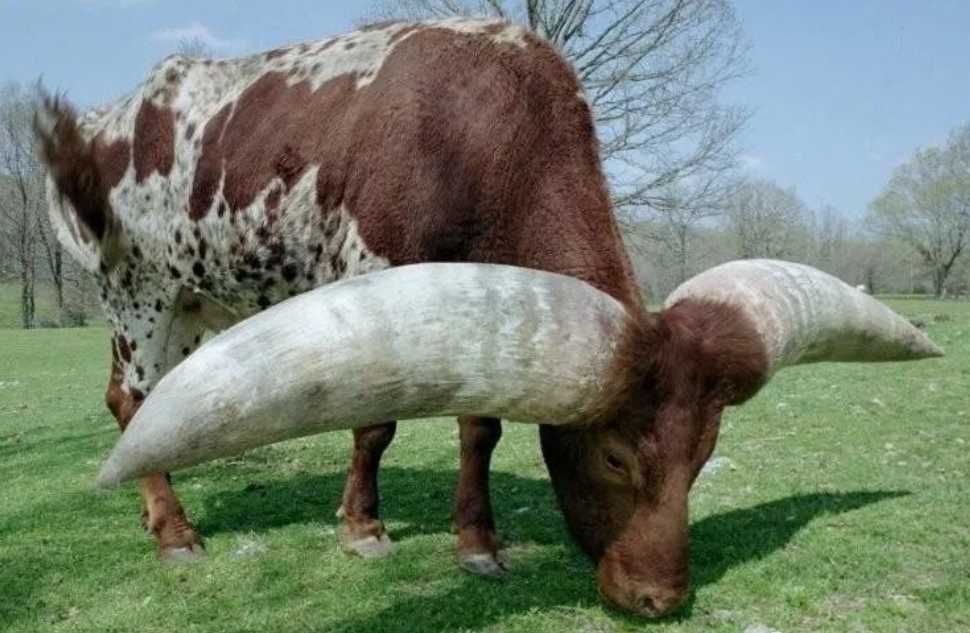
The Watusi Cattle: Africa’s Majestic Horned Giants with Cooling SuperpowersThe Watusi Cattle: Africa’s Majestic Horned Giants with Cooling SuperpowersNative to southern Africa, the Watusi cattle (also known as Ankole-Watusi) command attention with their extraordinary horns—measuring up to 2.4 meters from tip to tip when fully grown. More than just a defensive weapon, these iconic appendages house a biological marvel: a honeycomb structure that acts as a natural radiator, cooling the bloodstream before it circulates through the body.
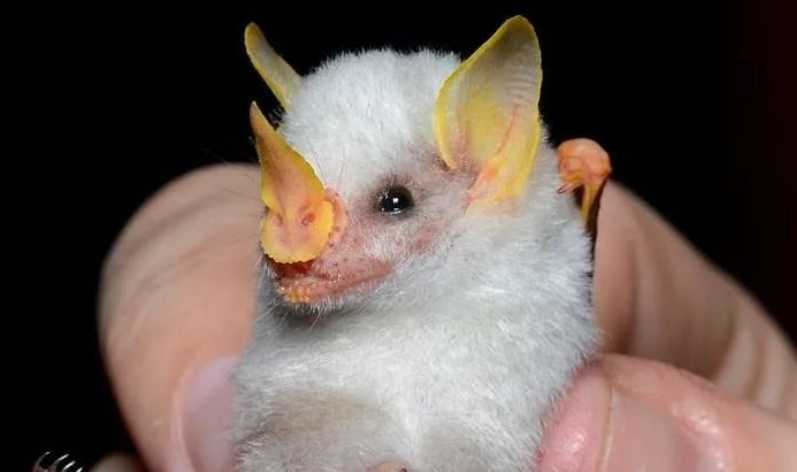
The Honduran White Bat: Nature’s Fluffy, Pastel-Colored Flying PuffballThe Honduran White Bat: Nature’s Fluffy, Pastel-Colored Flying PuffballHailed as the world’s cutest bat, the Honduran white bat (Ectophylla alba) charms with its snowy-white fur, vibrant orange nose, ears, and wings—a whimsical color palette that defies all bat stereotypes. Native to the rainforests of Central America (Honduras, Nicaragua, Costa Rica, and Panama), this tiny chiropteran measures just 3–5 cm long, making it one of the smallest bat species on Earth. Its cottony appearance and miniature size have earned it a reputation as the "teddy bear of the bat world."