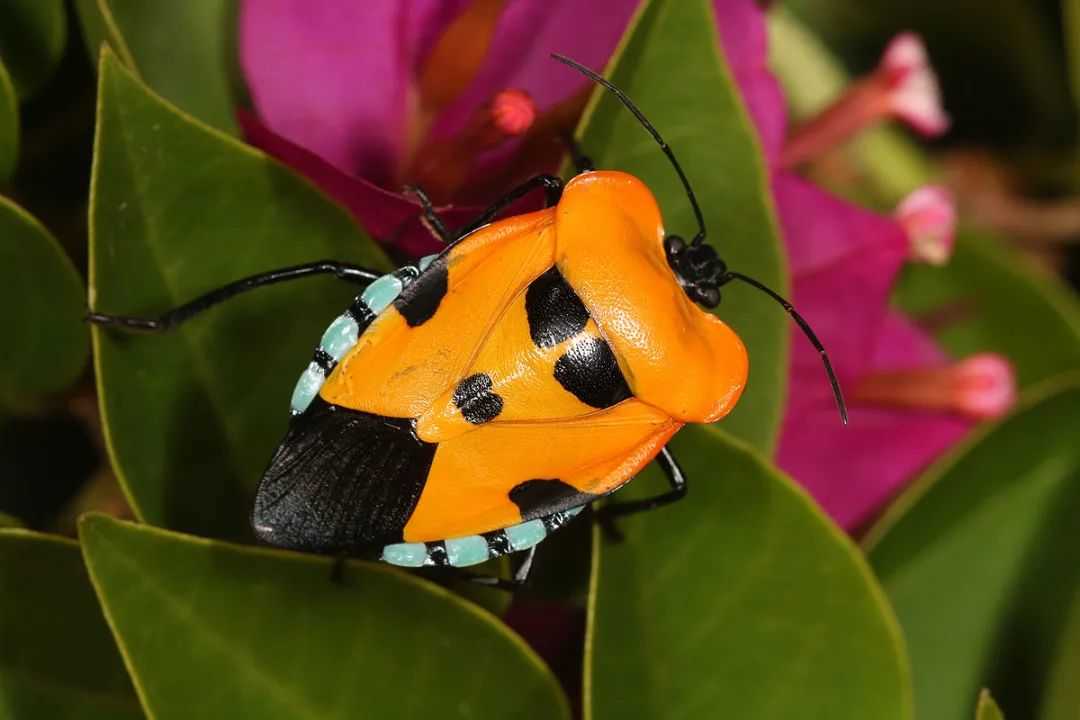
Hemiptera: The Diverse 'True Bugs' Shaping Ecosystems and Human InteractionsHemiptera: The Diverse 'True Bugs' Shaping Ecosystems and Human Interactions
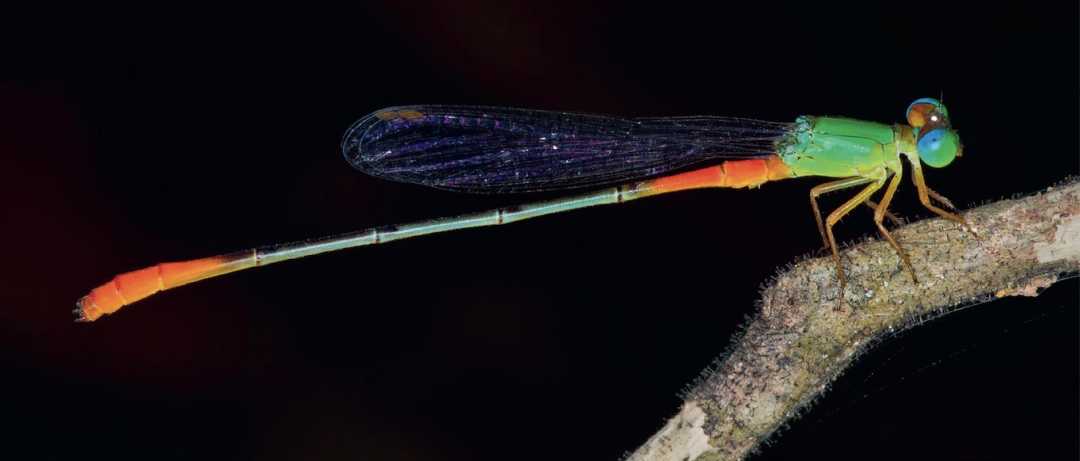
Stunning Damselfly Brightens Sri Lankan Rainforests: The Vibrant Ceriagrion cerinorubellumStunning Damselfly Brightens Sri Lankan Rainforests: The Vibrant Ceriagrion cerinorubellum
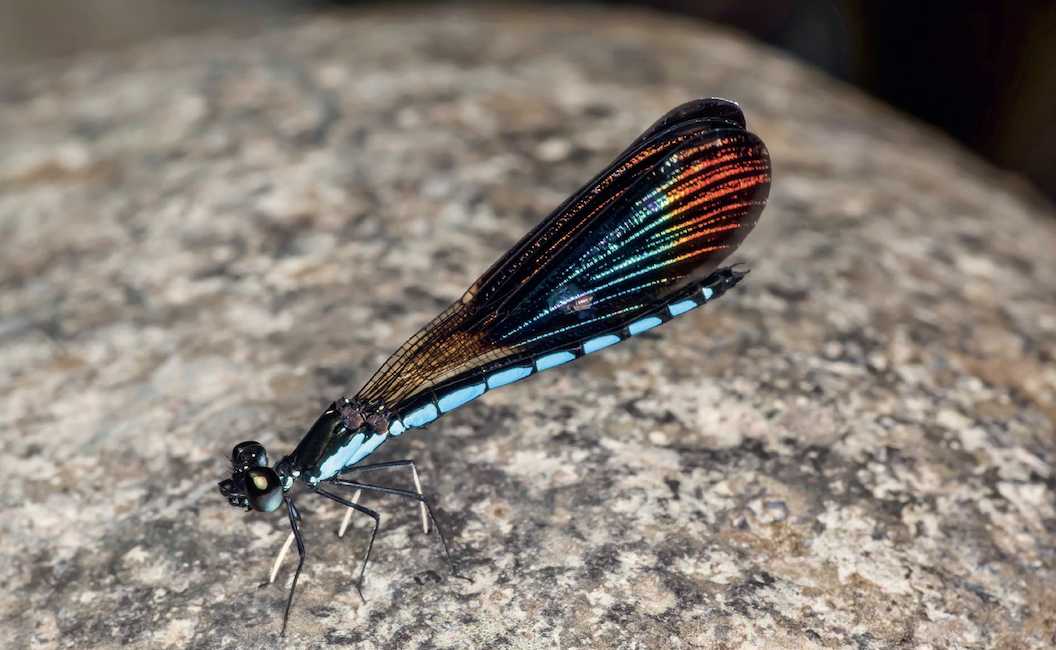
Metallic-Winged Rhinocypha sp. from Indonesian Streams Dazzles with Optical MagicMetallic-Winged Rhinocypha sp. from Indonesian Streams Dazzles with Optical Magic
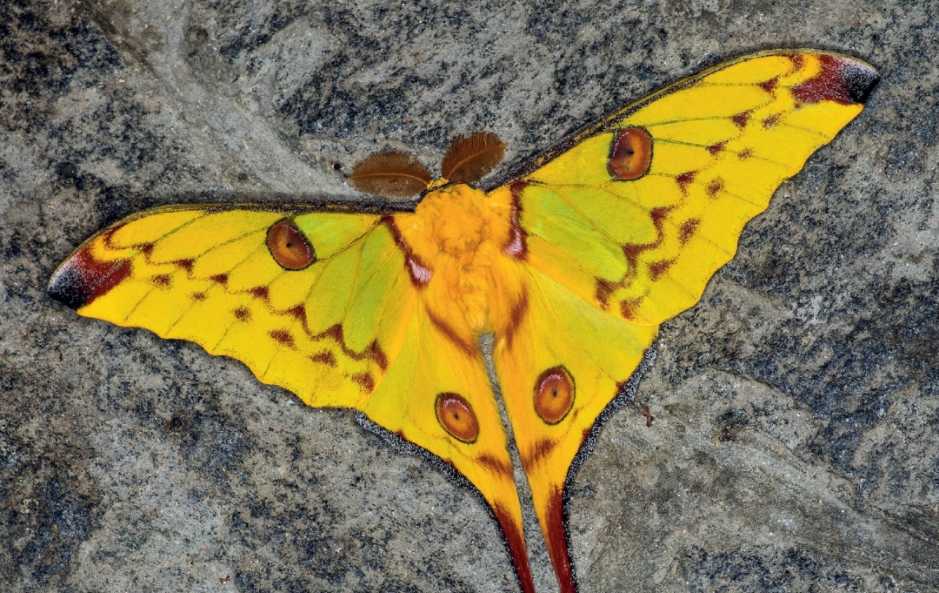
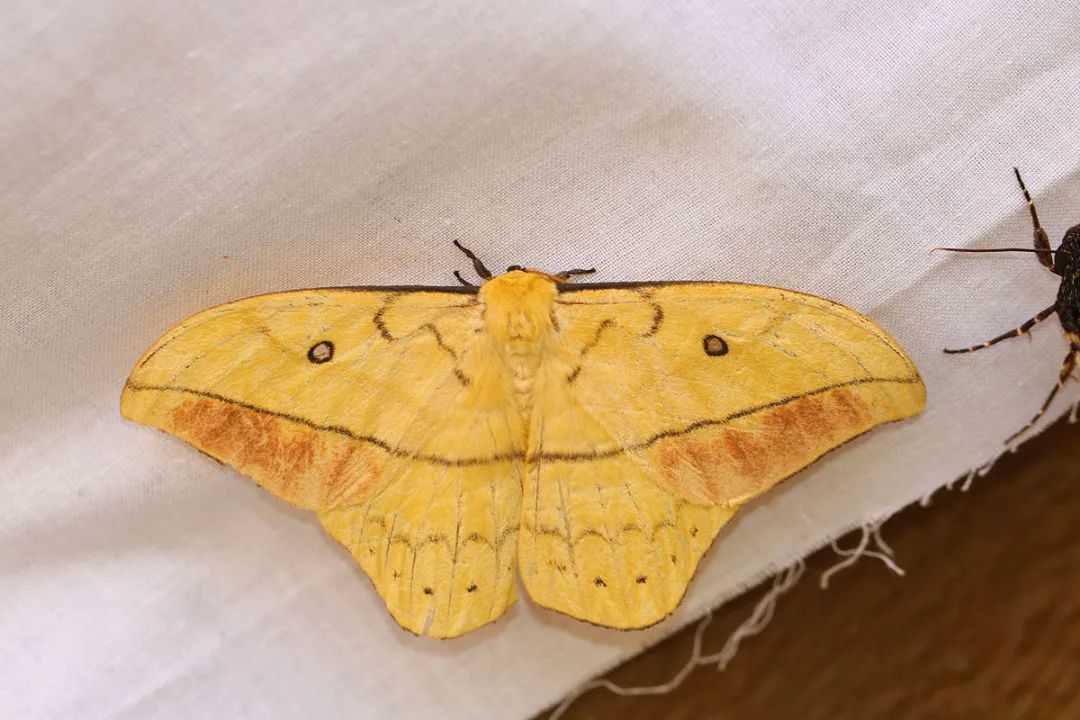
Argema mittrei: Madagascar's Majestic Comet Moth with Dazzling Tail TrailsArgema mittrei: Madagascar's Majestic Comet Moth with Dazzling Tail Trails
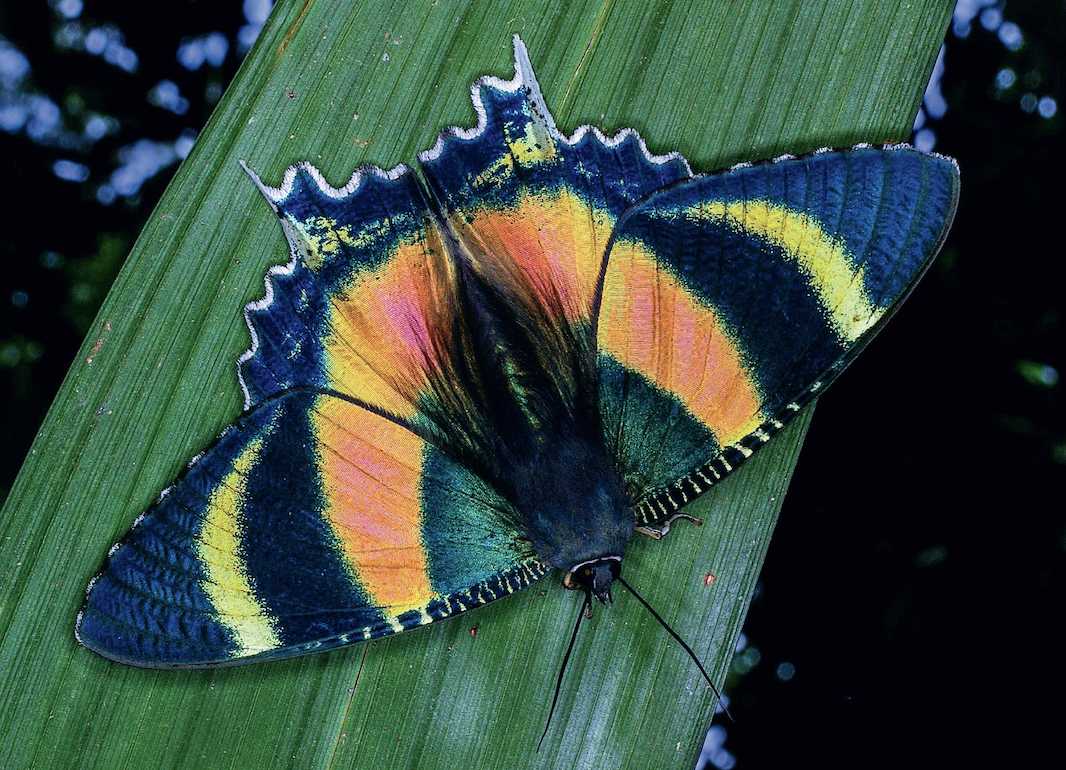
Alcides metaurus: Australia's Butterfly-Mimicking Moth Swarms Tropical RainforestsAlcides metaurus: Australia's Butterfly-Mimicking Moth Swarms Tropical RainforestsHailing from the tropical regions of eastern Australia, the Alcides metaurus—a striking moth resembling a butterfly—captivates with its vibrant appearance. With wingspans mirroring lepidopteran elegance, this species blurs the line between moths and butterflies, featuring iridescent hues and delicate patterns that mimic its diurnal counterparts. Its resemblance is so profound that even entomologists sometimes do a double-take.
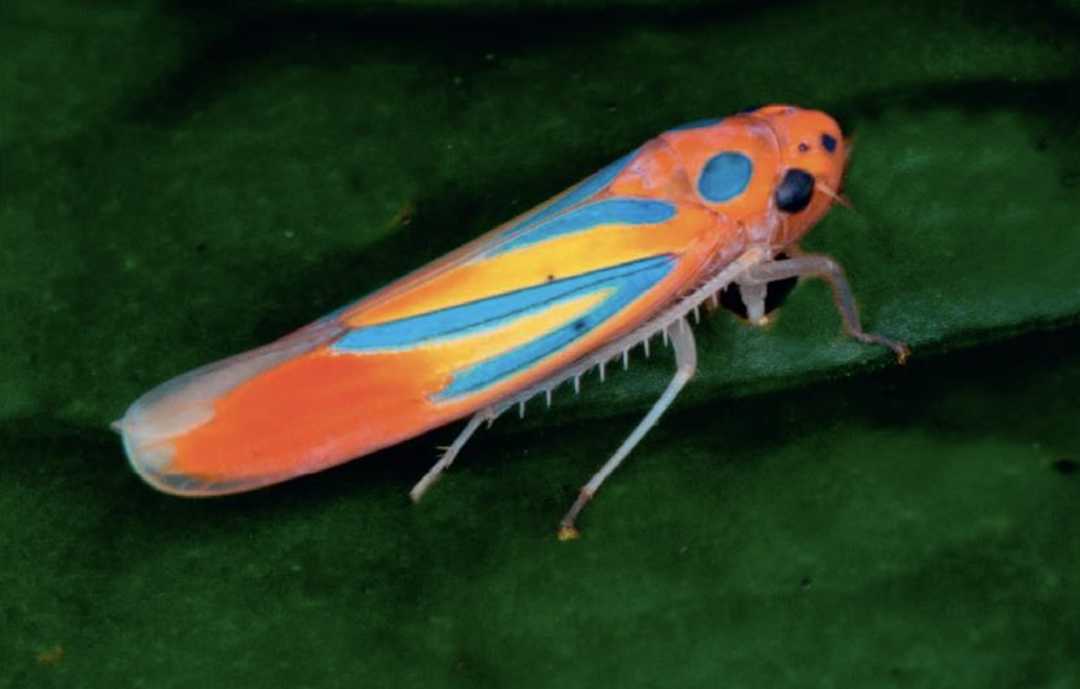
Madagascar's Vibrant Leafhopper: A Living Canvas of Blue, Yellow, and OrangeMadagascar's Vibrant Leafhopper: A Living Canvas of Blue, Yellow, and OrangeIn the lush ecosystems of Madagascar, a striking leafhopper species stands out as a masterpiece of natural coloration. Draped in bold hues of blue, yellow, and orange, this tiny insect transforms the forest understory into a living palette, its exoskeleton shimmering with the vividness of a tropical sunset. Each segment of its body seems meticulously painted, a testament to nature’s unparalleled talent for chromatic harmony.
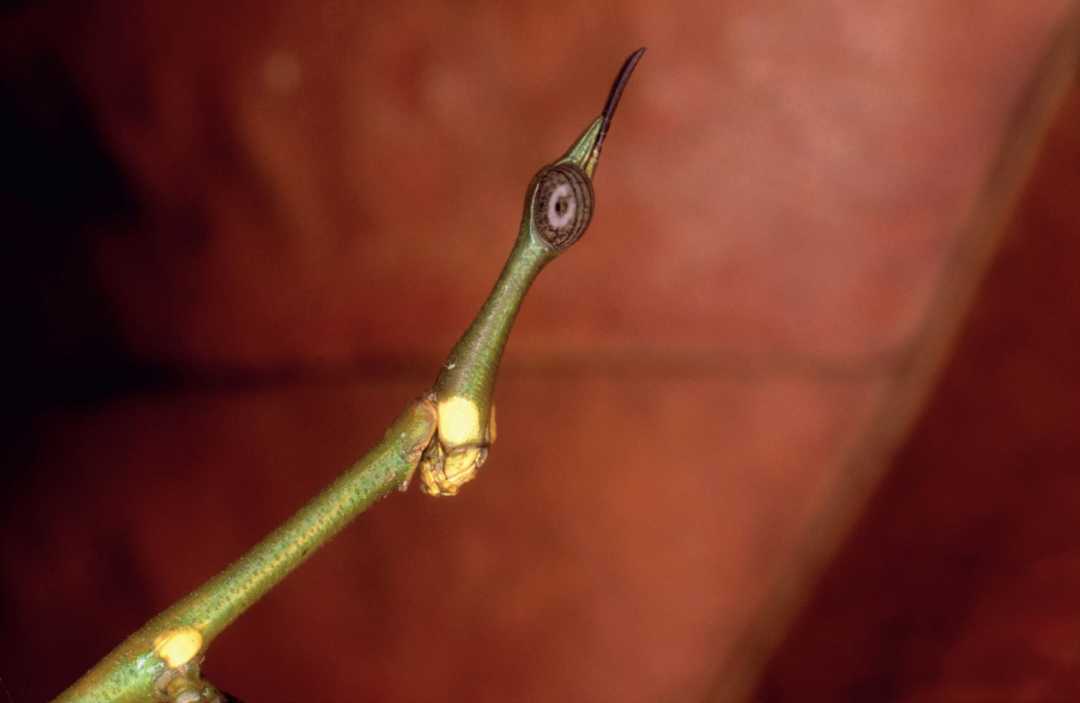
Amazon's Quirky Horsehead Grasshoppers: Proscopiidae Family Thrives in South American RainforestsAmazon's Quirky Horsehead Grasshoppers: Proscopiidae Family Thrives in South American RainforestsThe Amazon region of South America serves as a haven for Proscopiidae, commonly known as horsehead grasshoppers. At first glance, these insects bear a striking resemblance to stick insects, with elongated bodies and spindly legs that help them blend into forest foliage. But their most distinctive feature is the bulbous, horse-like shape of their heads, giving them a comical appearance that evokes smiles—some even say their clear, beady eyes and awkward posture resemble beloved childhood classmates.
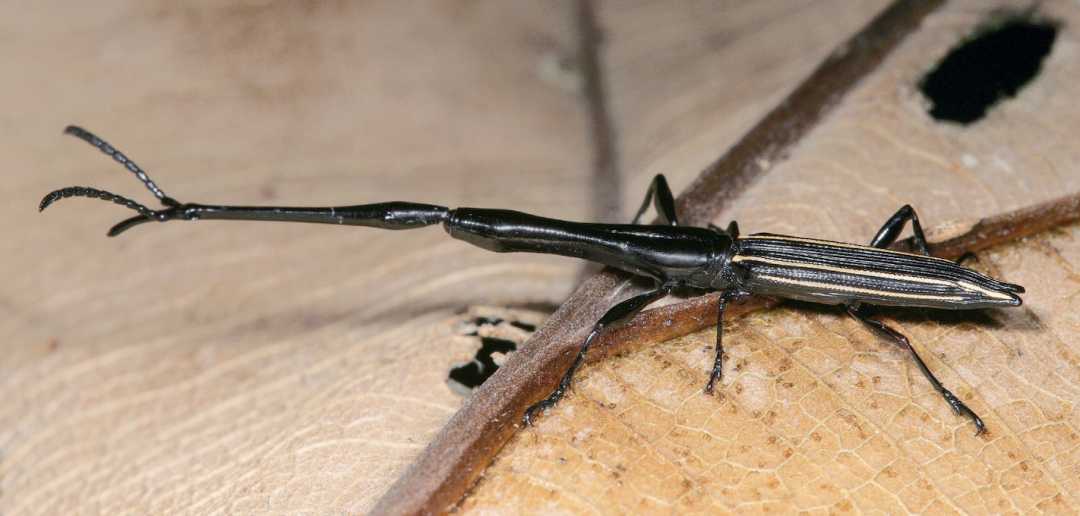
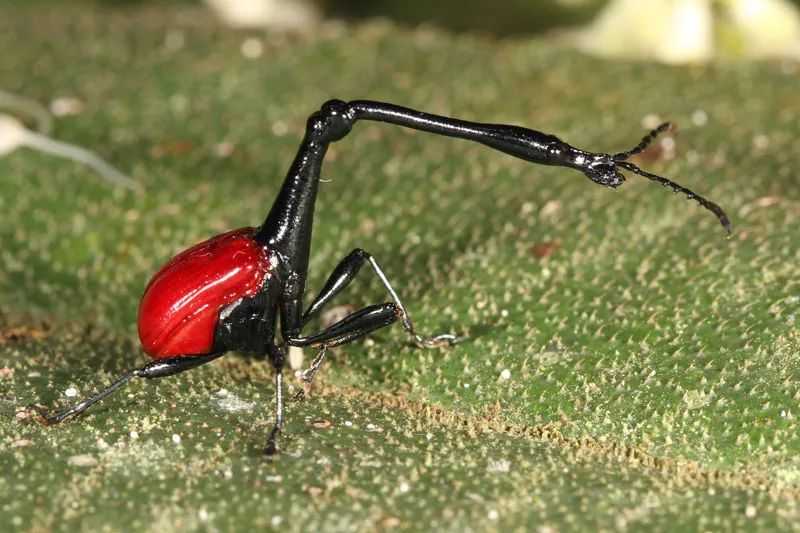
Costa Rica's Slender Weevil: The Three-Cone Beetle with a Remarkable Elongated SnoutCosta Rica's Slender Weevil: The Three-Cone Beetle with a Remarkable Elongated SnoutIn the lush rainforests of Costa Rica, the three-cone weevil (a member of the Brentidae family) stands out with its strikingly slender form, measuring 25 mm in length. Yet its most defining feature is an elongated rostrum— or "snout"—that can grow as long as its body, giving the insect a unique, almost surreal appearance. This remarkable appendage, thin and tapered, sets it apart in the diverse world of beetles.
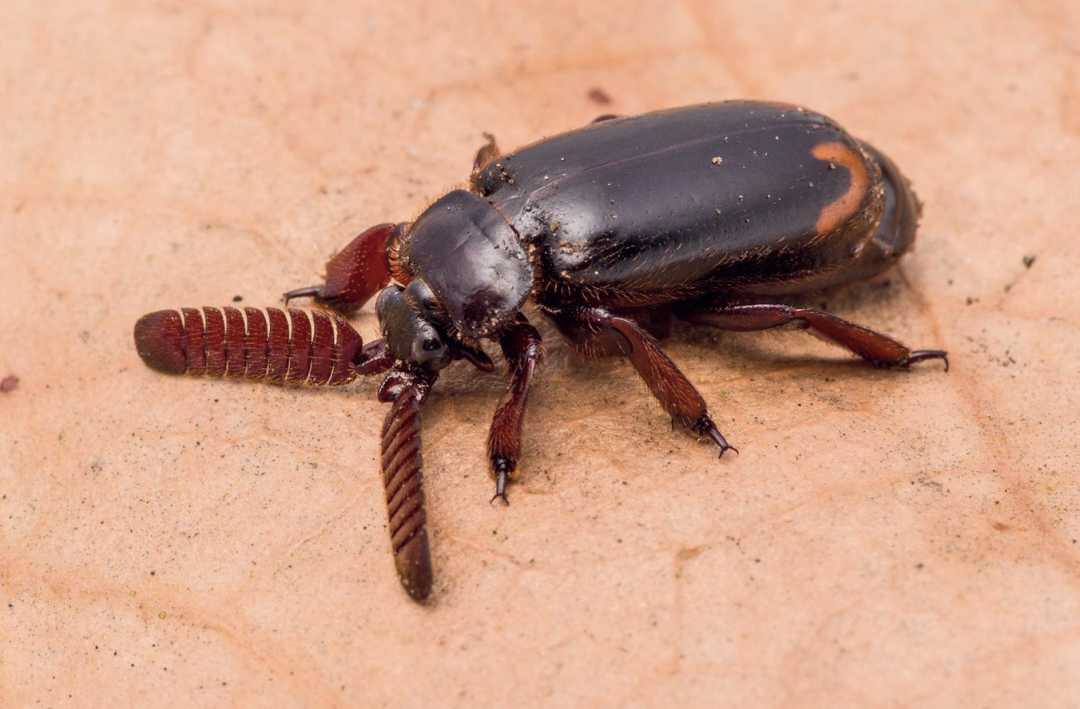
Cerapterus laceratus: Mozambique's Beetle Tricks Ants with Pheromone Mimicry and Scalding DefenseCerapterus laceratus: Mozambique's Beetle Tricks Ants with Pheromone Mimicry and Scalding DefenseThe adult and larval stages of Cerapterus laceratus, a rove beetle from Mozambique, have evolved a dual defense strategy that combines chemical trickery and fiery retaliation. By secreting compounds that mimic ant pheromones, these insects gain seamless integration into ant colonies, where they move freely without triggering aggression. This deceptive adaptation allows them to exploit ant resources while avoiding predation—a biological ruse rare in the insect world.
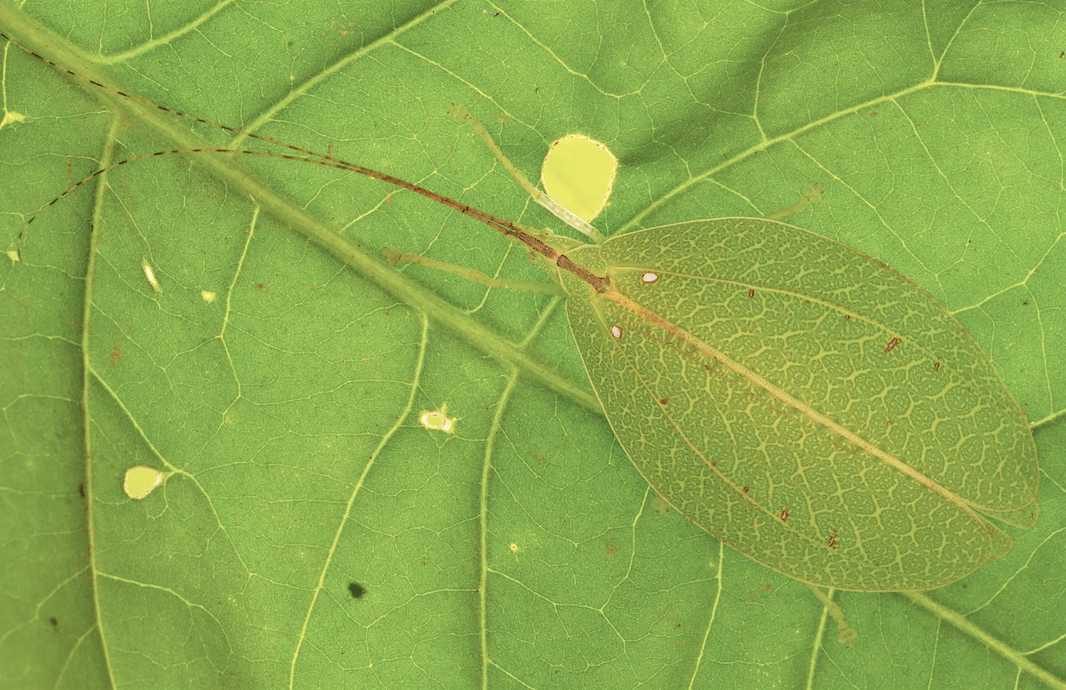
Acauloplax exigua: Mozambique's Leaf-Mimicking Katydid Blends Seamlessly with FoliageAcauloplax exigua: Mozambique's Leaf-Mimicking Katydid Blends Seamlessly with FoliageAmong the many insects that mimic leaves, the Mozambican katydid Acauloplax exigua stands out for its evolutionary mastery of camouflage. This tree-dwelling orthopteran boasts a flattened body so perfectly adapted to leaf mimicry that it vanishes against greenery, its veins and coloration mirroring the texture and hue of tropical foliage. The result is a living illusion—an insect that becomes one with its habitat at a glance.
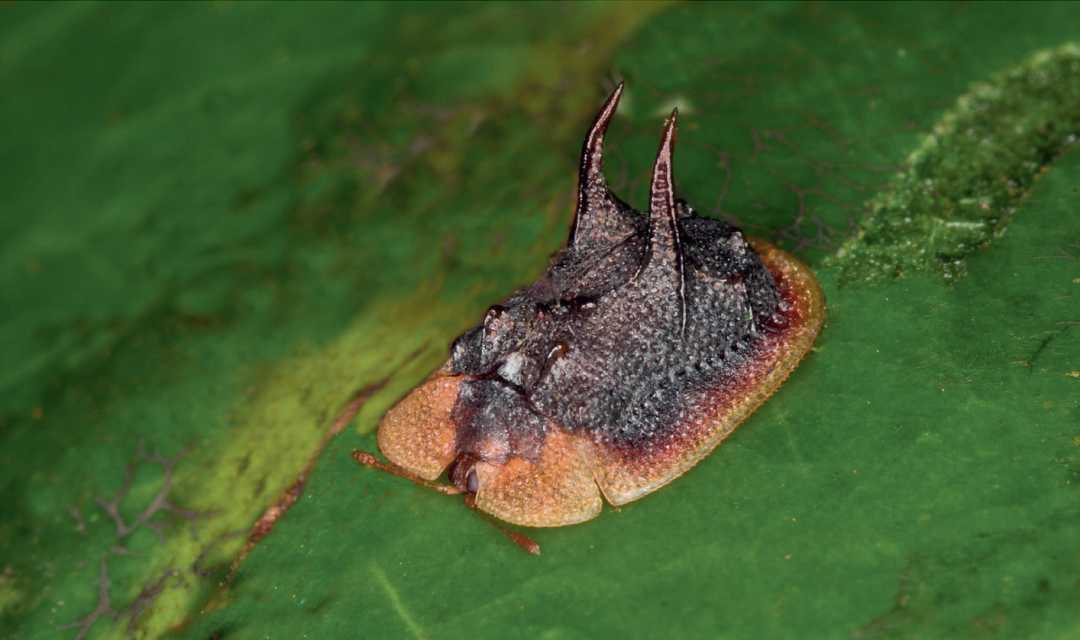
Madagascar's Demon-Horned Tortoise Beetle: A Bizarre Beauty with Fiery ProjectionsMadagascar's Demon-Horned Tortoise Beetle: A Bizarre Beauty with Fiery ProjectionsIn the realm of beetles, those adorned with devilish horns are a rarity, but a unique tortoise beetle from Madagascar defies expectations with its otherworldly appearance. This extraordinary insect sports two prominent, curved spikes on its elytra, resembling miniature demon horns that rise from its back. The contrast between its armored, domed shell and these fiery projections creates a bizarre yet captivating silhouette, making it a standout in the island’s diverse ecosystems.
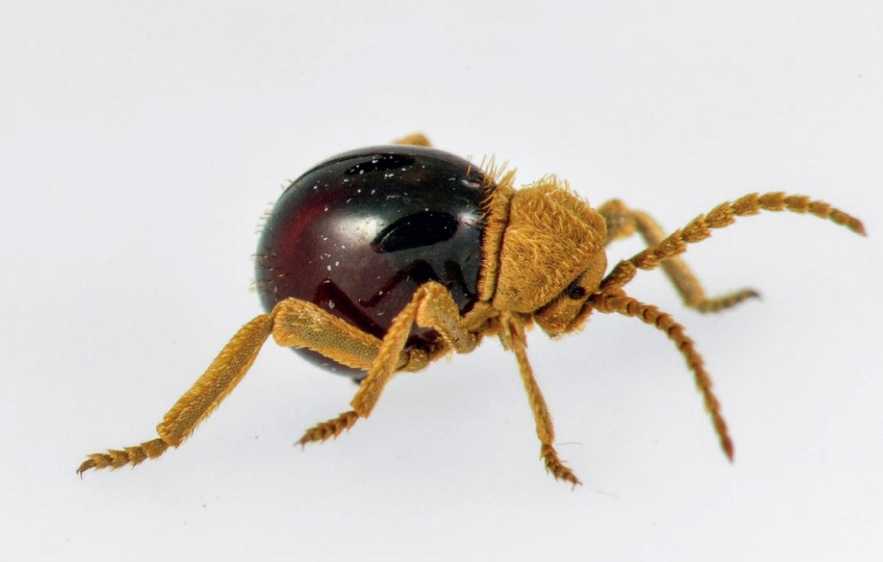
Mezium affine: America's Tiny Spider-Mimicking BeetleMezium affine: America's Tiny Spider-Mimicking BeetleMeasuring just 3 mm in length, Mezium affine is a curious beetle from the Americas that lives up to its name through remarkable arachnid mimicry. This minuscule insect has evolved physical traits that closely resemble a spider, blurring the line between beetle and arachnid at first glance. Its body shape, leg structure, and even behavioral cues work in tandem to create a convincing illusion.
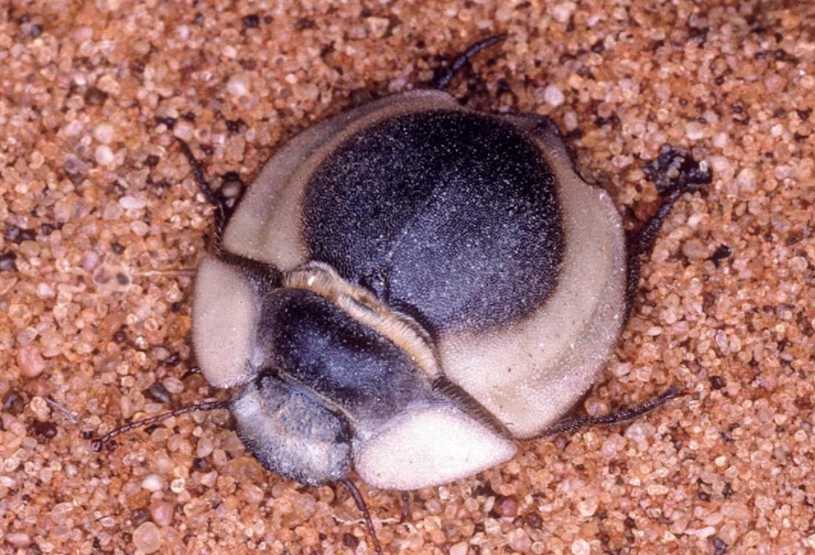
Lepidochora discoidalis: The Desert Beetle That Harvests Fog for SurvivalLepidochora discoidalis: The Desert Beetle That Harvests Fog for SurvivalAs a master of arid adaptation, Lepidochora discoidalis thrives in desert environments by transforming its body and behavior into a living water collection system. This sleek, disc-shaped beetle, native to arid regions, has evolved a glossy exoskeleton that minimizes sand adhesion, allowing it to glide effortlessly across dunes in search of food scraps. But its most remarkable trait lies in its ability to harvest moisture from the air—a crucial skill in landscapes where rainfall is almost nonexistent.
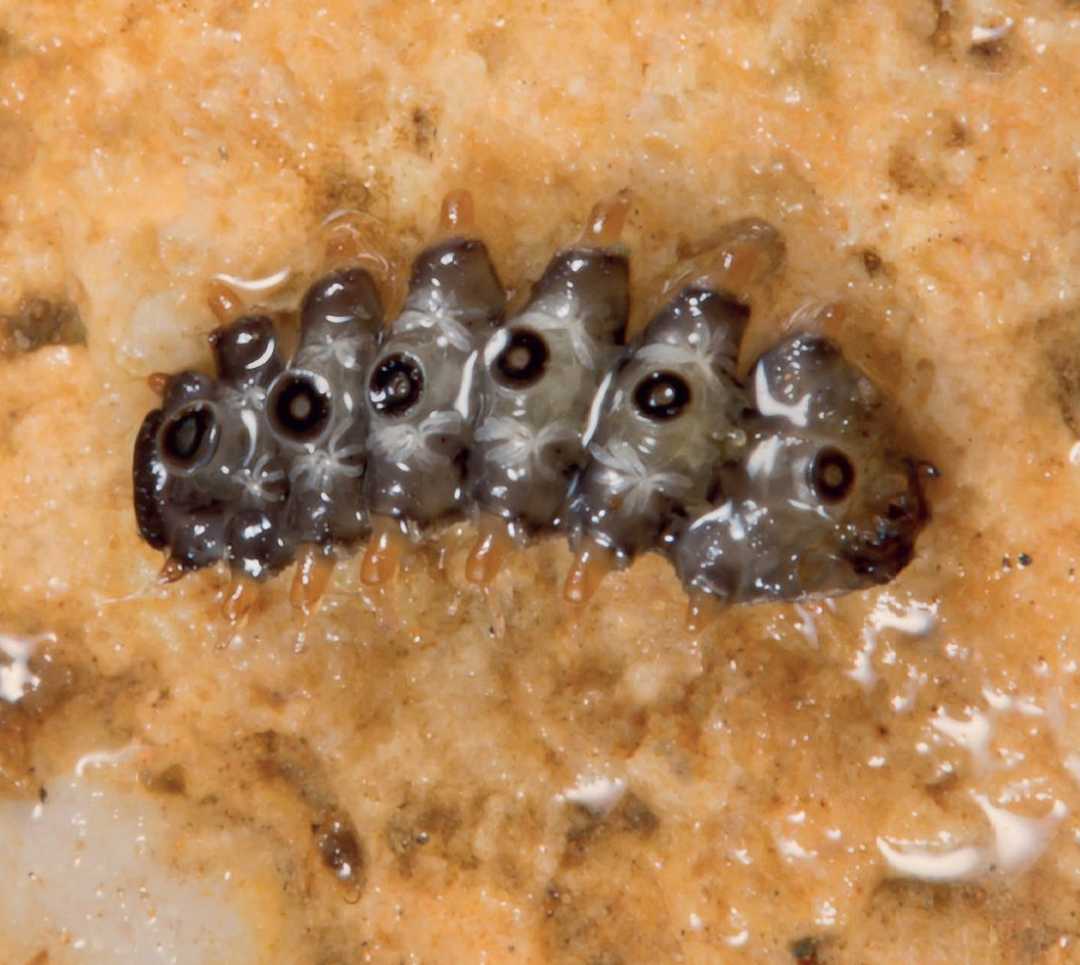
The Alien-Looking Insect of the Blephariceridae FamilyThe Alien-Looking Insect of the Blephariceridae FamilyMembers of the net-winged midge family (Blephariceridae) resemble extraterrestrial creatures, thriving in the turbulent waters of fast-flowing streams and waterfalls. Their larvae possess a remarkable adaptation: numerous suction cups on the ventral side of their bodies, allowing them to cling tenaciously to slippery rocks amid raging currents. This unique morphology enables them to withstand the force of rushing water while feeding.
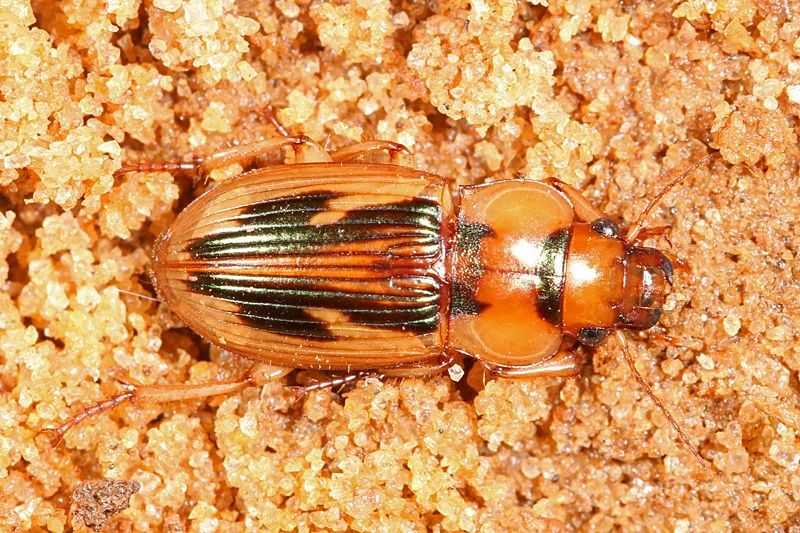
Tiger Beetles (Cicindelidae): Nature's Speed Demons and Fierce PredatorsTiger Beetles (Cicindelidae): Nature's Speed Demons and Fierce PredatorsTiger beetles, members of the family Cicindelidae, are renowned for their dazzling iridescence, aggressive predatory behavior, and unmatched speed—making them some of the most captivating insects in the animal kingdom. These beetles combine stunning aesthetics with remarkable adaptations, thriving in diverse habitats from sandy beaches to forest floors.
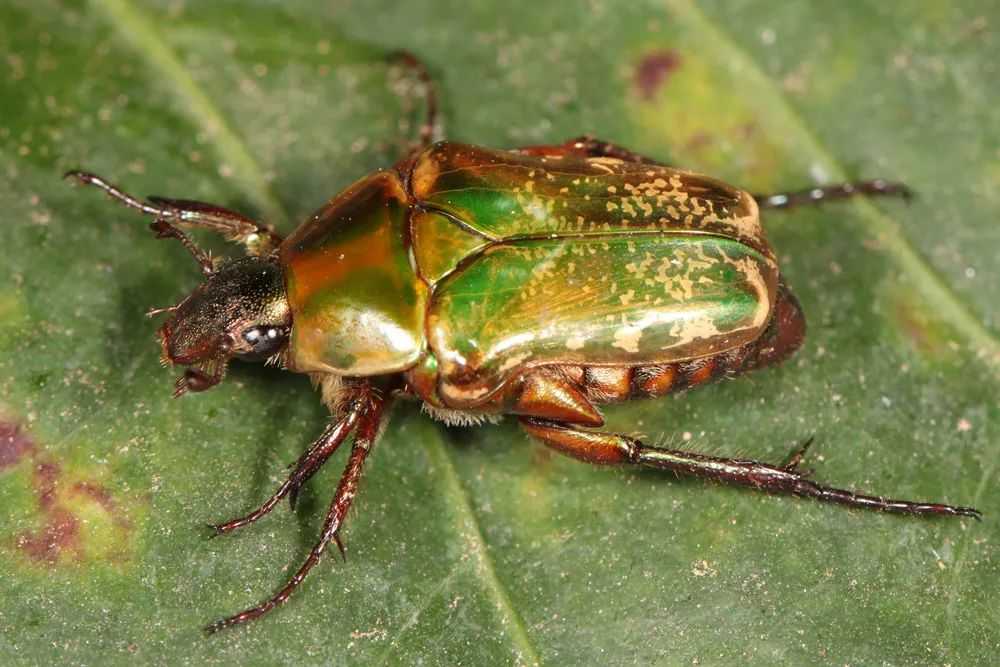
Scarab Beetles (Scarabaeidae): Jewels of the Insect WorldScarab Beetles (Scarabaeidae): Jewels of the Insect WorldScarab beetles, comprising the family Scarabaeidae, are a diverse group of coleopterans renowned for their often iridescent exoskeletons, distinctive morphology, and ecological significance. With over 30,000 species worldwide, they inhabit almost every terrestrial ecosystem, from deserts to rainforests.
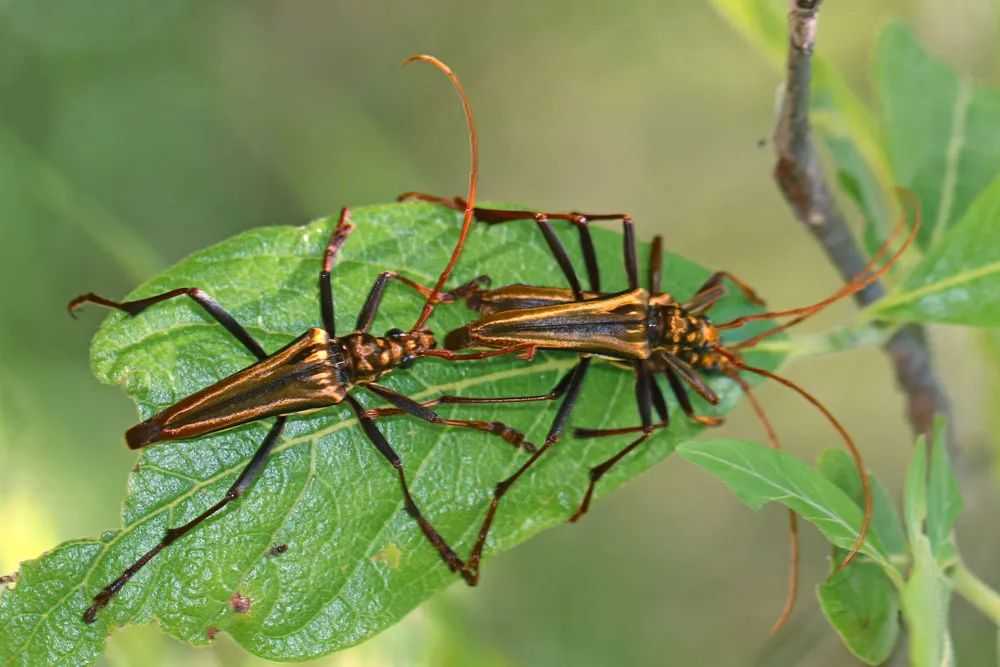
Longhorn Beetles: Elegant Forest Dwellers with a Dual ReputationLonghorn Beetles: Elegant Forest Dwellers with a Dual ReputationLonghorn beetles, belonging to the Cerambycidae family, are renowned for their striking appearance and elongated antennae, which often exceed the length of their bodies. With over 35,000 species worldwide, these insects are a common sight in forests and wooded areas, captivating onlookers with their intricate patterns and vibrant colors. Yet, beneath their aesthetic appeal lies a complex ecological role that marks them both as vital decomposers and significant agricultural pests.
Weevils: Tiny Architects of the Insect World with a Probing PassionWeevils: Tiny Architects of the Insect World with a Probing PassionWeevils, members of the Curculionidae family, stand out among beetles for their distinctive snout-like rostrum and compact, often armored bodies. With over 97,000 species worldwide, these insects have evolved to inhabit nearly every ecosystem, from tropical rainforests to urban pantries. Their unassuming appearance belies a remarkable ability to adapt, making them both ecological contributors and occasional nuisances to human activities.
Lepidoptera: The Winged Wonders Shaping Ecosystems and Cultural ImaginationLepidoptera: The Winged Wonders Shaping Ecosystems and Cultural ImaginationLepidoptera, an order encompassing butterflies and moths, enchants with its unparalleled diversity and ethereal beauty. With over 180,000 known species worldwide, these insects captivate through their intricately patterned wings, formed by countless overlapping scales. From the vibrant Monarch butterflies migrating across continents to the nocturnal moths camouflaged against tree bark, Lepidoptera's ecological and cultural significance is as vast as their wingspans.
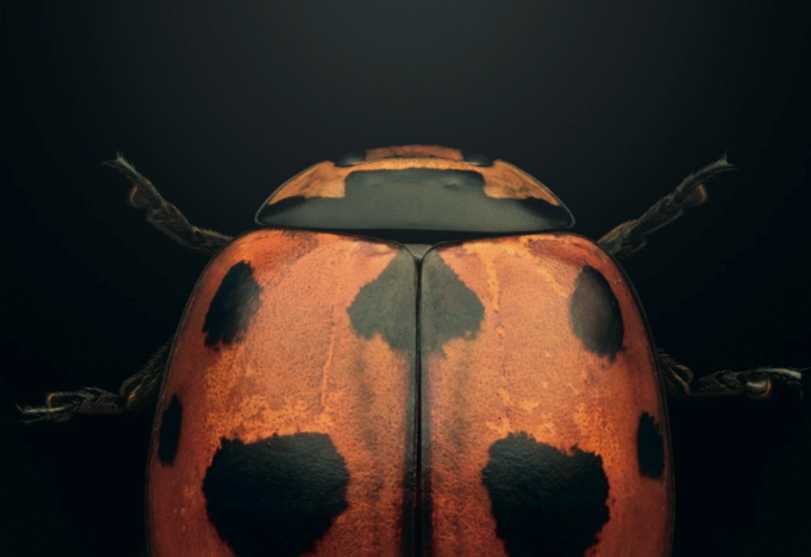
The Mysterious Disappearance of the Nine-Spotted LadybugThe Mysterious Disappearance of the Nine-Spotted LadybugThe nine-spotted ladybug, Coccinella novemnotata, once held a place of prominence across North America. In the United States, it was even designated as the official insect of New York State, symbolizing its significance. This species was once widespread throughout the US and Canada, playing a crucial role in the agricultural ecosystem. Famously, it was a voracious predator of aphids and other pest insects, acting as a natural form of pest control and helping farmers safeguard their crops without the heavy use of pesticides.