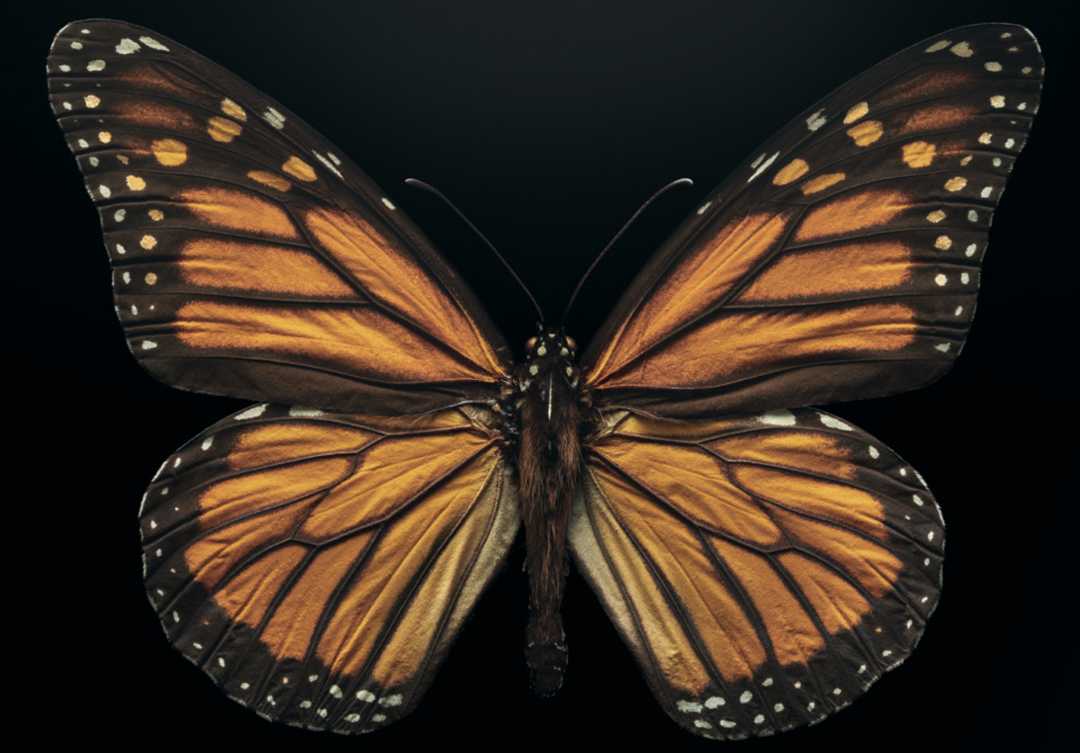
The Alarming Decline of Monarch Butterflies: A North American Icon at RiskThe Alarming Decline of Monarch Butterflies: A North American Icon at Risk
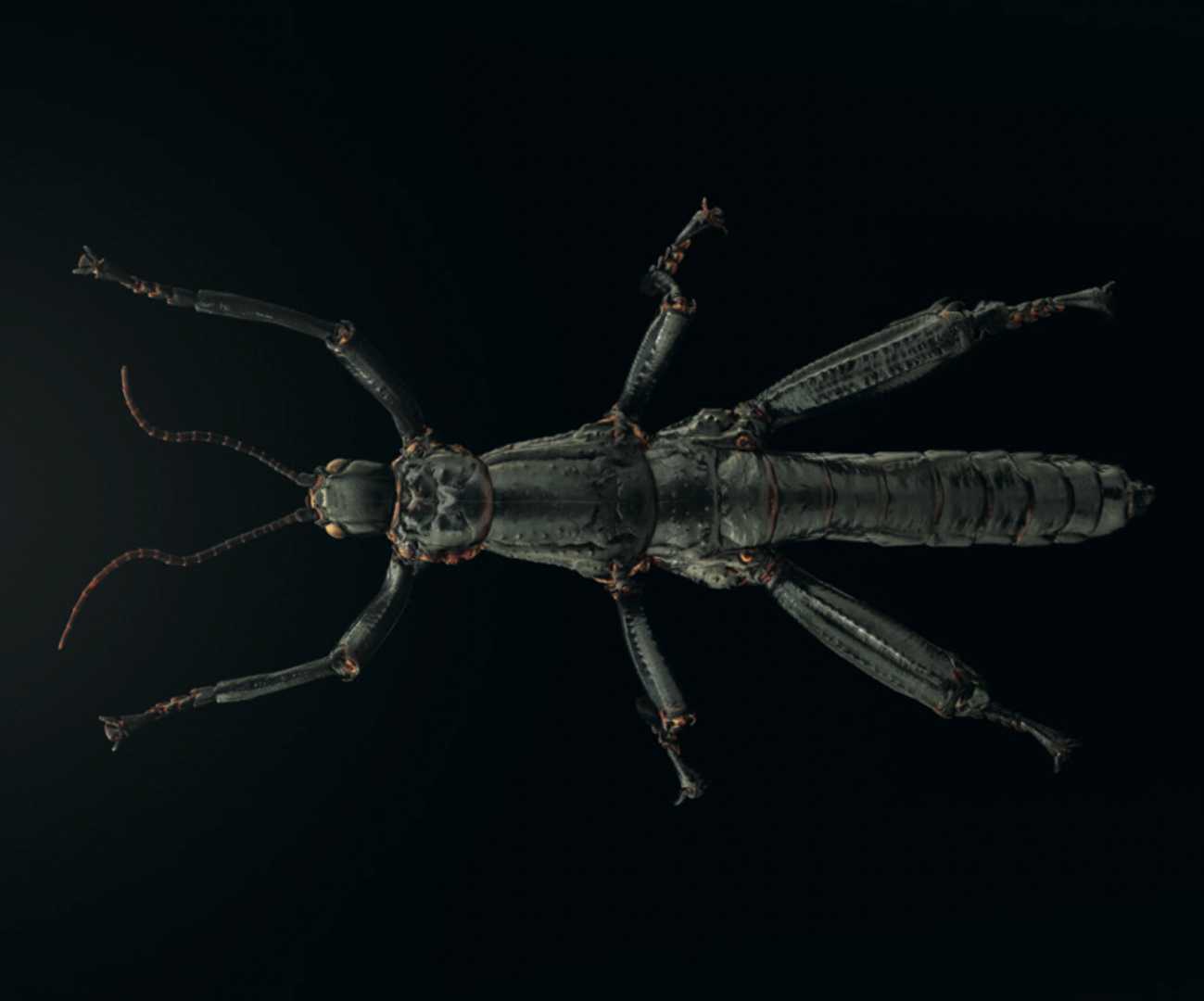
The Resilient Return of the Lord Howe Island Stick InsectThe Resilient Return of the Lord Howe Island Stick Insect
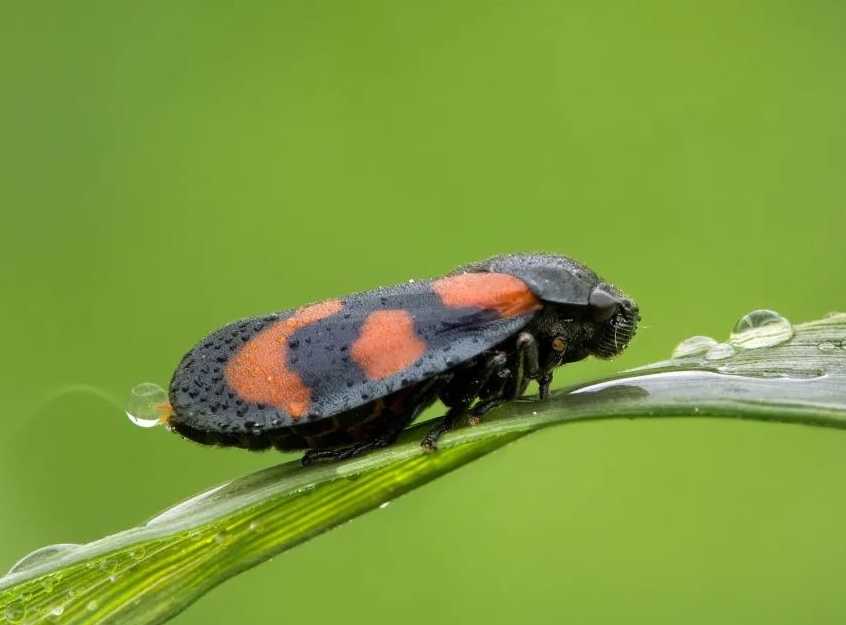
Spittlebugs: Nature's Mighty Jumpers and Foam - Nest BuildersSpittlebugs: Nature's Mighty Jumpers and Foam - Nest Builders
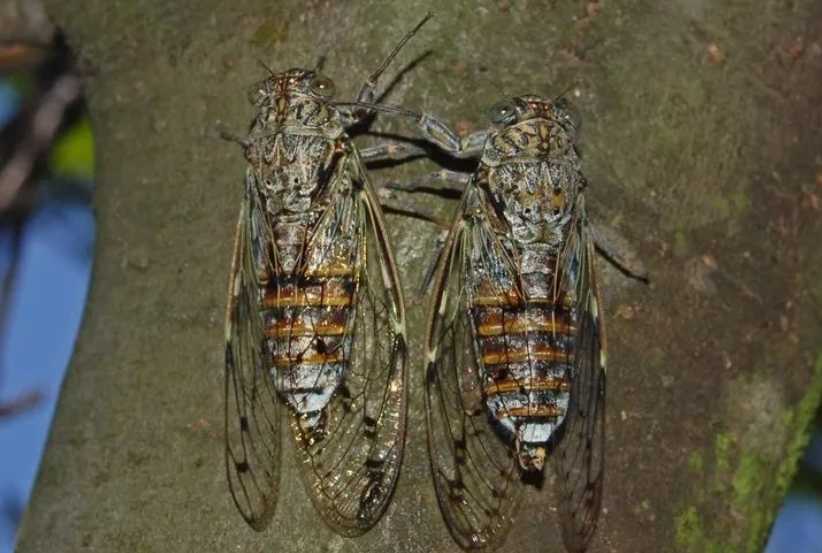
Cicadas: The Resonant Insects of Temperate to Tropical ClimesCicadas: The Resonant Insects of Temperate to Tropical ClimesCicadas, iconic insects inhabiting temperate to tropical regions worldwide, are renowned for their deafening calls—and often reviled for the noise that earns them a reputation as bothersome pests. These arthropods, belonging to the family Cicadidae, blend distinctive physical traits with a life cycle that spans years underground before their brief, noisy emergence.
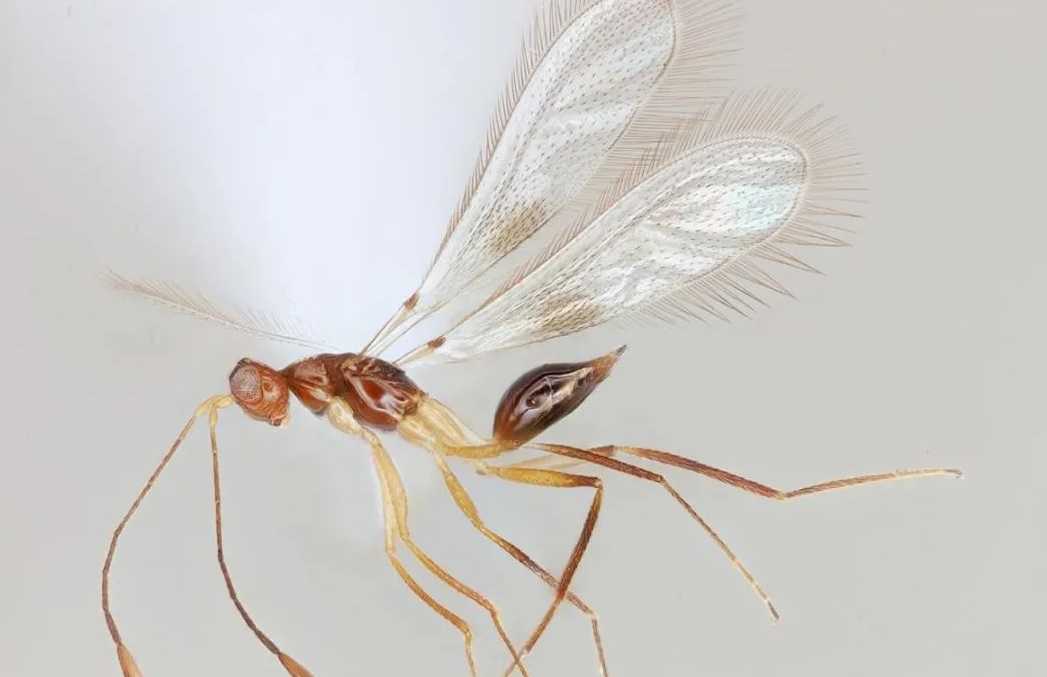
Fairyflies: The World's Tiniest Insects with a Mighty Role in Pest ControlFairyflies: The World's Tiniest Insects with a Mighty Role in Pest ControlFairyflies, belonging to the family Mymaridae, hold the title of some of the smallest insects on Earth, measuring a mere 0.2 millimeters in length. These minuscule flyers, smaller than the eye can easily perceive, have evolved an extraordinary lifestyle as parasitic wasps, specializing in a unique ecological niche that benefits both nature and agriculture.
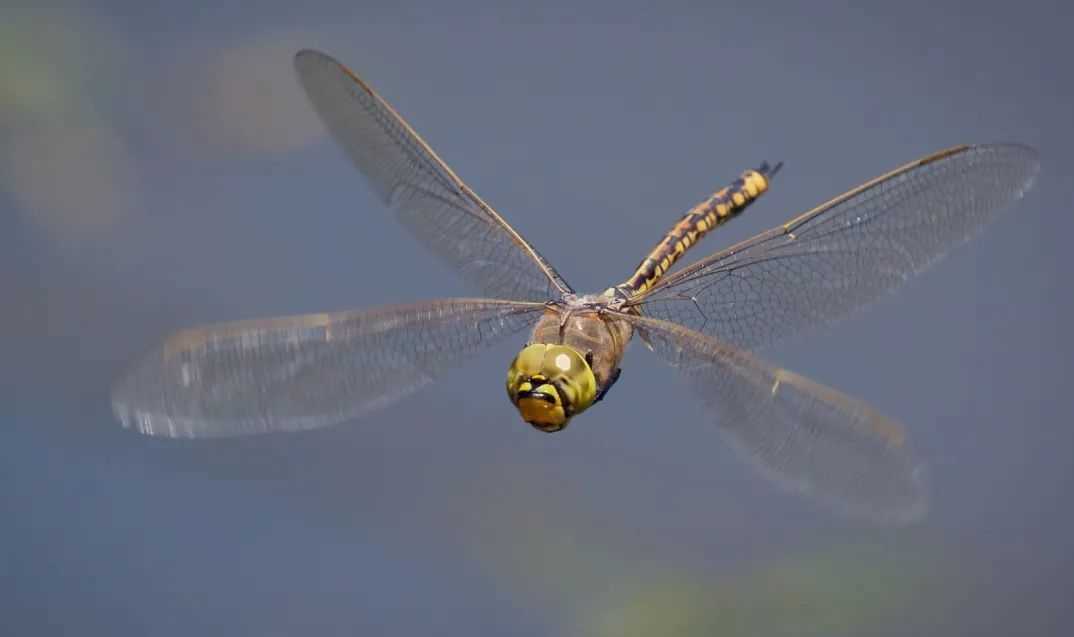
Australian Dragonfly: The Speedy Giant of the Insect WorldAustralian Dragonfly: The Speedy Giant of the Insect WorldThe Australian dragonfly (Austrophlebia costalis), renowned as one of the fastest insects on Earth, boasts a breathtaking short - distance sprint speed of up to 58 kilometers per hour. As the largest among the 5,000+ dragonfly species, this majestic insect stretches up to 12 centimeters in length, blending imposing size with unparalleled aerial agility.
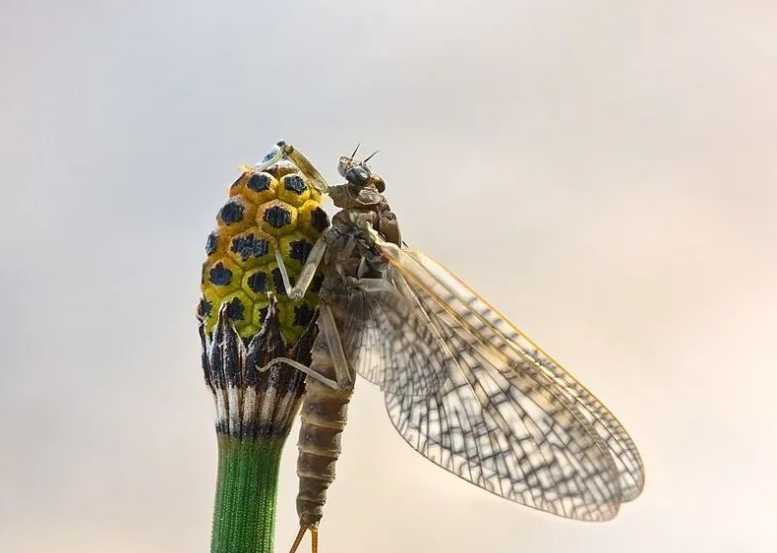
Mayflies: Nature's Ephemeral Wonders with a One - Day LegacyMayflies: Nature's Ephemeral Wonders with a One - Day LegacyMayflies, renowned as the insects with the shortest adult lifespan, live for just a single day, a fleeting existence that has captivated scientists and poets alike. These ancient winged creatures, belonging to the order Ephemeroptera, are among the most primitive flying insects, retaining evolutionary traits that hark back to prehistoric times.
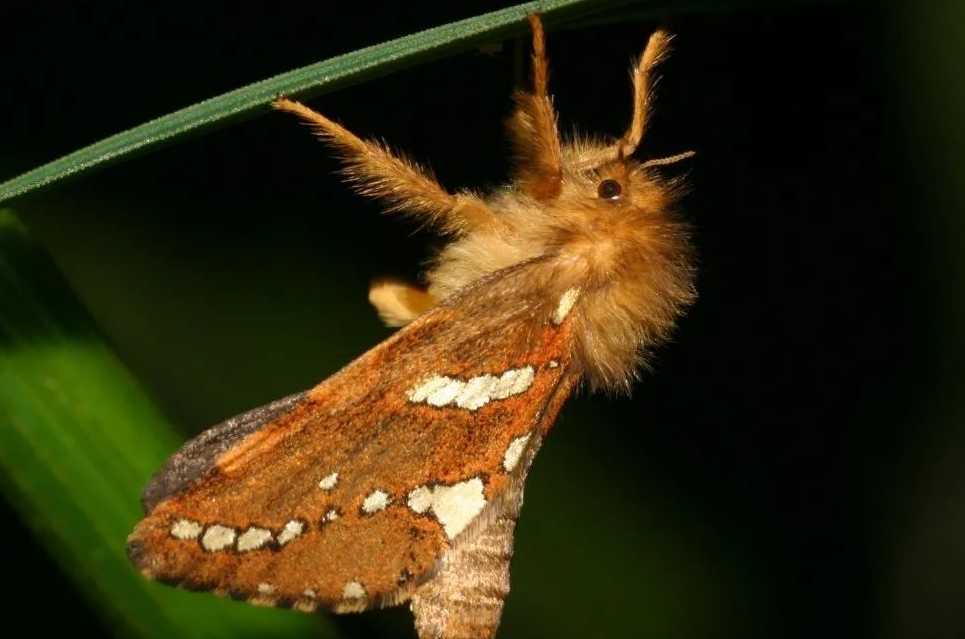
Bat Moths: A Diverse and Prolific Insect GroupBat Moths: A Diverse and Prolific Insect GroupBat moths belong to the genus Hepialus in the family Hepialidae. They are a group of insects with remarkable reproductive capabilities. A female bat moth can lay more than 2,900 eggs, which is quite prolific among insects.
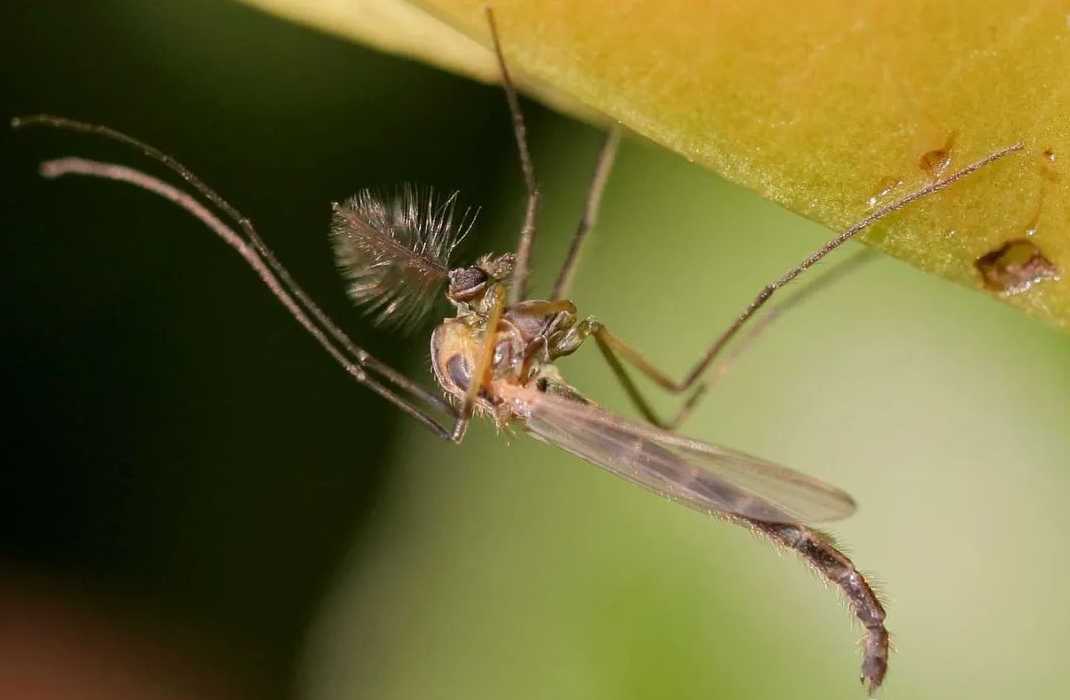
Chironomids: The High - Speed Wing Beaters of Aquatic EcosystemsChironomids: The High - Speed Wing Beaters of Aquatic EcosystemsChironomids, commonly known as non - biting midges, rank among nature’s most astonishing wing beaters, with estimates showing they can flap their wings up to 63,000 times per minute. This incredible frequency, almost too rapid for the human eye to track, highlights their unique adaptation to aquatic environments. Yet their physiological resilience is even more remarkable: when the wing tips are truncated and they’re placed in a warm environment of 99°F (约 37.2°C), their wing beats can surge to a staggering 130,000 times per minute, a testament to their muscular and neural efficiency.
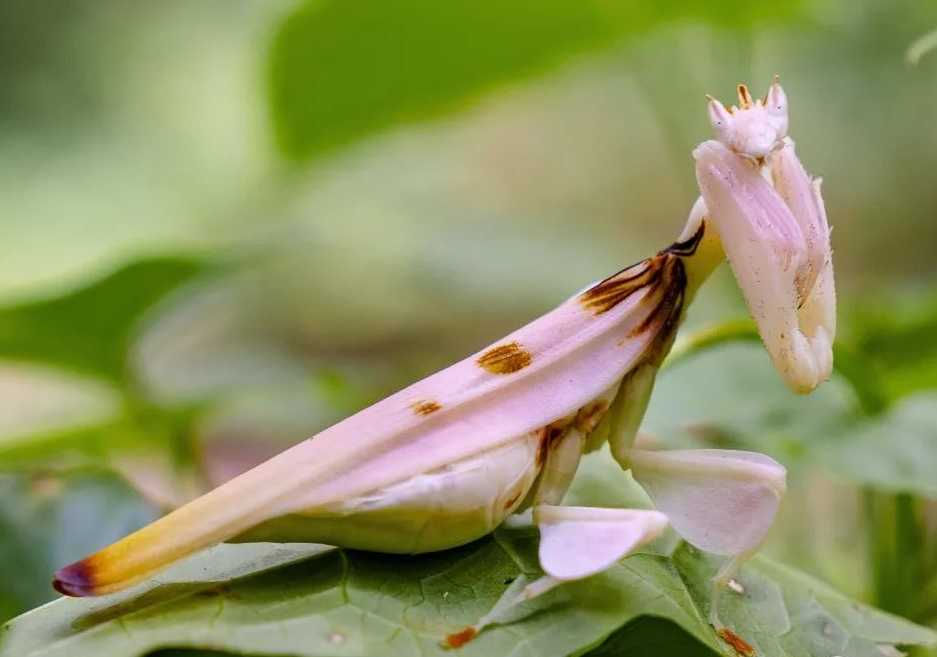
Orchid Mantis: Nature's Perfect Floral Mimic with Extreme Sexual DimorphismOrchid Mantis: Nature's Perfect Floral Mimic with Extreme Sexual DimorphismThe orchid mantis (Hymenopus coronatus) stands as a marvel of evolutionary adaptation, renowned for its uncanny ability to mimic orchids—an illusion so precise it deceives both prey and observers. This species exemplifies extreme sexual dimorphism, with adult females reaching 6–7 centimeters in length, while males measure a mere 2.5 centimeters. This size disparity is matched by striking differences in appearance, making them one of the most visually distinct insect species.
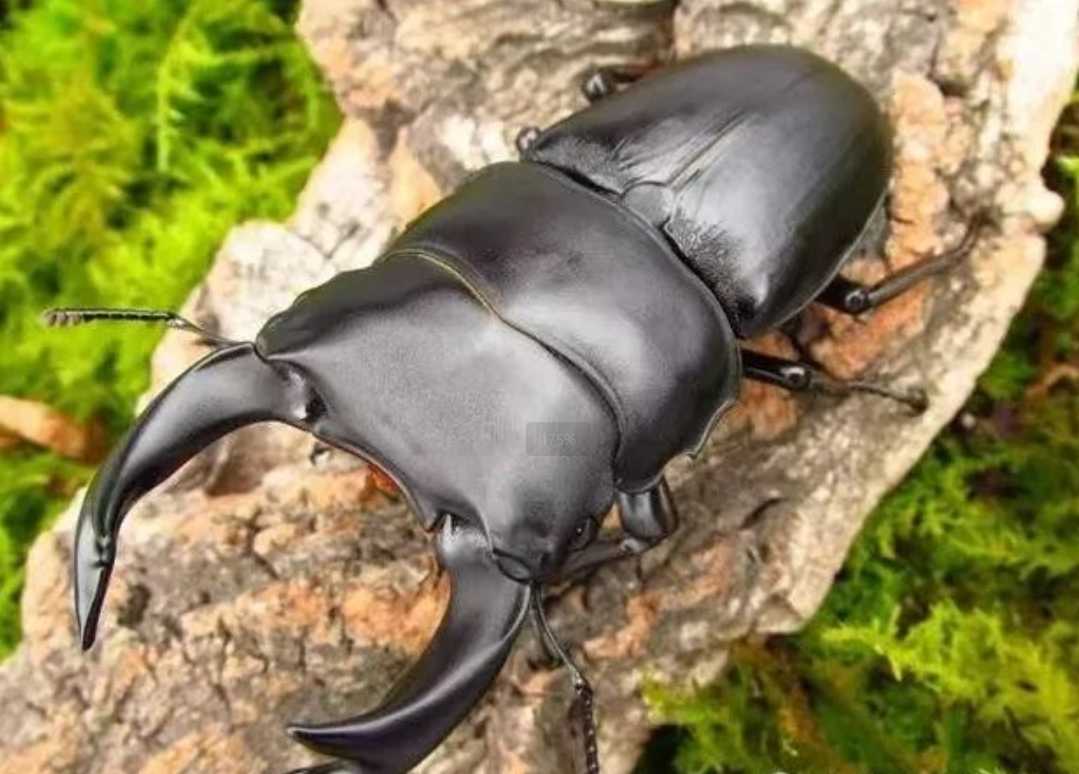
The Stag Beetle (Lucanidae): Nature's Antlered Warriors and Silent EngineersThe Stag Beetle (Lucanidae): Nature's Antlered Warriors and Silent EngineersStag beetles, members of the family Lucanidae, are iconic insects celebrated for their dramatic sexual dimorphism—nowhere more evident than in the antler-like mandibles of males, which can exceed body length in some species. With around 1,200 known species globally—50 of which are endemic to Taiwan—these beetles blend martial prowess with ecological utility, thriving in forest ecosystems where their larvae feed on decaying wood.
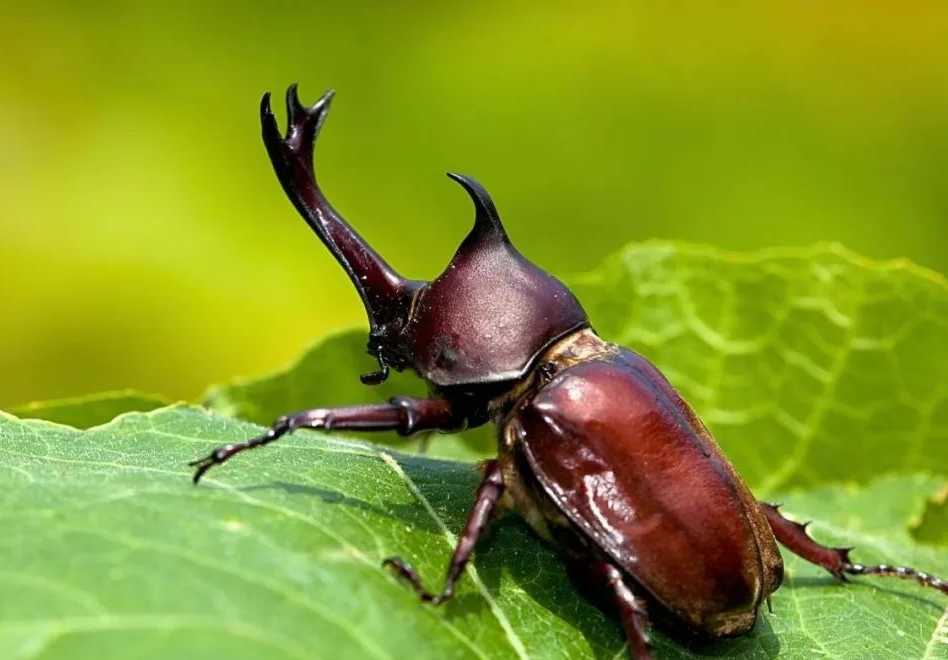
The Japanese Rhinoceros Beetle (Allomyrina dichotoma): A Horned Symbol of Strength and Nature's EngineerThe Japanese Rhinoceros Beetle (Allomyrina dichotoma): A Horned Symbol of Strength and Nature's EngineerThe Japanese rhinoceros beetle, scientifically known as Allomyrina dichotoma, is an iconic insect revered for its distinctive Y-shaped horn and deep cultural significance in Japan. Measuring 3–5 centimeters in length, this scarab beetle captivates with its robust build and unique morphology, while its larval stage plays a crucial role in forest ecosystems as a decomposer.
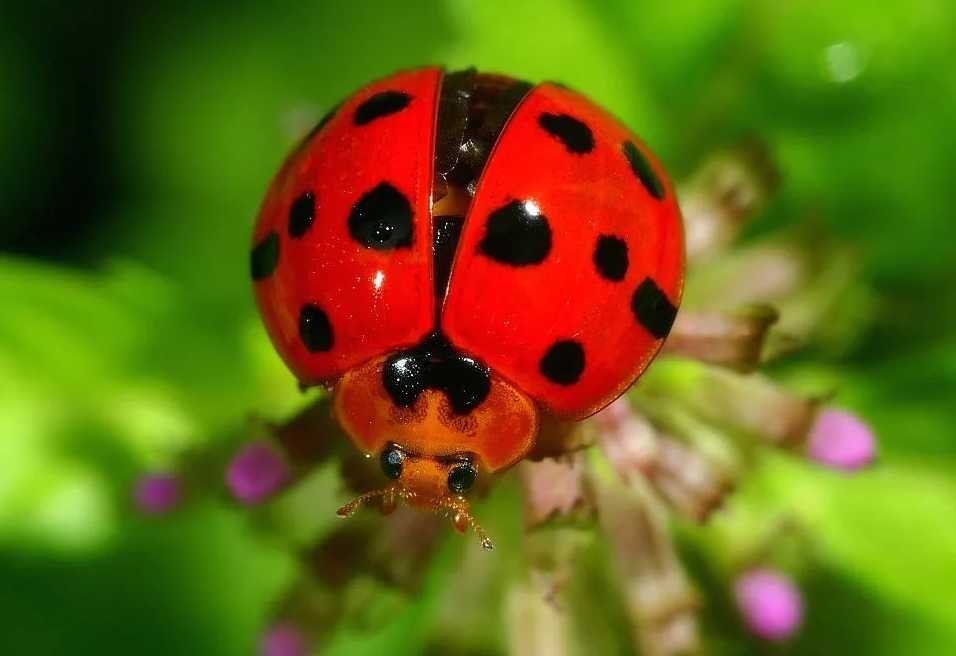
The Ladybug (Coccinellidae): Nature's Spotted Predator and Winter IntruderThe Ladybug (Coccinellidae): Nature's Spotted Predator and Winter IntruderLadybugs, members of the family Coccinellidae, are iconic insects recognized worldwide for their distinctive spotted exteriors. Typically adorned with red or yellow backs dotted in black, these beetles blend aesthetic appeal with remarkable ecological utility, serving as natural pest controllers in gardens and agricultural fields.
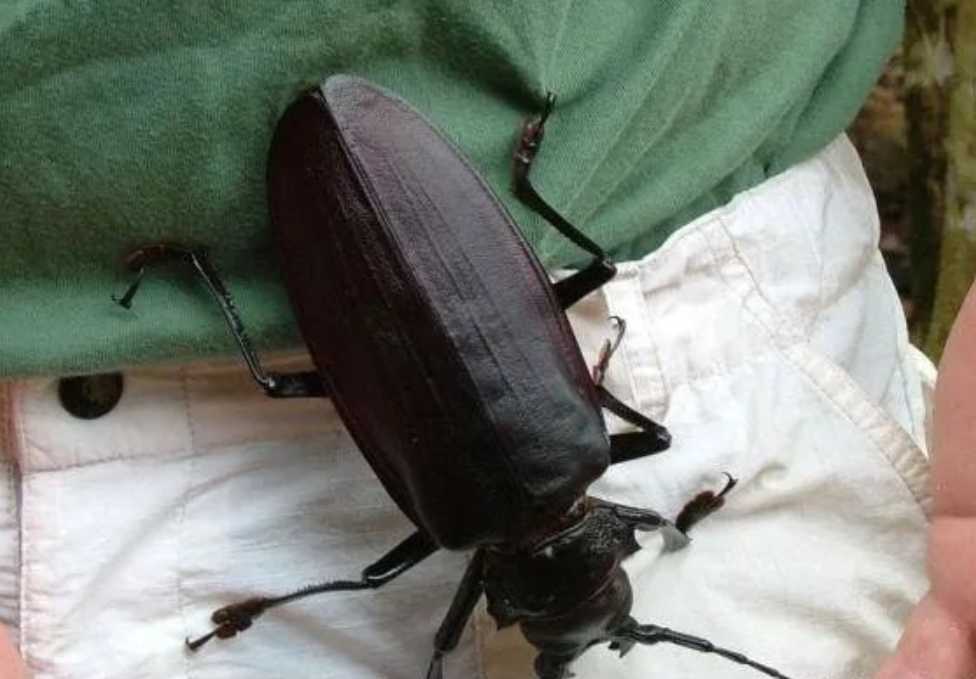
The Titan Beetle (Titanus giganteus): The Rainforest's Colossal Wood - CrusherThe Titan Beetle (Titanus giganteus): The Rainforest's Colossal Wood - CrusherThe Titan beetle, Titanus giganteus, stands as one of the largest beetles on Earth, commanding awe with its imposing size and formidable jaws. Native to the rainforests of South America, this insect can reach lengths of 16.5 centimeters, with antennae that extend even further, making it a true giant of the insect world.
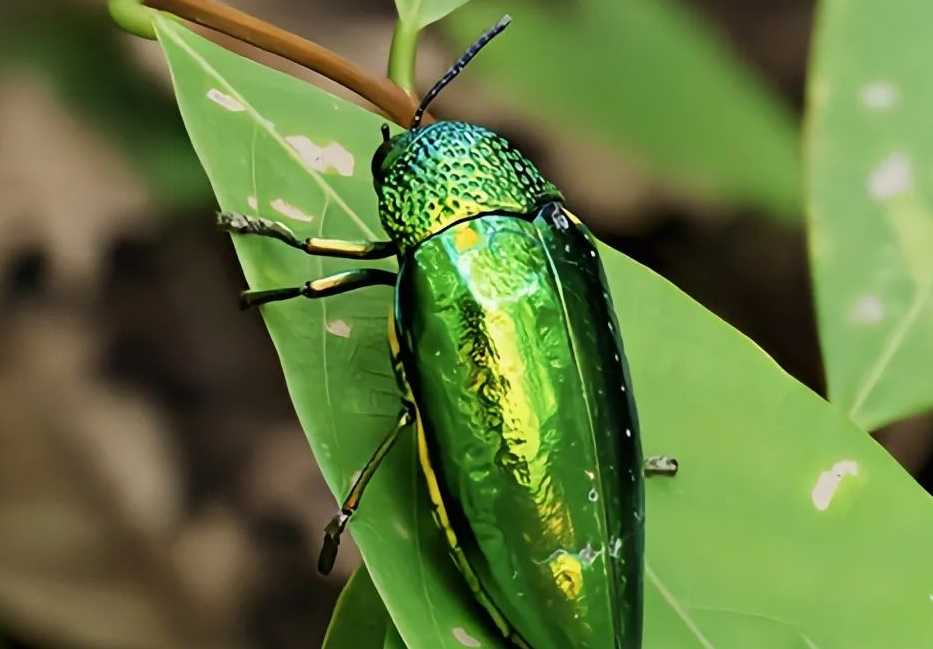
The Jewel Beetles (Buprestidae): Nature's Iridescent GemsThe Jewel Beetles (Buprestidae): Nature's Iridescent GemsJewel beetles, members of the family Buprestidae, are renowned for their exoskeletons that shimmer with metallic hues resembling emeralds, sapphires, and gold. This optical marvel arises from structural coloration—microscopic layers on their elytra that refract light, creating vibrant, fade - resistant iridescence. Found across Asia, Africa, and the Americas, these beetles have captivated humans for millennia with their gem - like appearance.
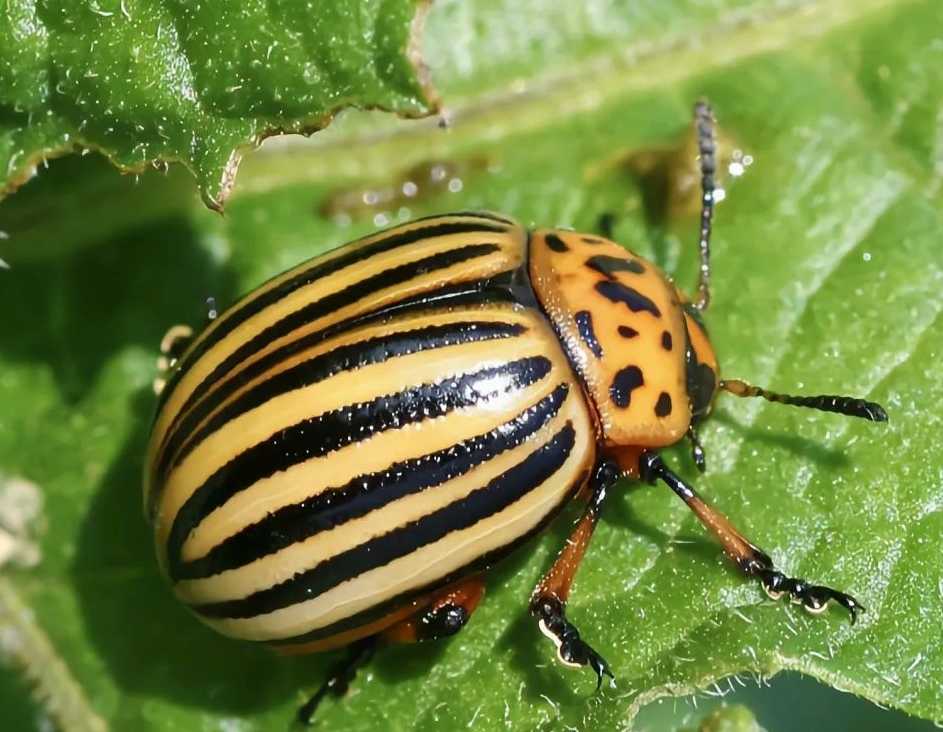
The Colorado Potato Beetle (Leptinotarsa decemlineata): A Persistent Agricultural MenaceThe Colorado Potato Beetle (Leptinotarsa decemlineata): A Persistent Agricultural MenaceThe Colorado potato beetle, scientifically known as Leptinotarsa decemlineata, is a notorious insect pest recognized by its distinctive yellow-orange elytra striped with ten black longitudinal lines. Native to North America, this beetle has earned global infamy for its voracious appetite for potato leaves and its remarkable ability to develop resistance to pesticides, making it a top quarantine target worldwide.
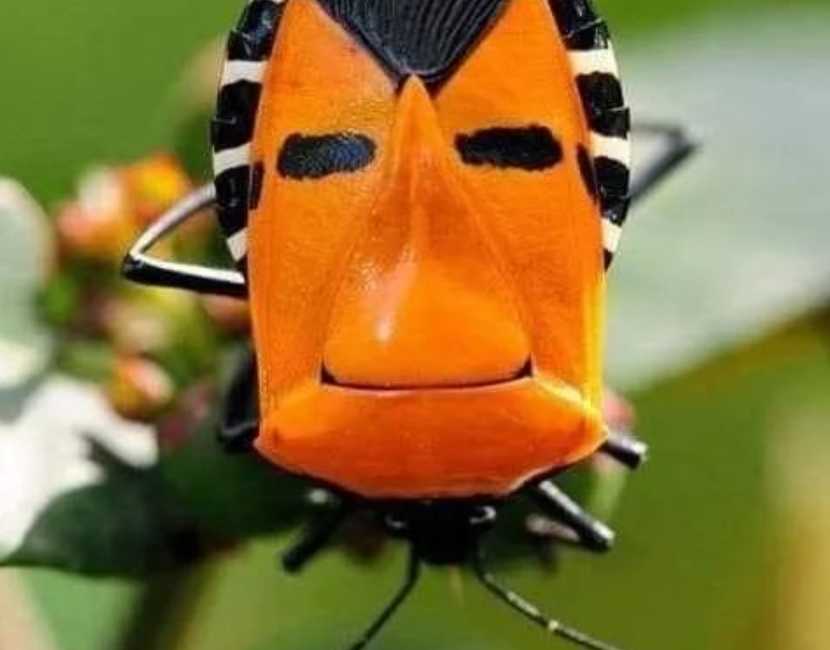
The Face Bug (Auchenorrhyncha: Proconiini): Nature's Cryptic Portraitists of Southeast AsiaThe Face Bug (Auchenorrhyncha: Proconiini): Nature's Cryptic Portraitists of Southeast AsiaThe face bug, a member of the Proconiini tribe in the hemipteran suborder Auchenorrhyncha, earns its name from a remarkable evolutionary trick: the dorsal surface of its thorax and abdomen resembles a human face, complete with "eyes," "noses," and even "mouths." Native to the tropical forests of Southeast Asia, these insects showcase nature’s most whimsical form of mimicry, with each individual sporting a unique facial pattern that defies repetition.
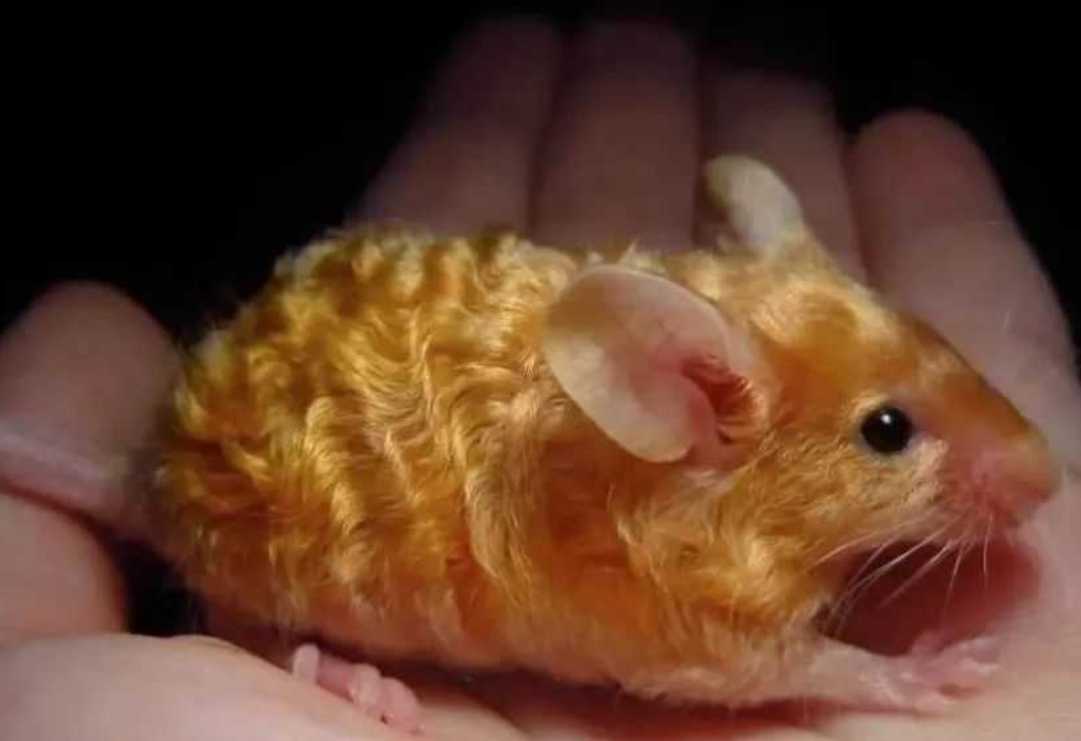
"Blonde" Big - Wave Rats: A Marvel of Genetic Modification"Blonde" Big - Wave Rats: A Marvel of Genetic ModificationIn a recent scientific breakthrough, researchers from MIT have successfully created "blonde" big - wave rats through genetic modification. This remarkable achievement builds on the work of nine different research groups from 1993 to 2015, each having identified genes related to hair changes in mice.
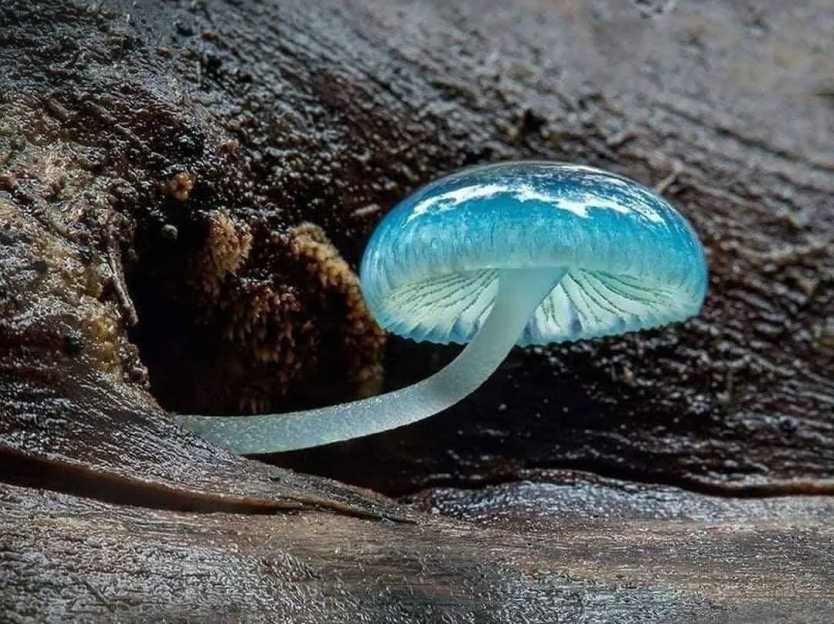
Crystal - clear Blue Mushrooms: A Captivating Natural WonderCrystal - clear Blue Mushrooms: A Captivating Natural WonderIn nature, there exists a kind of crystal - clear blue mushroom that never fails to draw people's attention. The scientific name of this mushroom is Mycena interrupta, and it also goes by the aliases of Fairy - blue Mushroom and Sky - blue Mushroom. It belongs to the large fungi of the genus Mycena in the family Mycenaceae of the order Agaricales.